
Sound Analysis.
Summary – With the stock ear pads, Phoenix has a warm-neutral meets fun sound signature with a complete bass lift of around 3dBs. It has good sub-bass extension down low, a bit more mid-bass than sub-bass, slightly fuller-north of neutral lower-midrange in the 250-500Hz, upper-midrange presentation which isn’t as forward as Harman target or the popular neutral headphone – Sennheiser HD6XX and a fairly neutral lower-treble and upper-treble presentation. Its sound signature changes slightly with Sivga’s high protein leather fenestrated upgrade ear pads and improves with good quality, low measuring Litz cables, all of which I’ve covered in the sound analysis below.
Bass – Phoenix’s bass is boosted slightly north of neutral by around 3dBs, which is musical and enjoyable without any bloat or boominess and gives Phoenix a fun character. Its mid-bass is slightly more present than sub-bass but because it has good low end extension without any perceivable roll-off, you not only hear the rumble but also feel it rumbling in songs that have good sub-bass like ‘Why so serious’ post the 3:25 mark from the Dark Knight soundtrack as well as Linkin Park’s ‘Sorry for now’. The ear cups part under your ears literally vibrate if you listen to these songs at above average listening levels, especially with the fenestrated ear pads on the Phoenix. This is quite impressive considering Phoenix is an open-back headphone and a lot of open-back headphone actually roll-off in sub-bass. Bass transients are quick but centre image precision is not the best as the bass spreads into left and right image and isn’t isolated to only the centre. This takes away from absolute neutral presentation but gives the sound signature a bit more fullness and punchy slam.
Midrange – Phoenix’s midrange comes off as rich, lush and coloured. Lower mid-range in the 250-500Hz is slightly north of neutral which adds some tasteful fatness to the signature. Upper-midrange isn’t as forward as Harman Target and sounds a bit recessed if you listen to Phoenix right after a more neutral-accurate headphone like HD6XX or Focal Elex. Reading this might give one the illusion that Phoenix is a boring warm listen but it is actually quite the opposite. Phoenix is tuned to be a more fun and musical headphone without obsessive focus towards neutrality and has good separation and clarity in the midrange that doesn’t throw off the tonality and timbre of instruments as much. It has pinna gain of around 8dB but its main peak focus is at 4kHz instead of the more accurate sounding 3kHz. 3kHz is where it has slightly less gain, which is mostly what takes it off the course of absolute neutrality. Nevertheless, Phoenix does make for a fun, musical and interesting listen with its rich, lush and slightly fuller sounding midrange.
Treble – Lower treble as well as upper-treble, unlike the bass and midrange, are tuned very neutrally. There is no sharpness, shrillness or sibilance and the overall treble character make for a very comfortable easy listen. Treble is definitely not dark and has good extension up top. It just isn’t extra sparkly or sizzly, which some headphone manufacturers tend to tune their headphones as for an extra special exciting character.
Soundstage, Separation and Imaging – Soundstage with the stock pads is on the average side for an open-back headphone but is wider than most closed back headphones in its price range. Phoenix has a better and bigger soundstage with the fenestrated pads and the extra separation that the fenestrated pads bring with them adds on to a better realisation of space, both width and depth wise. Imaging with stock ear pads is decent for the price but is better with the fenestrated ear pads because of better separation and a bigger soundstage. I can visualise the instruments more accurately with the fenestrated ear pads.

SIVGA’s high protein leather fenestrated ear pads (link).
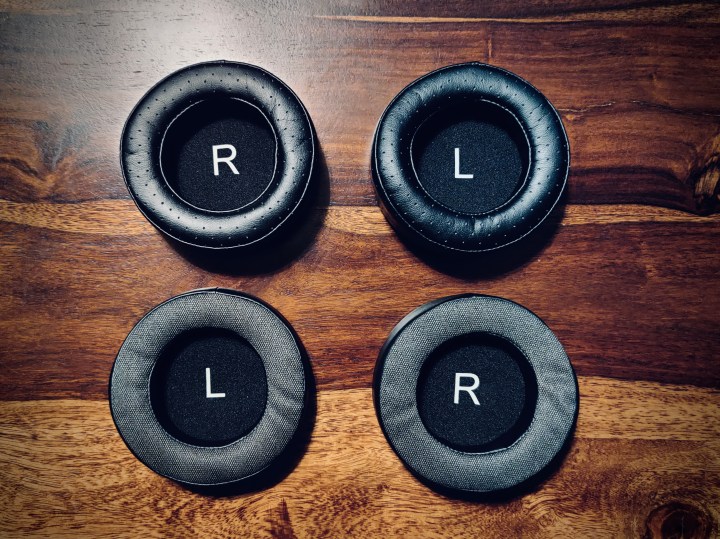
As I wrote earlier, Sivga’s fenestrated pads are way more comfortable than the stock pads as they engulf my ears completely and my ears don’t touch the driver assembly with them either. Sound wise, first couple things I noticed the fenestrated ear pads improving were the soundstage size (especially width), separation between instruments as well as separation in the left, right and centre imaging. Since the drivers are further away from the ears because of more foam depth and also placed further apart from each other, the hard left and right width was perceivably wider and the separation between instrument layers was also much better. Since these ear pads provide a better, more engulfing fit, they also increase bass slam and rumble slightly but without changing the rest of the signature much. Even though I’m a neutral head, I kinda enjoy Phoenix’s deeper bass slam with these fenestrated ear pads, making Phoenix my guilty pleasure headphone. I’d recommend buying and trying these fenestrated ear pads along with the Phoenix as they are fairly cheap at $15 and might make Phoenix fit even better and probably sound even more enjoyable for you.
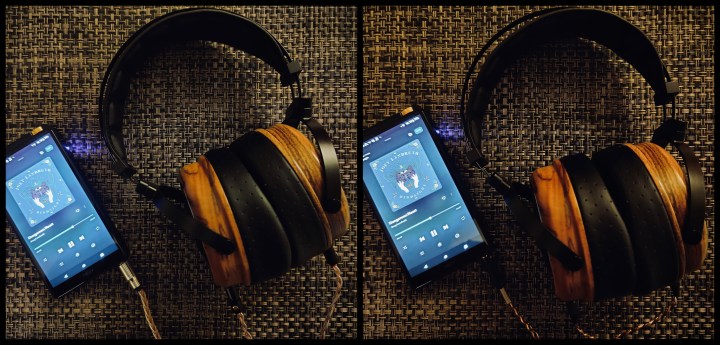
Sivga Phoenix plugged into my desktop setup feat. Drop x THX AAA 789 Linear Amp.
My desktop setup is more pro-audio-ish since I use the DROP x THX AAA 789 Linear Amp with my Universal Audio Apollo Twin Interface for my music production work. The DROP 789 Amp has a 4-pin balanced XLR output as well as 1/4″ and 3.5mm SE outputs. I generally use the balanced output with headphones, so my impressions are with Phoenix plugged into the 4-pin XLR output using Sivga’s own 4.4mm female to 4-pin XLR adapter and the Ego Audio Cocktail 4.4mm balanced cable.
Sound impressions – Phoenix plugged in the Apollo+780 Combo has cleaner transients, separation and slam in bass. I perceive better overall separation across the whole frequency spectrum and a slightly more open and airy soundstage. I also perceive a bit more resolution in the treble region and slightly better upper treble extension. I like Phoenix’s character most plugged into this combo, paired with Ego Audio Cocktail cable and with the fenestrated leather pads on.
Cable pairings.
Ego Audio Cocktail ($245) – I had my Ego Audio Cocktail cable modified with 2.5mm headphone connectors and a 4.4mm balanced jack to go along with the 2.5mm socket headphones I have. This one measures around 100mΩ which is very good for an 8 core cable. In my experience, Ego Audio cables are generally very clean sounding cables that don’t just promote the real character of the headphone but also push the details and resolution out nicely in the pairing. It pairs really well with warm sounding IEMs/headphones or when you wanna try getting more details and resolution out of your transducer. Comparing Cocktail to the stock cable, I perceive better bass impact and upper-end extension. Bass note attack is shaper and has better precision. Upper-treble resolution as well as separation between left and right imaging is perceivably better. Better separation is even more noticeable with the fenestrated ear pads on, which have better soundstage width and imaging over the stock ear pads.
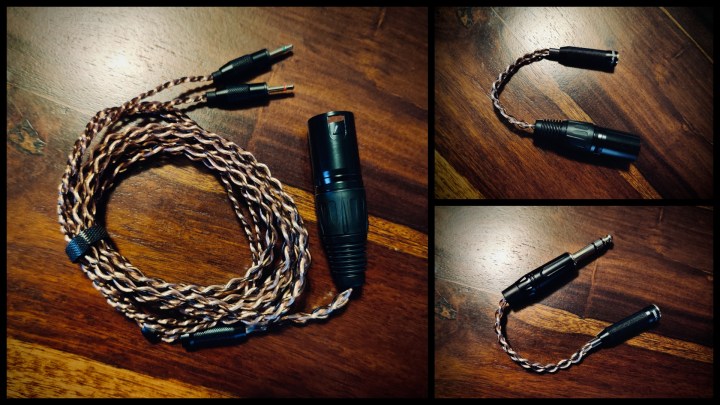
Sivga 4-core 6N Single Crystal Copper OCC ($100, link) – This one can be bought from Sivga directly. It measures around 230mΩ, which is fairly good for a 4-core cable. Comparing it to the stock cable, this cable again has slightly better clarity and resolution. Bass has slightly better precision and midrange sounds a bit cleaner. Overall, this is a good cable for $100 (even better if you can have them subtract the EU VAT charge) and is an easy buy from Sivga itself but I think Phoenix performs even better with Ego Audio’s Cocktail.
SIVGA offer this 4-core 6N Single Crystal Copper OCC cable with a 4.4mm, 4-pin XLR or 1/4″ jack as an option. They have different adapters to purchase separately aftermarket too. They are all hand built in their own factory and are all built to order as per your requirement.
Comparisons.
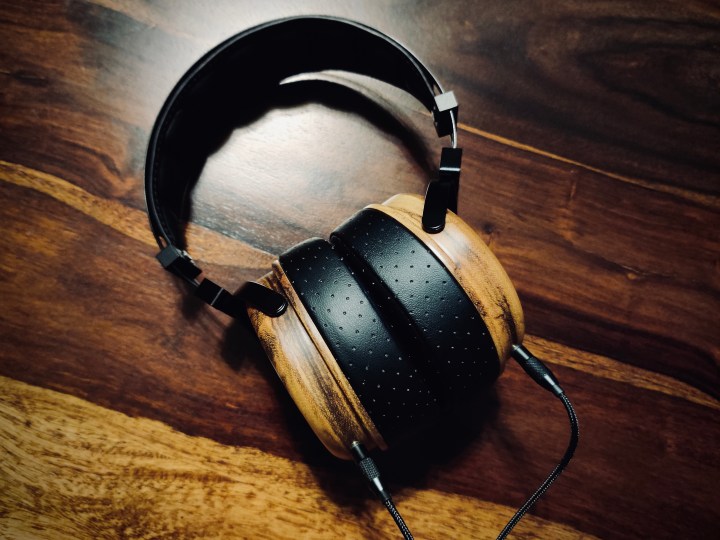
Sennheiser HD6XX – Phoenix looks better built with Zebra wood cups, stainless steel headband and aluminium alloy yoke whereas HD6XX is mostly plastic with a bit of metal here and there. HD6XX ear pads engulf the ears better since they are bigger and oval sized whereas Phoenix’s are slightly smaller and circular. HD6XX has more clamp force compared to Phoenix and can come off as tight until you loosen them a little by bending the headband adjuster. Phoenix’s fit is more comfortable otherwise with the fenestrated ear pads. Sound wise, they have different tuning ideologies. HD6XX is the more neutral and accurate sounding headphone whereas Phoenix’s signature is a fun, warm and coloured take on a neutral signature. Phoenix has better low end extension and rumble, where HD6XX actually rolls-off below 40Hz. Phoenix’s lower-midrange is slightly fuller sounding compared to HD6XX, which is more neutral. HD6XX has more accurate pinna gain in the upper-midrange and better tonality and timbre of instruments as a result. Phoenix has slightly more present lower-treble but HD6XX has a bit more present upper-treble with a prominent peak at 15kHz. Phoenix has better imaging and soundstage whereas HD6XX has slightly better technicalities, especially resolution and clarity.
Ollo Audio S4X – This isn’t a fair comparison considering S4X is much more expensive at €399(~$475) but this is the only other open-back dynamic driver headphone I have under $500. The rest are either planars or even more expensive open-back DDs. Anyway, this did make for an interesting comparison for me personally. Even though S4X too has a boutique design, Phoenix has much better fit and finish. Both have 2.5mm headphone sockets. Fit wise, S4X is midway between over-ear and on-ear but comfortable regardless. Phoenix with the fenestrated ear pads engulfs the ears better and fits more comfortably. Sound wise, S4X is tuned to be a reference neutral headphone. Phoenix has more bass quantity, slam and rumble whereas S4X is more neutral and reproduces the track more accurately. S4X also has better bass precision and imaging. Phoenix has slightly fuller lower midrange whereas S4X has a very linear lower-midrange presentation and a tonally accurate forward upper-midrange presentation. As a result, tonality and timbre of instruments is more accurate in S4X but Phoenix is no slouch and has very good clarity, instrument definition and resolution in the midrange regardless. S4X has better and more natural lower treble character and presence but both are similar in upper-treble presentation. S4X has a very slightly more open soundstage but Phoenix has similar width with the fenestrated ear pads.
Conclusion.
Phoenix is the second headphone from Sivga I’ve had the pleasure of testing and reviewing, with P-II being the first. Like the P-II, Phoenix too has a nice boutique design, good build quality and good selection of materials for construction of the headphone. It has a nice, warm and fun sound signature which doesn’t compromise on clarity or resolution. It has good fun bass slam and rumble, rich and slightly fuller sounding lower-midrange and a comfortable, neutral sounding treble response. It has even better bass slam, separation, clarity and imaging with the fenestrated ear pads, which are dirt cheap at $15 considering the prices other headphone manufacturers sell their upgrade or replacement pads at. Phoenix is for people who like and want a fun, exciting and musical headphone and not really a neutral-reference headphone because HD6XX and HD560S do the latter much better at an even cheaper price point. But if you’ve been missing the bass slam and rumble in your open-back headphones and would like a highly attractive cute little open-back headphone that fits in your laptop bag easily, give Phoenix a shot!
Just a heads up, Phoenix is priced at $255 but Sivga’s AliExpress store displays a higher price (around $309) because of it being inclusive of VAT for EU countries. AliExpress only allows fixed pricing and not dynamic pricing per country. So, if you’re interested in ordering, I’d recommend messaging and asking Sivga where you can score the best deal since they have a growing network of dealers and one might just be in your own country.
Gear used for testing and review.
- DAPs – Hiby R6 2020 | iBasso DX160
- Desktop – Universal Audio Apollo Twin -> Drop THX AAA 789 Amp
- Laptop – Apple Macbook Pro 15″
- Phone – OnePlus 7 Pro
Reference Songs list.
- Foo Fighters – The Pretender, Best of you, Everlong & Sonic Highway album
- Coldplay – Paradise, Up in flames & Everglow + Everyday Life Album
- Biffy Clyro – A Celebration of Endings & Ellipsis albums
- Ed Sheeran – Thinking out loud, Bloodstream & Galway Girl
- Dave Matthews Band – Come Tomorrow album
- Dua Lipa – Future Nostalgia album
- Chainsmokers – Somebody, Sickboy, This Feeling & Closer
- John Mayer – Slow dancing in a burning room, Stop this Train, Say & A Face to Call Home
- Gavin James – Always & Hearts on fire
- Switchfoot – Meant to live & Dare you to move
- Porcupine Tree – Sound of Muzak, Blackest Eyes & .3
- Our Lady Peace – Do You Like It & Innocent
- Linkin Park – Papercut, Somewhere I belong & Talking to myself
- Maroon 5 – She will be loved, Payphone & Lost stars
- Lifehouse – All in all & Come back down
- Breaking Benjamin – Diary of Jane
- Karnivool – Simple boy & Goliath
- Dead Letter Circus – Real you
- I Am Giant – Purple heart, City limits & Transmission
- Muse – Panic station
- James Bay – Hold back the river

 Twister6 Reviews
2 thoughts on “Sivga Phoenix”