
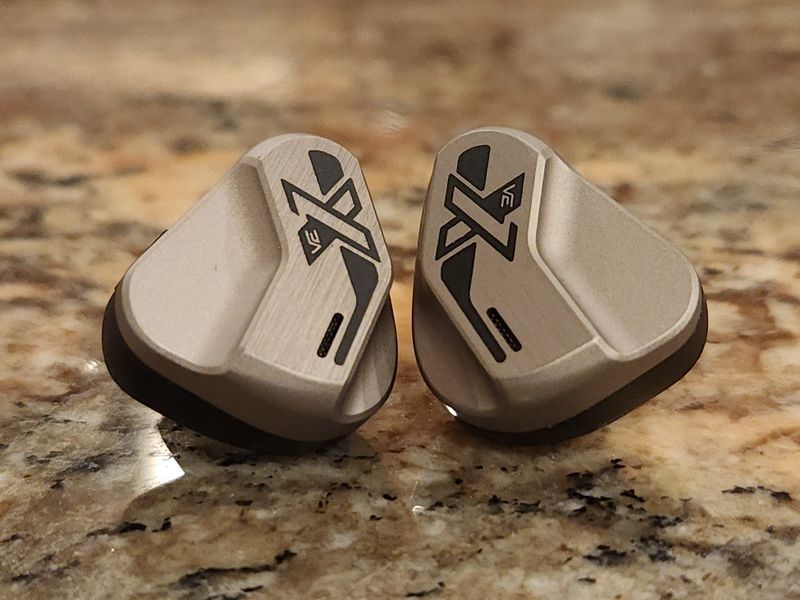
Comparison.
The comparison was done using VE10 with a stock cable, stock Azla eartips, and LPGT source; volume matched in every comparison.
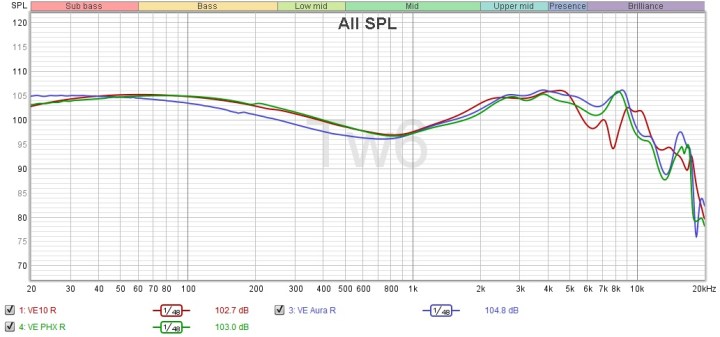
VE10 vs VE PHX – Starting with a soundstage, I hear VE10 having a little bit more width while PHX has a bit more depth. Another noticeable difference is PHX having a more revealing treble in comparison to VE10. When it comes to mids, these two are nearly identical in tuning, though extra sparkle in PHX treble gives its mids a higher resolution while VE10 mids have more organic tonality. But what really stood out for me in this comparison was the bass. Ironically, when you look at FR measurements, these two have nearly the same bass response with more emphasis on mid-bass, yet in reality it sounds quite different. DD driver of VE10 transforms the bass with more texture, more speed, more punch, more weight, and improvement in articulation. I don’t have PHX LE with me anymore, only had it for a brief review auditioning. By memory, LE edition of PHX had similar mids/treble while bass was scaled done, thus all the same comparison is applicable to PHX LE, plus a more scaled down bass.
VE10 vs VE EXT – Before starting the sound comparison, the first thing you notice is EXT requiring a lot more power to match the volume with VE10. With soundstage, while both bring you closer to the performer (less depth in soundstage expansion), EXT is wider with a sound spreading more to the left/right. Their sound tuning varies quite a lot as well. EXT has a more fun tuning with a deeper and more elevated sub-bass, leaner and more revealing, slightly pulled back mids, and crisper treble with airier extension. In comparison, VE10 bass has a more linear tuning between sub- and mid-bass, having a less aggressive rumble. VE10 mids have a fuller body and a more organic tonality, and its treble has a more natural resolution with less airiness. It’s quite a complementary tuning.
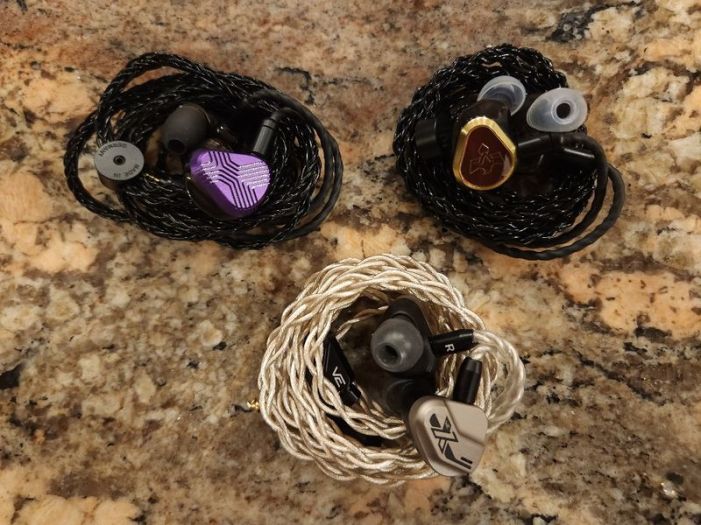
VE10 vs VE/A&K AURA – This one I have to do by memory since I was only able to borrow Aura for a short auditioning period last year. I do recall Aura having a slightly wider soundstage, but only by memory. In terms of bass tuning, Aura has a more elevated sub-bass rumble while VE10 packs more weight and texture in its overall bass presentation. Aura also had leaner lower mids, while VE10 has a noticeably fuller body lower mids and more organic tuning of mids/vocals. And just like in PHX comparison, Aura has a more elevated mid-treble with more air and sparkle, while VE10 treble is smoother and has more emphasis in lower treble adding clarity to upper mids.
VE10 vs UM Mentor Multiverse – Another complementary tuning worth a discussion since I had people asking me about it. MM soundstage is more holographic, especially due to an expanded depth which brings the sound more out of your head in comparison to a more intimate soundstage expansion of VE10. Bass difference is quite noticeable here as well with VE10 DD driver having a stronger mid-bass punch that has a more elevated impact. The difference continues into lower mids with MM having a leaner one while VE10 having a fuller body lower mids. VE10 also has more forward upper mids, which, along with a fuller body, sounds more organic in comparison to more revealing mids of MM. Treble is also more elevated in MM, while VE10 is smoother and more laidback. Also, by memory (and with notes and measurements), Amber Pearl which I consider to be an upgraded version of MM, has more elevated sub-bass and mid-bass which on some level matches VE10 quantity, though VE10 still has more DD texture in bass.
VE10 vs Oriolus Traillii – Traillii’s soundstage expands wider/deeper with a more holographic imaging while VE10 has a more intimate soundstage expansion, though imaging is as holographic. When it comes to the bass, the weight and the extension are actually not too far off, but the punch and the texture of DD bass in VE10 is on a different level. They both have a fuller body lower mids and more forward natural detailed upper mids, but VE10 mids tuning is still more organic and sounds more natural while Traillii upper mids do sound more revealing in comparison. The treble is where I hear probably the biggest difference with Traillii being brighter and crisper while VE10 is smoother and more relaxed. For those who want more low end texture and more organic detailed tuning, VE10 would be a better choice, while Traillii will give you a more natural revealing tonality.
VE10 vs FirAudio RN6 – Another comparison I was asked about. RN6 projects the sound more out of your head, so when it comes to a soundstage you will feel closer (front row) to the artists with VE10 while farther away with RN6. As many would expect, even with black atom module, RN6 bass is scaled up higher, especially more elevated in sub-bass region. Both have fuller body lower mids, giving the sound more organic tonality, but their upper mids presentation is a bit different. RN6 pinna gain is between 3k-5kHz while VE10 is more forward between 2k-5kHz. The lower treble area around 5kHz helps with retrieval of details in both IEMs, but starting the gain around 2kHz gives VE10 vocals more clarity with slightly better definition, especially since VE10 has less bass bloat in comparison to RN6. Treble in RN6 has more sparkle and air. But overall, the main difference here is in more elevated bass of RN6 and more clarity and higher resolution of mids/vocals in VE10.
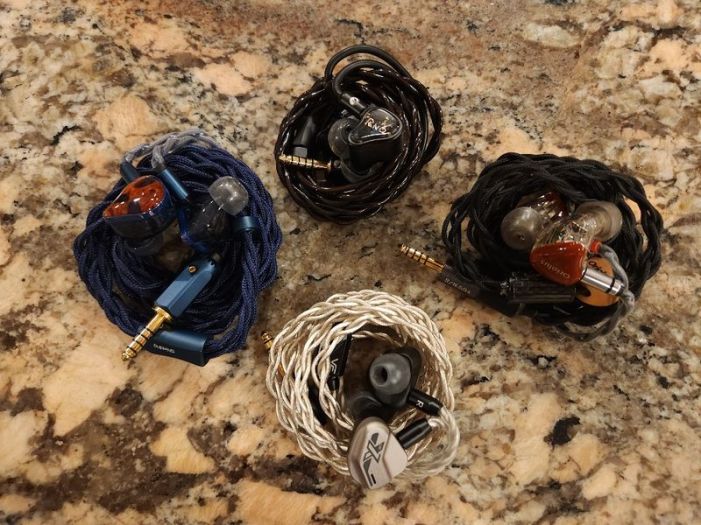
Source Pair up.
In each source pair-up I was using a stock cable and stock eartips. VE10 IEMs are higher sensitivity (118.6dB), and I had to lower the volume with every source I tried by about 8-10 clicks relative to other average-sensitivity IEMs. Also, I found source matching to be very critical here. VE10 impedance of 8.4ohm is easily manageable, and all my portable sources have low output impedance as well, but some of these pair ups had a noticeable effect on the sound tuning of VE10, especially in upper frequencies. Here are my brief listening notes, focusing on changes related to a sound sig and a general tonality without going into too many intimate details.
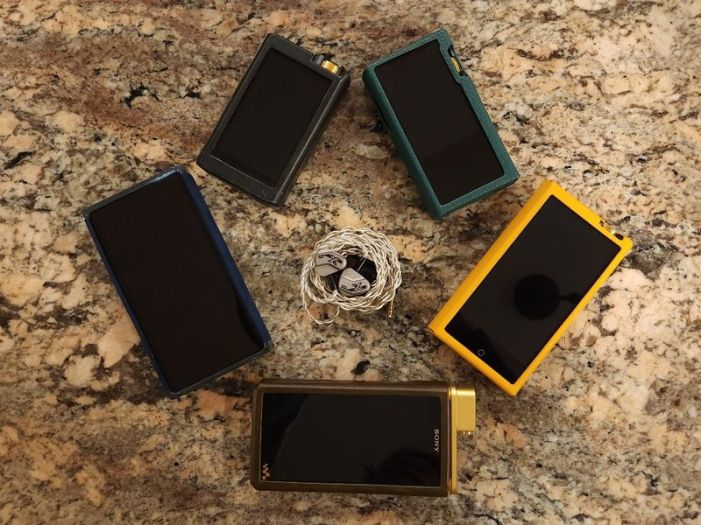
w/DAPs:
Lotoo LPGT (baseline) – a balanced sound signature with a fuller body natural detailed tonality. The soundstage has more width than depth, yielding a more intimate presentation of the sound. This is my baseline sound reference as I described it in Sound Analysis section.
Hiby RS8 – soundstage expansion is similar, but I found mids/vocals to sound a bit wider. Mid-bass has more tactile punch and upper mids are a bit more revealing. With a more elevated mid-bass and a more revealing upper mids I hear lower mids to be a bit leaner.
Hiby R8ii – very similar soundstage expansion. Sub-bass rumble has a little more weight and lower treble peak is a bit more accentuated, giving treble more crunch.
iBasso DX320Max Ti – now, here we hear a much bigger transformation. The soundstage is wider and deeper and imaging is more holographic. But the sound signature has changed, becoming V-shaped due to scaled up bass and upper mids/lower treble. Both sub-bass rumble and mid-bass punch really scale up in quantity. And the same, the upper mids and lower treble become more revealing, gaining more crunch and even more airiness. As a result, the sound becomes more revealing, a bit more sterile, less organic. I dare to say, VE10 sounds more analytical now.
Shanling M9 – the soundstage is similar, but tonality changes are more in line with DX320Max where I hear bass scaling up in quantity, both sub- and mid-bass, and the same with a treble being brighter and crunchy. But unlike DX320 Max, lower mids still maintaining their body so the sound is not as analytical.
Cayin N8ii (Tube, Class AB) – very similar to LPGT, having balanced sound sig with a fuller body natural detailed tonality, except it is more revealing up top. Upper mids are a little brighter. The sound is still very natural, but a bit less organic in comparison to LPGT.
Cayin N7 – the soundstage and the tonality are very similar to “baseline”, though I do hear a little more depth in soundstage expansion. But the sound sig is still balanced, and I hear a fuller body natural detailed tonality, maybe a touch more revealing.
Sony WM1ZM2 – the same soundstage expansion with a more intimate sound presentation, maybe with just a touch more depth. The sound sig is the same as baseline, balanced, and the tonality still has a fuller body with natural retrieval of details. The only additional thing here is a bit more elevated and faster mid-bass punch.
L&P P6 Pro – the sound sig is still balanced, and the tonality still has a fuller body with natural retrieval of details. The only difference I hear here is the soundstage width which spreads a little wider left/right. But the rest is similar.
w/usb-dac dongles connected to S22:
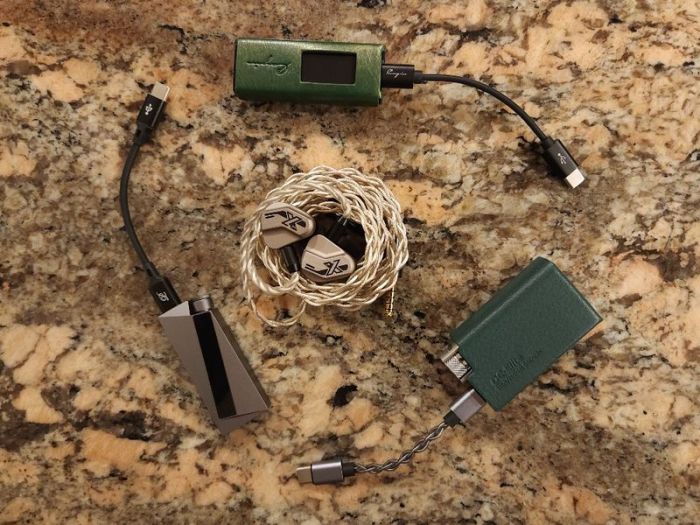
iBasso DC Elite – the soundstage width is the same, but I hear more depth, with the soundstage becoming more rounded instead of “oval” shaped. The sound sig is very balanced and while the sound is still natural and has a fuller body, it is faster, punchier, and slightly more revealing. The difference here is in bass and how precise and tactile it sounds with faster attack and shorter decay. Very good pair up synergy.
L&P W4 – this pair up sounds nearly identical to my “baseline” LPGT sound evaluation. Everything from a more oval-shaped intimate soundstage expansion to a balanced organic tuning of the sound.
Cayin RU7 – in this pair up I hear the soundstage to be a bit wider. The sound sig is still balanced, and the tonality is natural and detailed, but there is a bit more punch in mid-bass and a little more crunch in treble.
Conclusion.
While enjoying my time with VE10, I was still thinking if this IEM belongs in VE Line or VE Premium Line. I’m quite familiar with the latter one and tested everything from Erlkonig to Elysium, EXT, Phoenix, Phoenix LE, and AURA. I have also heard a great deal about VE8, though never actually heard it myself. Based on VE8 reviews from trusted sources, it does sound like VE10 inherited VE8 DNA, carrying over the same natural musical tonality. And it makes me believe that VE8->VE10 followed a similar refinement path as I have seen with Erl->PHX->PHX LE->AURA.
As I have already mentioned in my review, VE10 has a refined tuning with a balanced sound signature and a natural detailed tonality with a fuller body sound, punchy dynamic bass, organic detailed mids, and a natural resolving treble, elevating it to the flagship level within VE Line. But from the design, the packaging, and the accessories perspective, VE10 made a crossover from VE Line to VE Premium Line, giving you the best of both worlds, including the price tag around $3k which is somewhere in-between.
In my opinion, Vision Ears came a long way in the last decade with many popular releases, well deserving of “Celebrating 10 years of Visionary Sound” as they noted in their commemorative stickers across VE10 packaging. And I can’t wait to see and to hear what Vision Ears are going to surprise us with next as they are continuing their journey into the next decade!

 Twister6 Reviews
Would love to see a fei wan/jewel comparison in there.
LikeLike
just replied to you in Messenger with a comparison graph 🙂
LikeLike
Wish they would have taken the HALC driver they spent all that R&D on and used it for the midrange. The Elysium has the best vocals of any IEM I’ve ever heard, nothing comes close. I sense a new flagship in a year or 2 with all the best qualities of VE10 with the HALC midrange driver, no way they abandon that driver.
LikeLike
For the source pair up, how about VE 10 goes with SP3000SS? Thanks
LikeLike
Don’t have SP3000 with me now, it was on loan for review. But from my experience with SP3k when I was using it with other iems, I think VE10 bass might be a bit softer due to DD bass driver.
LikeLike