
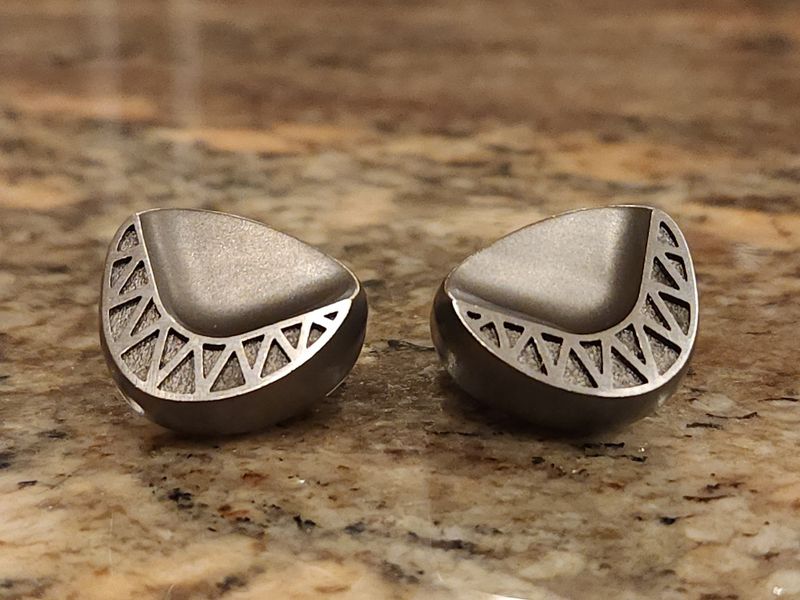
Comparison.
The comparison was done using Maven II with a stock PWA copper cable, stock Azla Xelastec eartips, and P6 Pro and SP3000T sources, volume matched in every comparison.
Maven II vs Maven Pro – I never reviewed Maven Pro or spent an extended time with it, but had a chance to hear it 2 years ago, and took some notes and measurements. This is not exactly an A/B comparison since I’m going by memory, but one thing that I clearly remember, also supported by my notes and measurements, Pro had a stronger mid-bass with a lot thicker lower mids. As a result, it created a very different sound tuning, with a warmer, more organic, and colored tonality. Pro was still resolving, thanks to its mid-treble presence, but more weight in bass and thicker mids created a warmer and smoother tuning. In comparison, Maven II is more transparent, with cleaner bass that has sub-bass focus and more detailed layered upper mids without any extra bloat carried over from lower mids. I prefer Maven II tuning to Pro.
Maven II vs UM Mest MK3 – I made the mistake of looking at and comparing FR graphs of these IEMs before doing the actual listening. For anybody who analyzes the sound by “looking” at it, this is a perfect example of how you could be deceived, thinking they will sound nearly the same because of similarity in FR. But in reality, here is what I’m hearing. The first thing you notice right away is a wider sound perception of Maven II, with everything from the sound width to the positioning of sounds in space spreading more to the left/right. As a result, the Maven II soundstage is more holographic and 3D-like while MK3 is a bit more intimate in a relative comparison. That doesn’t mean MK3 has a narrow soundstage, but I’m referring here to a relative comparison. Also, MK3 has a more elevated sub-bass and a slightly scaled-up mid-bass. It doesn’t make its bass sound stronger than Maven II, but it adds a bit more weight to it. Another noticeable difference in sound was in the upper mids and treble. Maven II has more elevated pinna gain and some boost in the lower treble, bringing its upper mids forward and giving them more clarity while MK3 sounds warmer, smoother, and slightly pulled back. MK3 has its unique way of detail retrieval and sound presentation while being smoother in tonality. In contrast, Maven II has more upper-mids presence, bringing out more details and making the sound more resolving. As a result, MK3 sounds more colored and warmer, while Maven II sounds more transparent and detailed.
Maven II vs UM Mest MK2 – The sound tuning contrast between these two UM models is quite noticeable. As I usually start with the soundstage expansion, the first thing that I hear when start analyzing the sound. They both have a very similar soundstage expansion, going wide and deep in all 3 directions, and having a close enough imaging, though I felt MK2 presented vocals slightly more out of your head. With tuning, first, there’s a difference in the sound signature where Maven II sounds more balanced, even with a slightly more forward presentation of the mids/vocals, while MK2 has a mildly U-shaped signature where vocals are pulled slightly back. Bass has more punch and rumbles in MK2 which could also be a part of the perception due to mids being more scooped out. Maven II is not lacking in bass, but the impact, especially in mid-bass, sounds more polite in comparison to MK2. Both have similarly neutral lower mids, while Maven II’s upper mids/vocals presentation is more forward, with more clarity and a higher level of detail. When it comes to treble, MK2 mid-treble is more elevated than in Maven II, giving the sound more crunch and extra energy up top. Based on this tuning, MK2 has more focus on the bass and treble, and Maven II shifts its focus to mids and treble while still providing a nice level of sub-bass rumble.


Maven II vs 64 Audio U12t – Despite its age, U12t still has an iconic status, thus I thought it would make a good comparison. What makes it especially interesting, again, on paper when you look at their FRs, they nearly match up to 2kHz (similar response of sub-bass, bass, low-mids, and mids). But, in reality, when you start listening and comparing these with your ears, Maven II sounds like a clear upgrade to U12t. Soundstage width and imaging are a lot wider and more holographic in Maven II, and the difference is very noticeable. Low end quantity, from sub-bass and through mid-bass is very similar, but quality gives Maven II an upper hand because of the sound texture the 2DD drivers bring to the lower end in comparison to U12t BAs. Both have neutral lower mids, and clear, natural, detailed upper mids, but the difference in treble sets them apart big time. U12t has more emphasis in the lower treble which gives its sound a more natural crunch, while Maven II has more emphasis in mid-treble which gives the sound its higher resolution with more sparkle and airiness to improve layering and separation of the sounds. So, if you are a fan of U12t tuning and craving bigger and more holographic soundstage expansion along with DD bass texture and improved retrieval of details, Maven II is a clear upgrade.
Maven II vs 64 Audio Trio – After comparing to U12t, the next logical comparison would be with Trio, considering its DD bass and extra treble emphasis. The difference in sound sig is the first and the biggest thing you notice, more balanced tuning of Maven II vs V-shaped tuning of Trio. The soundstage expansion is quite similar between these IEMs, but imaging is more holographic in Maven II. Both have a textured analog quality bass, though Trio bass is noticeably stronger, scaled up in quantity. Maven II sounds more natural while Trio has a noticeable boost, especially noticeable in vocals being more shouty in comparison to Maven II. Both have a noticeable presence in mid-treble to boost the resolution, but again, Trio has a big spike here, giving extra energy which can get a bit harsh with some songs. Overall, Maven II has a more balanced detailed tonality while Trio has a more fun-tuned V-shaped sound.


Maven II vs Elysian Audio Diva 2023 (white switch) – I chose a white switch setting to get closer to the bass quantity of Maven II. Right away I noticed how much harder Diva is to drive, requiring me to raise P6 Pro volume by 15 clicks (!!!). With the soundstage, the expansion and imaging are very similar, perhaps with Maven II having a more rounded soundstage while Diva has slightly more depth which creates a bit more out-of-your-head space. As mentioned already, I chose the white switch setting on Diva since it doesn’t have a flat bass (like a red switch) or boosted bass (like a blue switch). But due to Diva having noticeably more forward upper mids presentation, Diva’s bass loses some of its sub-bass rumble power, giving Maven II an upper hand; just keep in mind the white-switch setting because you can boost its bass with a blue switch. Both have less aggressive mid-bass, but the Maven II sub-bass rumble has more texture and weight. Also, Diva has leaner lower mids, to bring more forward its upper mids, while Maven II lower mids are more neutral and upper mids are less boosted, giving them a more natural musical tonality in comparison to Diva. Both have higher resolution sound in upper frequencies, but achieve it differently, with Maven II having more mid-treble presence, while Diva has more upper-mid presence with some carefully selected mid-treble peak. Another thing I noticed is, that Diva with its 3 switch settings has less coherency in tuning between its drivers in comparison to Maven II. It’s not a negative comment, just an observation.
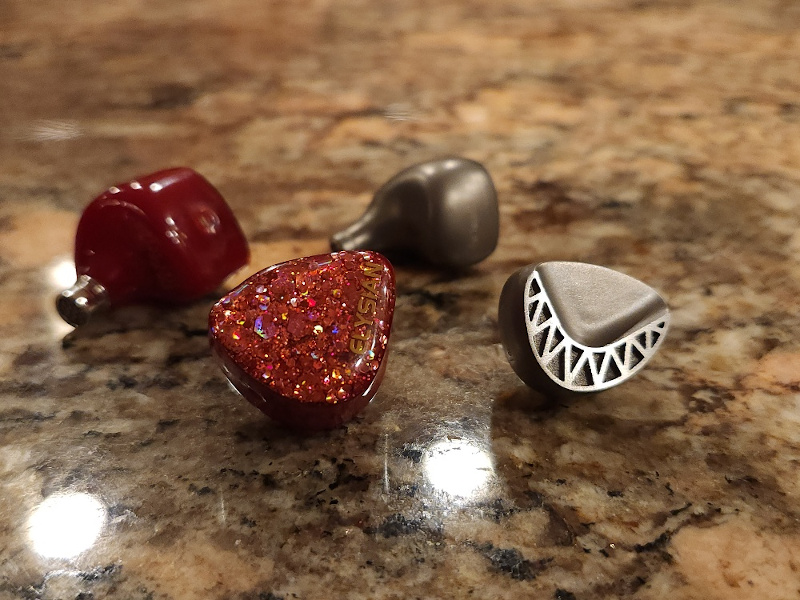
Source Pair up.
In each of these source pair-ups, I was using a stock PWA copper cable and stock Azla Xelastec eartips. Also, in general, Maven II IEMs are relatively easy to drive.
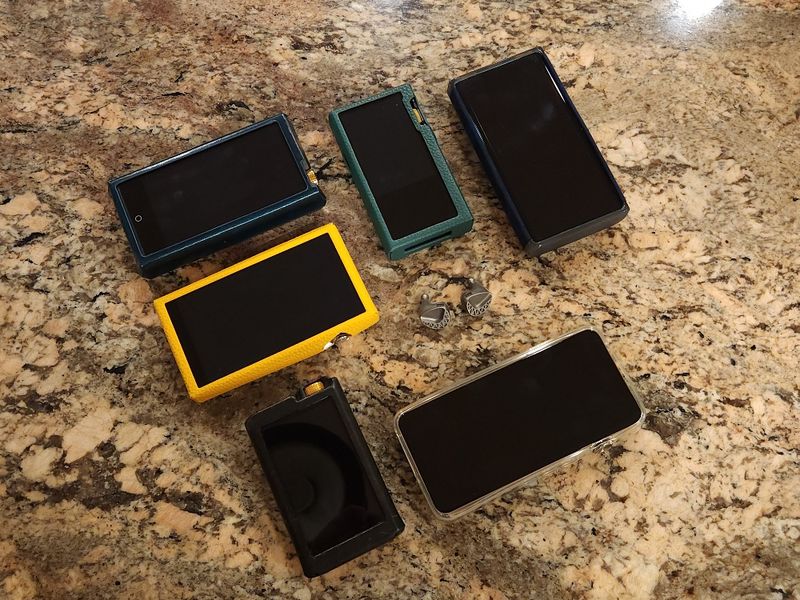
DAPs.
L&P P6 Pro – I hear a clear, detailed, natural tonality with a bit more revealing characteristics up top, a nicely balanced sound sig, and a big soundstage expansion.
Lotoo LPGT – nearly the same sound tuning as I hear with P6 Pro, a clear, detailed, natural tonality, balanced sound sig, and big soundstage expansion. LPGT could sound quite neutral in some pair-ups, but not here, it was quite detailed and engaging.
A&K SP3000T (tube/hybrid, high current, DAR) – big soundstage expansion with more expanded holographic imaging (more 3D positioning of sounds), and more body in lower mids which gives the sound warmer tonality and more organic texture. Very musical presentation of the sound while still maintaining the natural crisp treble.
Cayin N8ii (tube, Class A, P-mode) – soundstage stretches more L/R, even wider than with other DAPs. The bass goes deeper, adding more weight to the sub-bass and a little more punch to the mid-bass. Mids remain clear and detailed, lower mids sound neutral, maybe even a touch leaner, while upper mids a clear, micro-detailed, layered, and still quite natural. The treble is crisper here, still not harsh or sibilant, but brighter and airier. This tuning was the opposite of SP3000T, though I enjoyed both “flavors” of it. Once I switched to Class AB and P+, the sound became more revealing, and I didn’t enjoy it as much as I did with Class A and P.
Hiby R8ii (Class A/AB, turbo on/off) – strangely, the soundstage in this pair-up (and Class A/Turbo off setting) was a bit narrower, with more depth/height than width. I still hear a deep textured sub-bass rumble and a softer and more laidback mid-bass punch. Mids are warmer and smoother in tonality, also with a more laidback presentation in comparison to other sources. The treble is naturally crisp, well-defined, clear, and natural. With Class A and Turbo off, the sound was a bit mellow. When I switched it to Class AB and enabled Turbo, the soundstage got wider, and the mids were less colored and more revealing, but the PRAT factor didn’t improve and I felt the sound was still a bit more on a laidback side.
iBasso DX320 w/AMP14 (NuTube) – here, I hear a big holographic soundstage expansion, perhaps even stretching a bit wider in comparison to depth/height. The tonality is warmer and more organic, very natural and textured. The bass impact has a slightly more elevated weight and noticeably stronger punch. Lower mids have thicker sound, giving more body to upper mids. The treble has a natural well-controlled sparkle, compensating warmer musical tonality with higher resolution up top. Maven II does sound warmer in this pair-up, but without losing resolution or being muddy or congested.
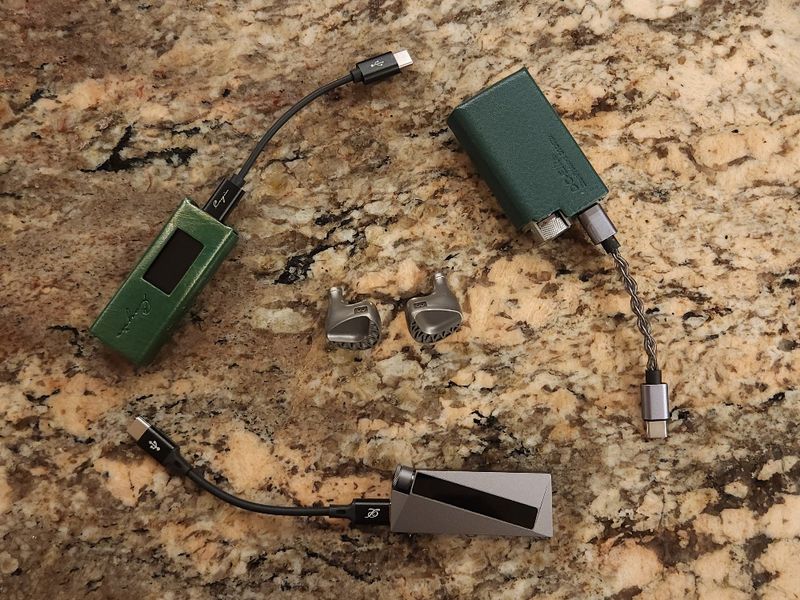
Dongles.
L&P W4 – here it was close to P6 Pro pair-up synergy with a clear, detailed, natural tonality and balanced signature, though the upper mids and treble were a little brighter and more revealing.
Cayin RU7 – very similar to W4, with a clear, detailed, natural, tonality and balanced signature. The treble was crisp and airy, a little smoother than with W4, but the sub-bass had more rumble, adding more weight to the low end.
iBasso DC Elite – very clean, clear, detailed sound. Big soundstage expansion, deep, articulate, very precise, tight bass, leaner lower mids, very transparent, micro-detailed upper mids, and clear and crisp treble. This tuning was opposite of what I heard with W4 and RU7, another example of a different tuning “flavor”. It was more revealing and micro-detailed versus other ones being smoother and more musical.
Conclusion.
I did mention in the intro of the review about appreciating the original Maven and Maven Pro versions, though their colored tuning wasn’t exactly my cup of tea. Maven II changed that completely, and if I may be so bold, I would even say that this Titanium Crescent version feels like a complementary side-grade to Mest MK3 as well as previous Mavens. I’m well aware that Unique Melody listens very closely to the feedback of their customers, and Maven II tuning is the result of that, improving the resolution and detail retrieving, while still maintaining the natural tonality and giving you a textured analog bass response.
With its clear, detailed, natural tonality, deep textured sub-bass, sparkly treble, well-balanced sound signature, and big soundstage expansion and imaging achieved without a BCD driver, UM Maven II Crescent stepped it up big time, in both the tuning and updated design with its elegant classy Titanium looks. It still offers many premium accessories, such as PWA copper cable, Dignis storage case, and AZLA Xelastec eartips, and managed all this without crossing the mega-kilobuck price threshold to appeal to both Mest and Maven fans.

 Twister6 Reviews
Looking for a “mature sounding” IEM for a mature music lover. Listen to lots of different music. Reading your Unique Melody UM Maven II Crescent review and considering ordering. Have been looking at the Thieaudio Prestige LTD. Do you have any thoughts? Thank you for your reviews. Always check your site out
LikeLike
Sorry, not familiar with Thieaudio iems.
LikeLike
what is better complement of maven ii tuning? Rn6 or Astrolith?
LikeLike