
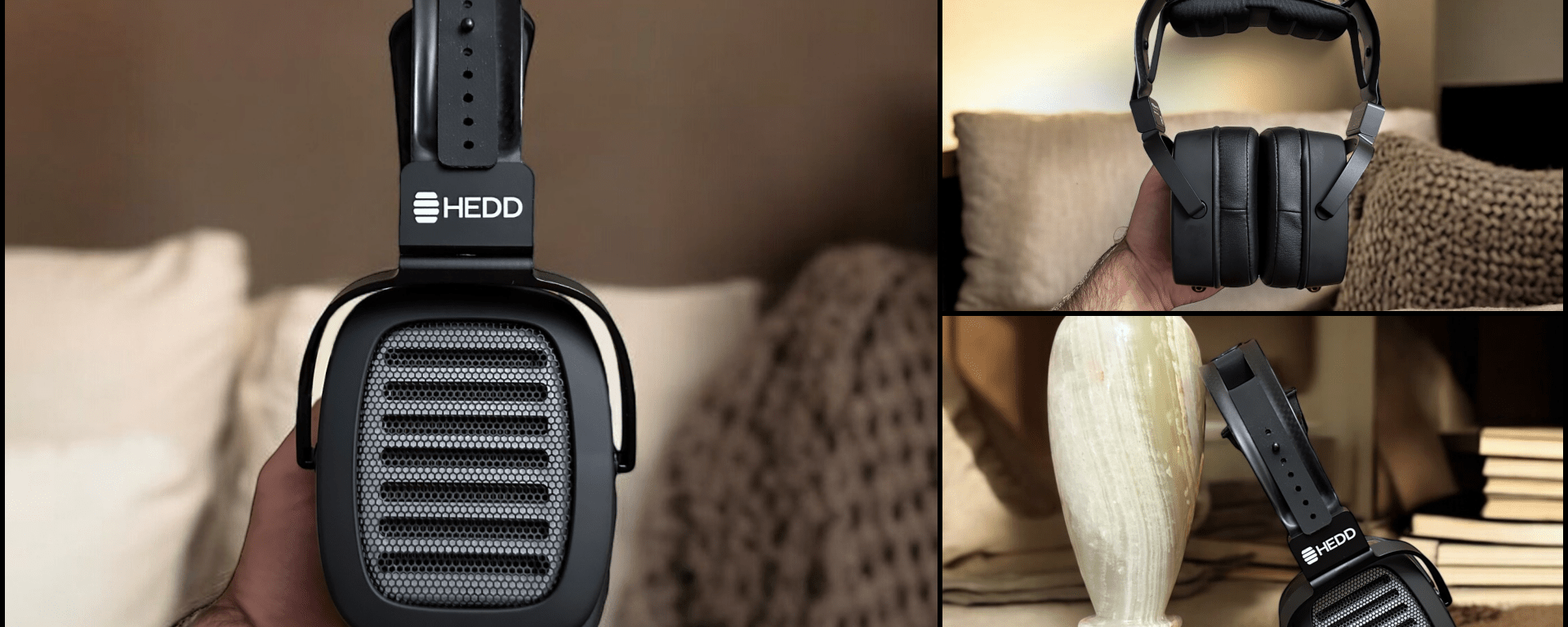
AMT experience in a headphone!
PROS: Excellent premium build quality, good fit with control over height as well as clamp force, easy to listen to signature, very good technical performance – especially transient response, micro-detail retrieval and resolution, deep stage, good imaging and layering, shines exceptionally with calibration, industry leading 5-year warranty.
CONS: Dipped upper-midrange and lower-treble takes it away from natural reference tonality, a little heavy, headband adjustability not the quickest.
The product was provided to me free of charge for the review in exchange for my honest opinion.
About HEDD Audio.
Heinz Electrodynamic Design (HEDD) is a Berlin-based creator of cutting edge loudspeaker and headphone solutions. Founded in 2015 by physicist Heinz Klaus and his son, Musicologist Dr. Frederik Knop, HEDD products include studio monitors, subwoofers, and main speakers – as well as the signature HEDDphone®. Producers, sound engineers, recording artists, and high-end enthusiasts worldwide seek out HEDD for use in music production, mastering, and home HiFi. HEDD’s mission has been to build products aiming for complete accuracy and outstanding signal fidelity in Germany, that can accommodate a diverse range of sounds and eclectic spectrum of musical tastes.
Link – HEDDphone Two (Official Website)
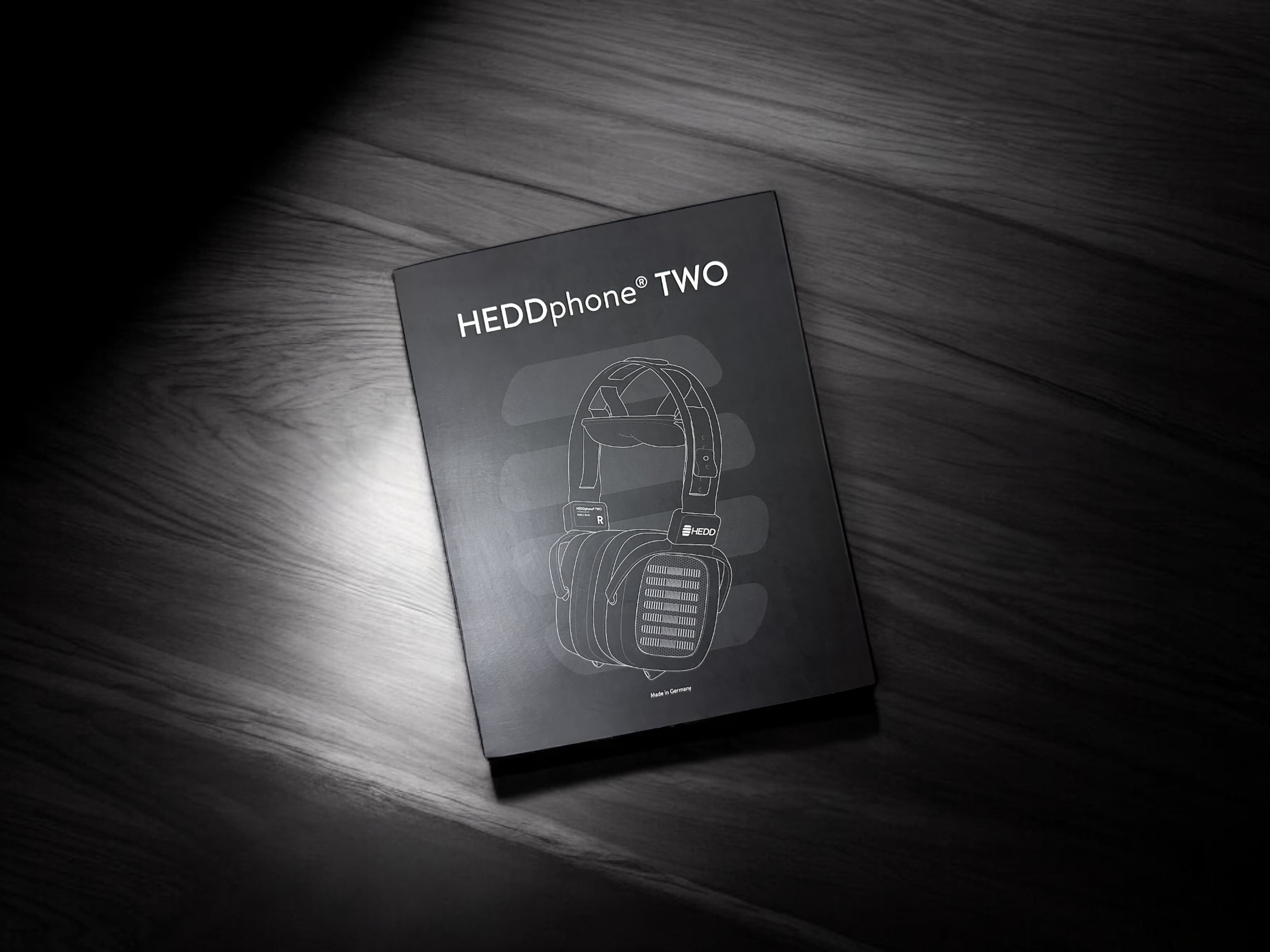
Technical Specifications.
- Design – Open-back over-ear headphone
- Drivers – Air Motion Transformer with VVT technology and Kapton polyimide diaphragm
- Frequency Range – 10 Hz – 40 kHz
- Maximum SPL – 89 dB SPL at 1 mW
- Impedance – 41 Ω flat
- Power – Min. 200 mW, recommended ≥1000 mW
- Inputs – 3.5mm jack
- Cable – Kevlar-infused, braided.
- Pads – Faux leather ear pads and head cushion
- Weight – 550g
Tech in HEDDphone TWO.
An AMT for headphones.
After spending more than a decade refining the AMT as a tweeter for use in loudspeakers and monitors, Dr. Klaus Heinz had another idea: applying it to a wearable headphone. The idea wasn’t entirely new as there had been a few attempts to integrate AMTs in headphones but none had succeeded at reproducing the entire frequency spectrum, focusing instead on providing the mid- to high frequency clarity of the AMT combined with a separate dynamic bass driver. The HEDD team approached the problem in a similar way to how Klaus had originally come up with the ART design: what if changing the geometry of the Kapton folds could open things up and enable accurate full range sound?
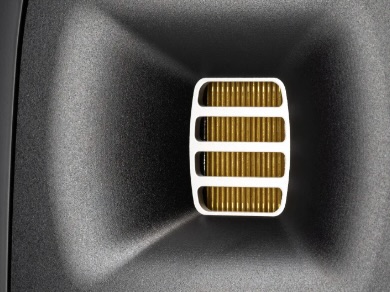
Variable Velocity Transformation.
What followed was a long process of trial and error that eventually led to what HEDD Audio call Variable Velocity Transform (VVT), an update to the geometry of an AMT driver’s folds, which in a monitor requires them to be of the exact same shape. With VVT, the AMT’s diaphragm features folds that vary both in width and depth and can therefore reproduce the full audio spectrum from 10 to 40 kHz. VVT was unveiled in 2020 with the launch of the HEDDphone, the world’s first full-range AMT headphones and the latest evolutionary step in the history of the AMT driver. In 2023, following intensive rounds of R&D incorporating feedback from users, HEDD Audio released the HEDDphone TWO which features an updated AMT design that improves on the build and accuracy of VVT.
VVT is a rethinking of the geometry of the AMT driver to achieve even frequency response across the entire audio spectrum, by letting folds vary in width and depth. This HEDD innovation made it possible for the HEDDphone to become the world’s first full-range AMT headphone.
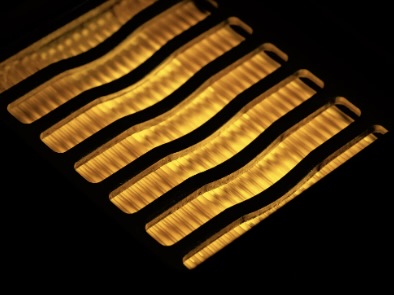
Design and Principle.
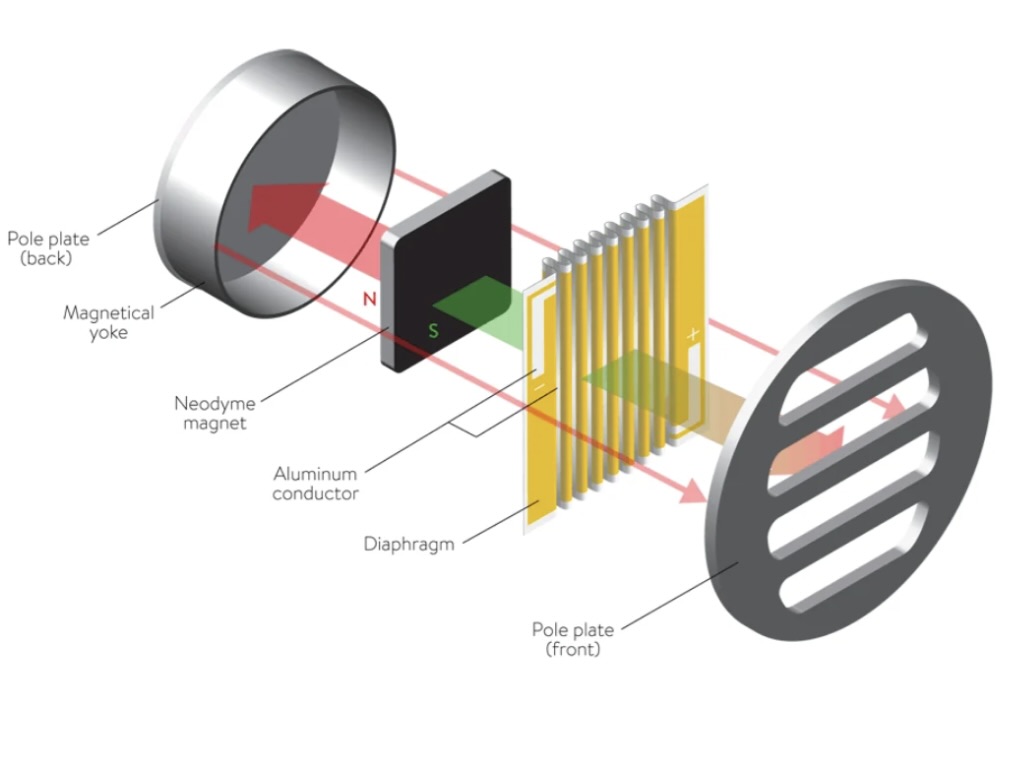
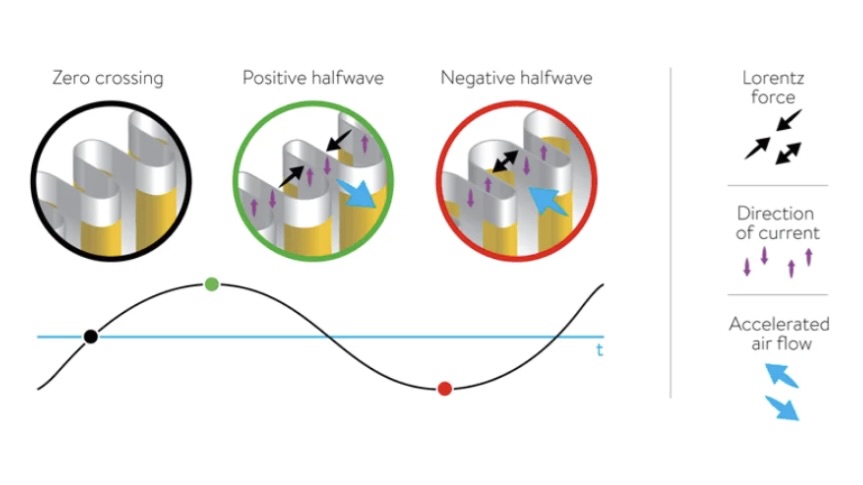
The Air Motion Transformer is an electromagnetic driver, based on the Lorentz force, that moves the air through single folds. The diaphragm itself has an aluminium circuit printed on it (violet arrows) and is surrounded by a strong magnetic field. The graphics in and around the small circles show the motion of the individual foils producing a sinusoidal waveform: from where it starts (black circle) through the positive (green circle) and negative (red circle) half-waves. The resulting air flow (blue arrows) is four times faster than speed in which the individual folds move, which is a big advantage when it comes to reproducing music signals with fast transients (cymbals, plugged guitar strings, etc.).
HEDDband.
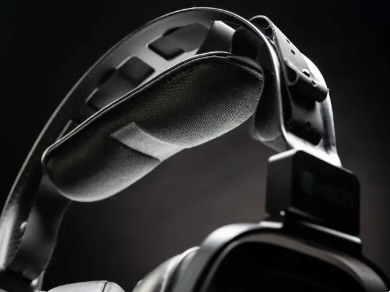
HEDD Audio’s innovative design uses a smart strap system that adjusts the snugness as well as clamp force to comfortably fit heads of any shape or size.
All Made in Berlin.

All HEDD products are designed and assembled in Berlin by talented engineers and craftspeople who draw from a rich history in audio reproduction to create products tuned to the key of you.
In the box.
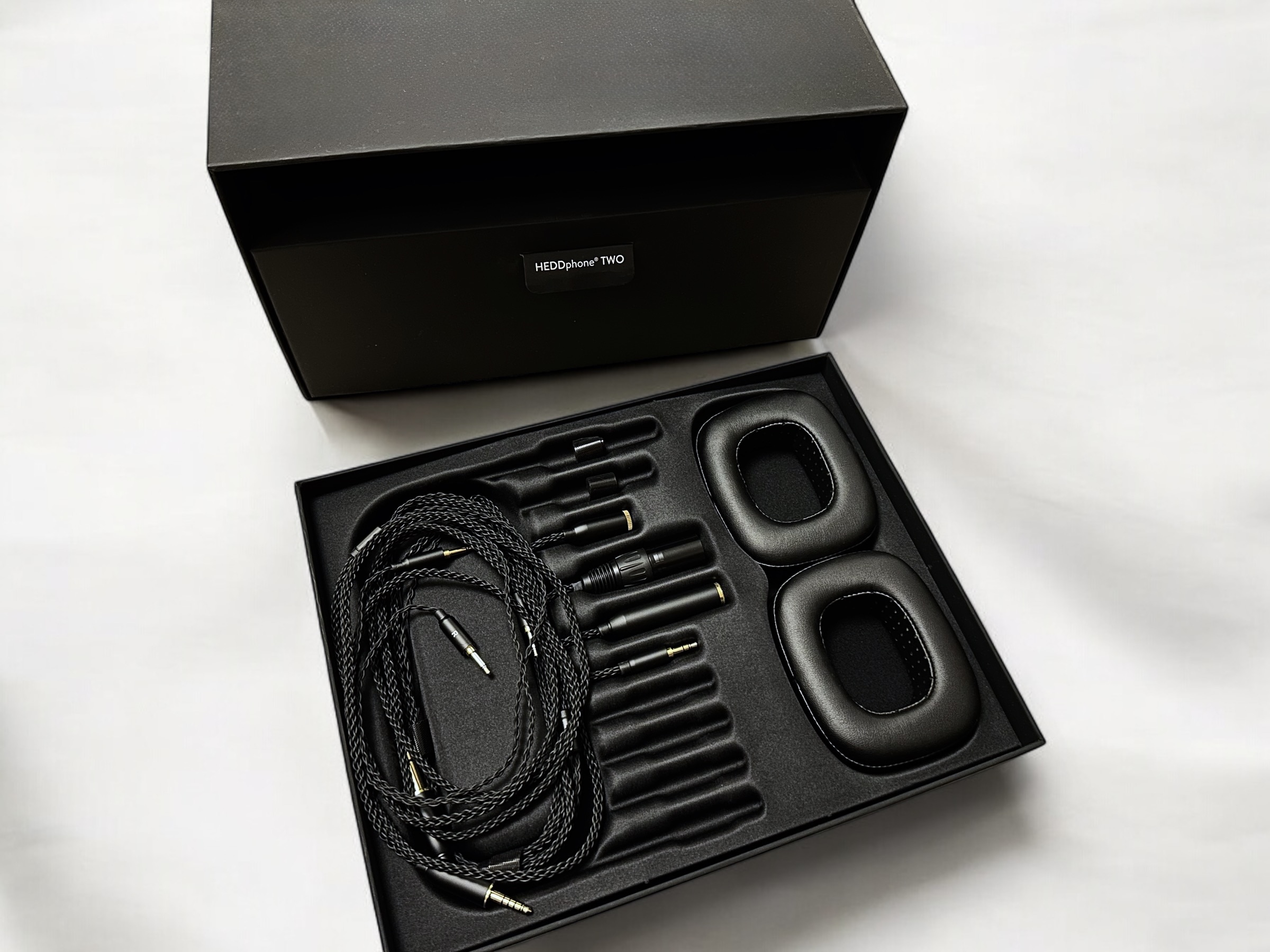
- HEDDphone Two Headphone
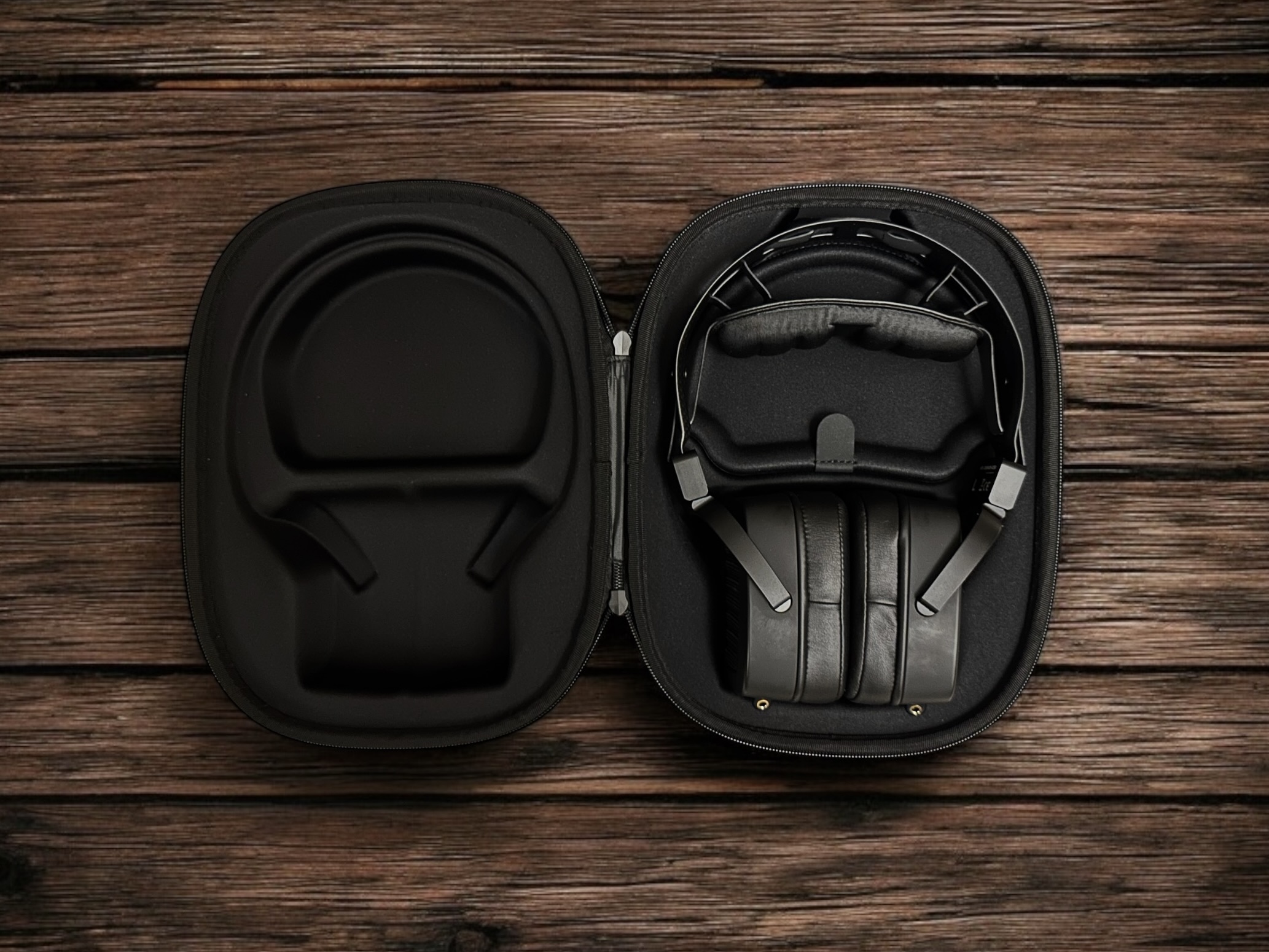
- Molded carry case with a little compartment to carry the stock cable.
- Extra set of ear pads.
- 2 Cables – unbalanced 6.35 mm and balanced 4.4 mm.
- 2 Adapters – 6.35 mm to 3.5mm and balanced 4.4 mm to XLR.
Build Quality, Fit and Comfort.
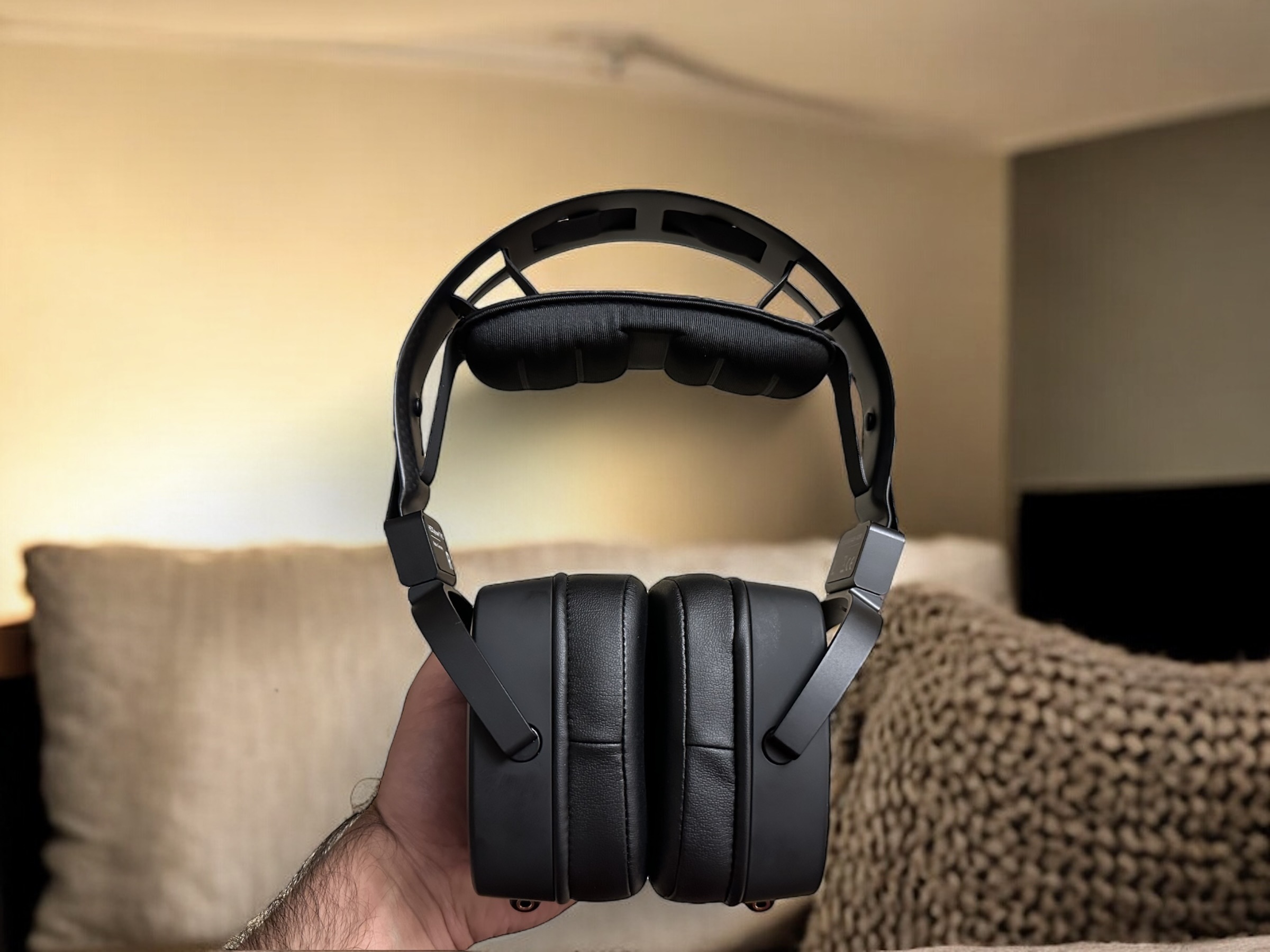
The build is impeccable and classy – oozes proper German engineering and quality. It’s now 180 grams lighter than the original with lighter drivers, a proper suspension strap, Magnesium cups + yokes and a carbon fibre headband. The suspension strap has two segments – one to adjust height and the other to adjust clamp force – which is an ingenious idea and design because it helps you tweak the fit to your preferences perfectly – something that I haven’t come across done before. The headband suspension strap adjustment and locking mechanism is quite innovative and here’s a video on how to adjust the headband from HEDD Audio for absolute ease of understanding – HEDDband Adjustment. On top of the excellent build, HP2 comes with an industry leading 5 year warranty which is just wonderful for the working man as it provides a stress free ownership experience.

I was able to adjust the strap and find a comfortable fit in less than 2 minutes. The height adjustment is not as quick or easy as headphones like Audeze and HifiMan but the HEDDband gives you much more adjustability than they do, especially adjustability of the clamp force, which hardly any headphone does. This makes it very easy to achieve a comfortable fit that is able to mitigate the 550g weight mostly. But still this is no light headphone and if you’re one who doesn’t like too much weight on their head, any headphone post 400grams might not be your thing.
Even though the HEDDphone itself fits me quite comfortably, the driver crinkle from the large AMT driver can be a bit much at times. Being a headphone head for almost 2 decades, I’ve learnt to live with it and it doesn’t disturb me as much as it did a decade back but it’s a point to note if you’re highly sensitive to it.
Sound Analysis.
Drivability – It is okayish to drive via powerful dongles and DAPs but I’d recommend using it with a dedicated headphone amp to easily drive it to decent levels. Good amount of power is especially required when using EQ calibration as one needs to reduce the input preamp volume for the EQ’s output quite a bit so as to not clip.
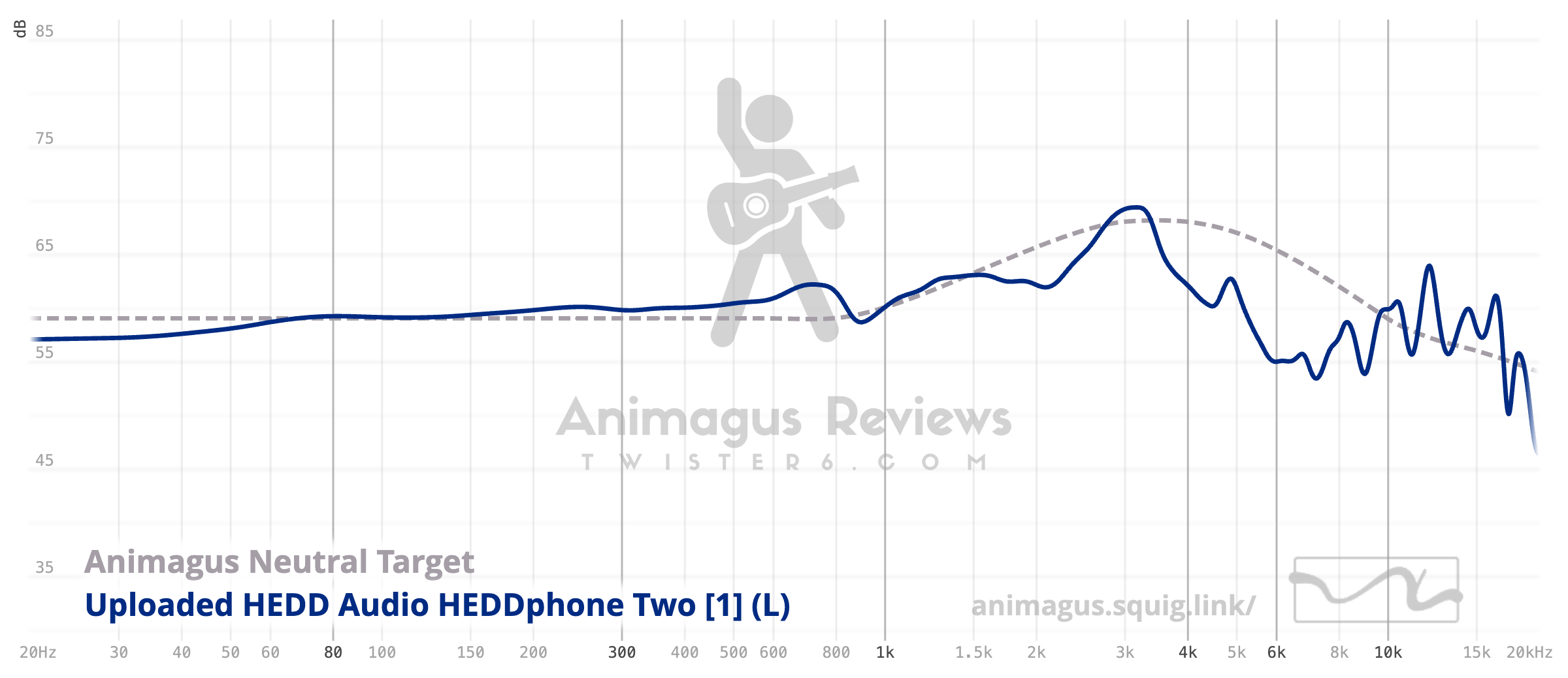
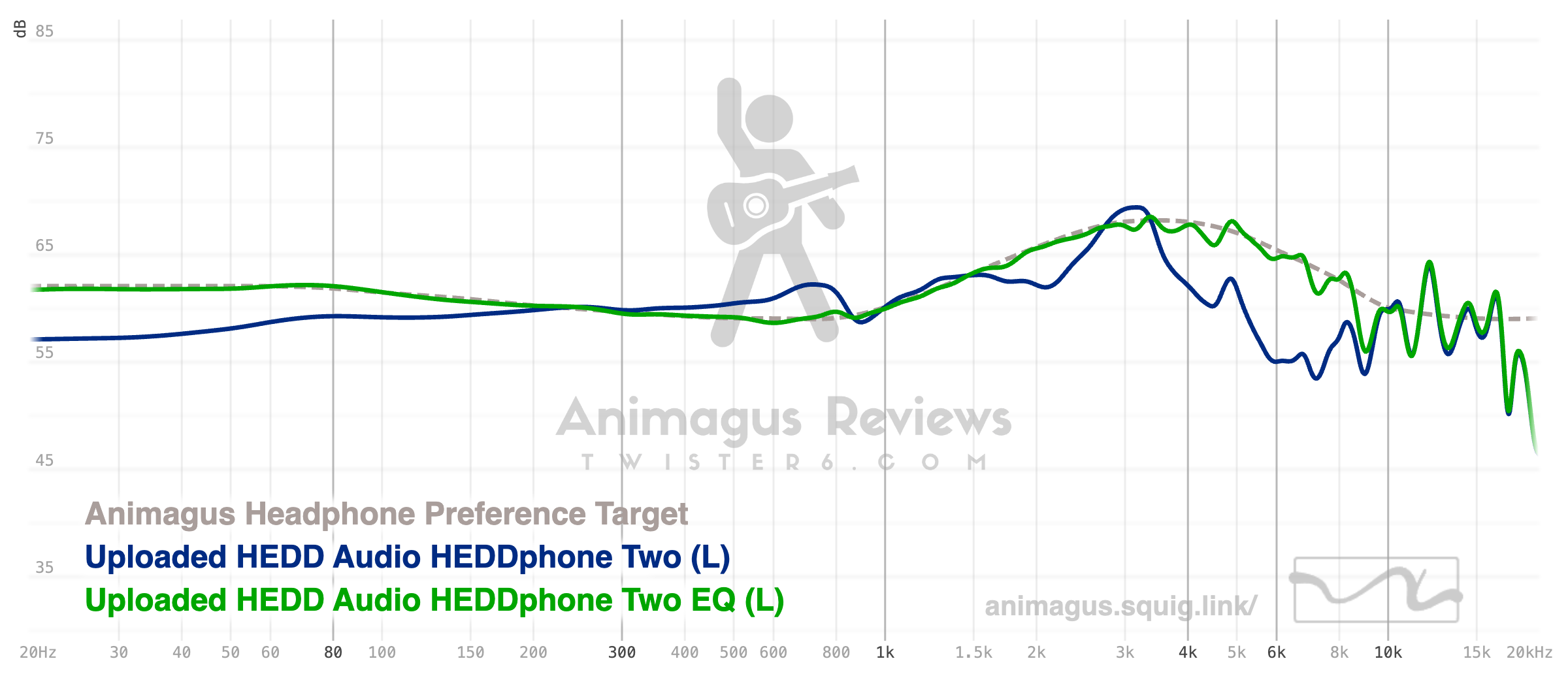
Graph borrowed from Mark’s (Super Review) database for illustrative purposes as I don’t own a headphone measurement setup. You can compare all headphones on his headphone measurement database here – Super Review Headphone Squiglink. All my IEM measurements can be found on my IEM Graph Database here – Animagus Squiglink.
Introduction – HEDDphone Two (HP2 from here for ease) has a warm, fuller sounding signature that prioritises bass extension, ease of listening and technical performance most. It is a mixed bag of a headphone where on one hand the tonality isn’t as accurate as I’d like, with it dipping the lower-treble region more than what I’d be okay with and on the other hand, has impeccable technical performance. Some fine EQ fixes the tonal deficiencies and showcases what the HP2 is actually capable of in full glory, which we shall talk about in the latter part of this article.
But first, let’s dig in deeper in the tonal performance…
HP2’s AMT driver portrayal of bass leans towards excellent ADSR (Attack, Decay, Sustain and Release) replay over dynamic driver like upfront slam. The bass images deeper into the soundstage and not right up your face which gives a better sense of open space. Bass extends till 20Hz but with a very slight 1-2dB negative sloping of the sub-bass, something that shows only in deep sub-bass recordings, not always, and can be rectified with just a touch of a bass shelf EQ. What is most impressive is the precision and isolation of bass in the centre that makes you hear the music as a live performance than the realisation of it being a recording playing in your head kind of soundstage.
Due to the dipped lower-treble, the focus of the signature turns towards midrange. There is some minor muddiness and boxiness in the lower-midrange due to the tiny peak around 700Hz and a minor dip at 2kHz which reduces some of the directivity and forwardness of sound. Besides that the midrange is otherwise quite well done. The lower-midrange is fairly flat relatively and the ear gain peaks correctly at 3kHz. But where HP2 excels is at the timbre and layering of instruments. It has excellent instrument timbre realism which may not shine right off the bat but shines brilliantly post some good EQ to iron out the peaks and dips. The lower-treble dips do take it away from accurate tonal presentation but HP2 has impressive treble extension which is fairly linear compared to the competition, especially HifiMans planars which tend to sound extra peaky in upper-treble. This results in very good detail retrieval and even more after proper calibration, the effects of which we shall discuss in the segment below.
Technical performance – This is definitely the USP and MVP of HP2. The AMT drivers are able to provide layering, texture and realism that is quite unique and equally impressive. The tonal deficiencies do hinder it a smidgen but once those are fixed, it shines very impressively with detailed depth layering, very strong imaging and equally good detail retrieval that all participate to produce impressive resolution. The stage width is not very wide, I’d say average for this price segment but the depth is impressive. This is a headphone that presents the stage a bit further away from the ‘in your head’ feeling. So much so that even when you boost the bass with EQ, the bass does not come right up your face; it stays deep while only increasing the perception of slam and rumble. The HD800 series headphones are able to do this but very few headphones in this segment and below otherwise. For this particular reason, I find the HP2 to be quite the technical performer and since I’m totally good with EQ, in fact love EQ-ing each and every headphone and IEM to my preferences, I greatly appreciate getting good technical performance in a product – quite a few things of which cannot be fixed with EQ.
EQ-ing and calibrating HEDDphone TWO to two of my preferred target curves.
If you’re a fan of headphones and still haven’t gotten into the world of EQ, you’re greatly missing out and I highly recommend that you start. Tuning headphones isn’t as easy as multi-driver IEMs, so hitting a target curve (company’s own internal or one of the popular ones) or specific personal preferences to perfection is extremely difficult. Even if a headphone is tuned very well, EQ can take it to a whole different level of awesomeness, especially one that has really good technical performance like the HEDDphone Two here. EQ can do stuff that no amount of source experimentation with amps or cable rolling can even touch otherwise.
Here I’ve included EQ recommendations calibrating the HP2 to my ‘Animagus Neutral’ and ‘Animagus Headphone Preference’ targets.
Heads up! – These EQ calibration files have been created using measurement of 1 sample of HEDDphone Two. Due to slight differences between different units as well as measurement and coupling differences with the measurement rig and on different human heads, it might not translate properly to all units but can definitely serve as a good starting point. Regardless, I’d recommend tweaking the settings to taste. Note – Also everything after Filter 10 is fine tuning. So if your EQ can only take 10 filters, ignore the EQ numbers post Filter 10.
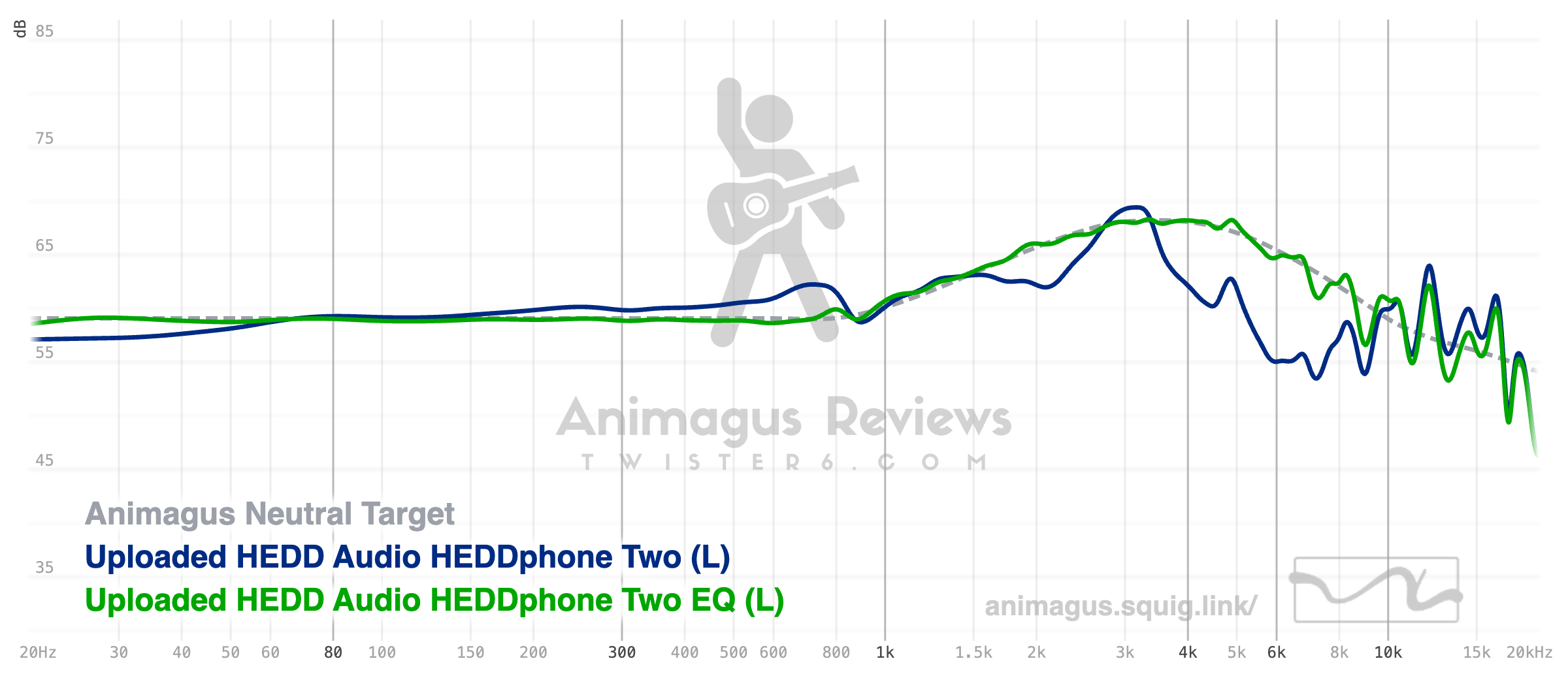
EQ’d to Animagus Neutral Target.
Preamp: -9.8 dB
Filter 1: ON PK Fc 28 Hz Gain 2.0 dB Q 0.900
Filter 2: ON PK Fc 230 Hz Gain -0.7 dB Q 1.900
Filter 3: ON PK Fc 750 Hz Gain -0.8 dB Q 2.000
Filter 4: ON PK Fc 1000 Hz Gain -2.9 dB Q 0.600
Filter 5: ON PK Fc 1000 Hz Gain 2.3 dB Q 2.000
Filter 6: ON PK Fc 2100 Hz Gain 5.6 dB Q 2.000
Filter 7: ON PK Fc 3100 Hz Gain -5.2 dB Q 2.000
Filter 8: ON PK Fc 4000 Hz Gain 4.8 dB Q 2.000
Filter 9: ON PK Fc 6300 Hz Gain 9.9 dB Q 1.400
Filter 10: ON PK Fc 13000 Hz Gain -3.5 dB Q 1.100
Filter 11: ON PK Fc 80 Hz Gain -0.5 dB Q 1.000
Filter 12: ON PK Fc 728 Hz Gain -2.0 dB Q 4.000
Filter 13: ON PK Fc 879 Hz Gain 2.0 dB Q 3.000
Filter 14: ON PK Fc 3319 Hz Gain -2.0 dB Q 7.000
Filter 15: ON PK Fc 3620 Hz Gain 1.0 dB Q 8.000
Filter 16: ON PK Fc 4832 Hz Gain -3.0 dB Q 8.000
Filter 17: ON PK Fc 4500 Hz Gain 2.0 dB Q 8.000
EQ’d to Animagus Headphone Preference Target.
Preamp: -9.7 dB
Filter 1: ON PK Fc 20 Hz Gain 0.9 dB Q 2.000
Filter 2: ON PK Fc 29 Hz Gain 4.0 dB Q 0.500
Filter 3: ON PK Fc 44 Hz Gain 0.1 dB Q 0.500
Filter 4: ON PK Fc 100 Hz Gain 1.3 dB Q 0.700
Filter 5: ON PK Fc 220 Hz Gain -0.1 dB Q 2.000
Filter 6: ON PK Fc 380 Hz Gain -0.6 dB Q 0.500
Filter 7: ON PK Fc 720 Hz Gain -3.1 dB Q 2.000
Filter 8: ON PK Fc 6300 Hz Gain 10.5 dB Q 1.100
Filter 9: ON PK Fc 10000 Hz Gain -4.2 dB Q 2.000
Filter 10: ON PK Fc 900 Hz Gain 3.0 dB Q 8.000
Filter 11: ON PK Fc 2000 Hz Gain 2.0 dB Q 4.000
Filter 12: ON PK Fc 1320 Hz Gain -1.0 dB Q 6.000
Filter 13: ON PK Fc 2184 Hz Gain 2.0 dB Q 8.000
Filter 14: ON PK Fc 3180 Hz Gain -6.0 dB Q 7.000
Filter 15: ON PK Fc 2832 Hz Gain -2.0 dB Q 10.000
Filter 16: ON PK Fc 4122 Hz Gain 2.0 dB Q 8.000
Filter 17: ON PK Fc 4900 Hz Gain -2.0 dB Q 8.000
Results post EQ calibration.
EQ really does wonders to HEDDphone Two. I hear not only the HP2 tonality improve greatly to have a neutral, reference like tonal presentation, but even aspects of technical performance improve with it. With the lower-midrange honk corrected and the more linear, neutral treble enhancing detail, I hear a more open and cleaner sense of space. I also hear more precise imaging due to the filling of the upper-midrange/ear gain dip. The whole perception of staging is still out of head and the depth perception remains intact but with the whole mix playing even more accurately, it makes the overall experience more engaging and immersive.
Comparisons.
Sennheiser HD800S.
HD800S is one of the most popular flagship headphones even till today and yet no perfect headphone when it comes to tonality. It’s quite a bright headphone and most times you either need to use to a warm source or turn the treble down and increase the bass by quite a bit to get it to sound comfortable. Yet it’s the technical performance king – something that’s rare especially at its price point. HP2 and HD800S are quite different without EQ. HD800S has better bass extension, a more neutral lower-midrange, less ear gain peak, much brighter lower-treble and not as linear an upper-treble presentation and extension as the HP2. EQ’d to the same target is when the playing field levels and you can really see their technical performance shine its true self by fixing their tonal shortcomings. HD800S has an even more out of head soundstage that extends in front of the face. HP2 has deeper depth, not as wide width but stronger imaging and definition. HD800S on the other hand has a silky, airy character which gives you a much more open sense of space. Detail retrieval and resolution are at par and I’d classify the perception of layering to be slightly better on the HD800S.
ZMF Atrium.
Even though HP2 has excellent build quality, Atrium, in fact all ZMF headphones, have a much higher end construction with exquisite woods, metal and premium leather – something hardly anyone does better than ZMF. Atrium has a Bio-cellulose driver while the HP2 features an Air Motion Transformer (AMT) driver. Atrium is a fairly different sounding headphone – a warmer, more organic sounding headphone while the HP2 sounds detailed, has a fast transient response and a slightly brighter sound signature relatively. Compared to the HP2, Atrium has much more boosted mid-bass, very slightly fuller lower-midrange, a slightly more accurate ear gain peak, dipped 3.4-5kHz region, fairly bright lower-treble but much warmer upper-treble. This results in a fuller sounding warmer signature in comparison which even though brighter in lower-treble is much warmer post 10kHz. The technical performance is where these two differ greatly. Atrium even though has a bigger sounding stage, HP2 actually images deeper and more infront of your face than the Atrium. HP2 has better micro-detail retrieval, more precise transient response, better layering as well as better imaging. Atrium on the other hand has more organic gooey tonality and timbre, better bass punch as well as dynamism.
Audeze LCD-X 2021.
Even though LCD-X21’s headband adjustment mechanism is much simpler and quicker to adjust, HP2 is a much more comfortable headphone because of its much lighter weight and dual control over the clamping force as well as fit. Build quality of both are at par and they’re so similar in build and finish that an amateur could mistake them being headphones from the same manufacturer. Stock tonality wise, LCD-X21 has better sub-bass extension, similar lower-midrange presentation, a much more dipped ear gain region in the 2-5kHz region, better lower-treble balance and similar upper-treble extension. They’re both not sets that can be called close to neutral but HP2 fares better in the ear gain region, and hence sounds a bit more accurate in comparison. What majorly differs is the way they do dynamics and technical performance. First is the stage – LCD-X21 has an engulfing stage that goes behind your head while the HP2 has a stage that goes in front of your head. LCD-X21 has wider width while the depth is on the average side while HP2 has deeper depth and width on the average side. Both have fast transient presentation but LCD-X21 has better layering imaging while HP2 has stronger imaging across the width. When calibrated to the same target, HP2 comes across as having better resolution as well as micro-detail retrieval. LCD-X21 does not lag by much but the difference is noticeable. Overall, it’s an apple to oranges comparison and tough to call one a straight winner though I’d personally take the HP2 for being lighter and having stronger resolution and imaging performance. I will sadly miss the width of the LCD-X21 but sadly you can’t have it all.
Conclusion.
No headphone is perfect, except for maybe the Sennheiser HE-1 for me, which is basically unobtanium at $60,000 and out of reach for 99% of the audiophiles I know. HEDDphone Two even though has its tonal shortcomings, primarily the dipped 3.5-10kHz region, is surely a headphone that I could live with because of its excellent dynamics, resolution and micro-detail retrieval. I for sure use EQ to fix the tonal deficiencies but that’s the scene with me for almost every good headphone I own as I’m a perfectionist when it comes to tonality, and headphones in general are not easy to tune and hit a neutral target perfectly. I also like the HP2 over heavy headphones like LCD-X 21 because of the lighter weight and more control over the clamp force – making it a much more comfortable experience in comparison. If only the tonality in the upper-midrange to lower-treble was perfected, this would’ve been a very easy recommendation as an all rounder. For now, if you’re a headphone enthusiast who values great technical performance and isn’t shy of EQ-ing the headphone to their preferences, this is a must try headphone.
Gear used for testing and review.
- Desktop setup – Universal Audio Apollo + DROP THX AAA 789 Amp
- DAPs – iBasso DX300 | iBasso DX260
- Phone – OnePlus 7 Pro + iBasso DC06 Pro
Artists I like and listen to.
- Rock – Foo Fighters, Linkin Park, Switchfoot, Imagine Dragons, Daughtry, Green Day, MuteMath, X Ambassadors, Dave Matthews Band, Vertical Horizon, Our Lady Peace, Lifehouse, Fall Out Boy, Breaking Benjamin, Muse, ACDC, Audioslave, Rage Against the Machine, Biffy Clyro, I Am Giant, Normandie, Paramore, Slash & Guns N Roses, 3 Doors Down.
- Pop Rock – John Mayer, Coldplay, Paul McCartney, James Bay, Hunter Hayes, Niall Horan, Keith Urban, The Bros Landreth, Bryan Adams.
- Progressive Rock/Metal – Porcupine Tree/Steven Wilson, Karnivool, Tool, Dead Letter Circus, Periphery, Lamb of God.
- Pop/Soft Rock – Ed Sheeran, Adele, Taylor Swift, OneRepublic, The Script, Gavin James, Magic Man, Maroon 5, Bruno Mars, Charlie Puth, Dua Lipa, The Weeknd, Oasis, Panic! At the Disco, TwentyOne Pilots.
- EDM – Chainsmokers, Zedd.

 Twister6 Reviews