
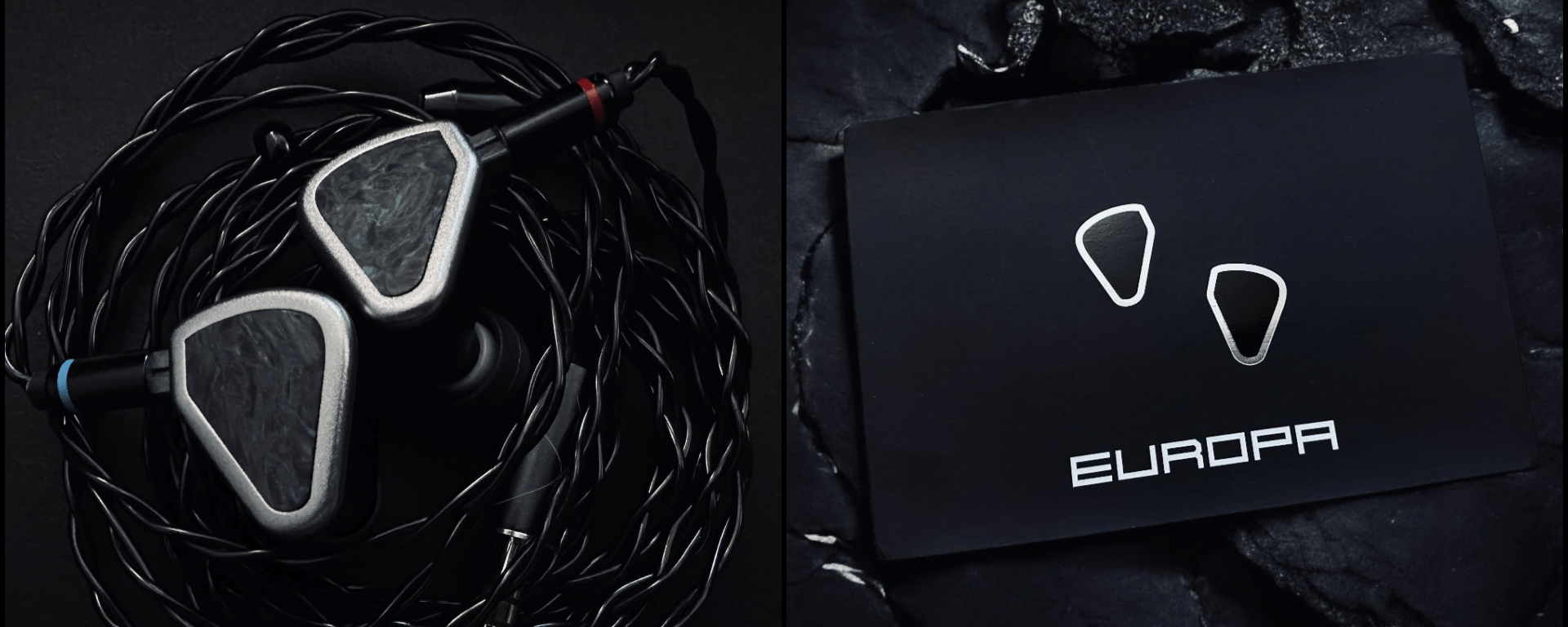
A Refined Evolution.
PROS: Easily likeable, well-balanced tuning with a smooth, natural timbre, excellent midrange clarity and vocal performance, premium build quality and refined ergonomics compared to previous Symphonium offerings, easy to drive and scales well with quality source, forgiving treble, suitable for extended listening
CONS: Fit may still be challenging for users with smaller ears (not for me though), ear gain and treble may be too relaxed for neutral heads and detail-seekers, source-sensitive.
About Symphonium Audio.
Symphonium was conceptualised in 2015 with the founding members setting out to design and manufacture their own IEMs from the ground up focusing on sound quality, reliability, premium materials and innovative designs. As per them, their founding journey has not been an easy one with countless failed prototypes and manufacturing difficulties in the initial years. Since then they’ve built strong relationships and partnerships with fellow brands and their team has grown considerably, evolving from their founding members to a fully capable team that now manufactures each earphone entirely in-house, from start to finish.
We’d reviewed the first lineup of Symphonium IEMs under our Brand Spotlight series here.
Elise Audio and the Europa collaboration.
Elise Audio, a UK retailer have been busy for the past few months working on collaborations with popular IEM manufacturers, tweaking an existing model to their liking and what they feel would work better if it was them designing the IEMs. They’d put out Helios SE with Symphonium, a collaborative re-tweak of the popular Helios (which we reviewed here a few years back) some time back and now it’s time for Europa, a collaborative physical and internal re-tweak of Symphonium’s flagship Crimson. As per Elise Audio, they aimed to refine the foundation set by Crimson with a focus on ergonomic enhancements and a more balanced yet engaging sound signature compared to Crimson’s more energetic W-shaped signature.
Link to Europa’s Page – Symphonium x Elise Audio Europa
Technical Specifications.
- Drivers: 4 Balanced Armatures with a true 4-Way Crossover
- Frequency Response : 10Hz – 24kHz, ± 2 dB
- Sensitivity: 106dB/Vrms @ 1 kHz
- Impedance: 6.05 Ohms @ 1 kHz
- Socket: Spring Loaded 0.78mm 2-Pin
- Cable: Newly designed “Dark Matter” cable 7N OCC copper.
- Premium forged carbon faceplate
- Refined shell design to fit smaller ears
- Europa boasts a fusion of both PHAT and FLAT tech.
Unboxing and Accessories.
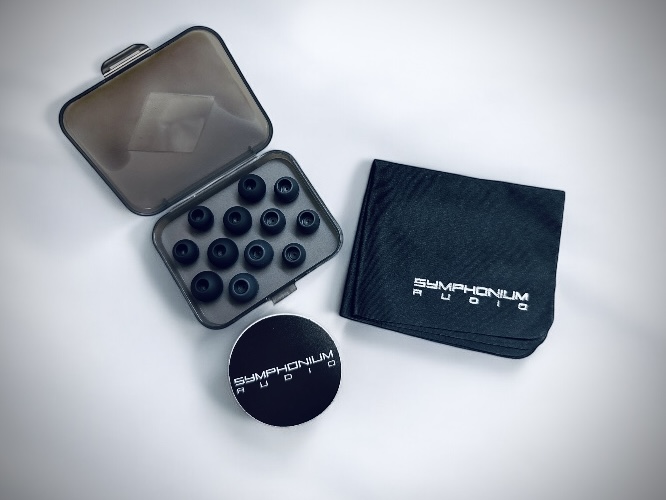
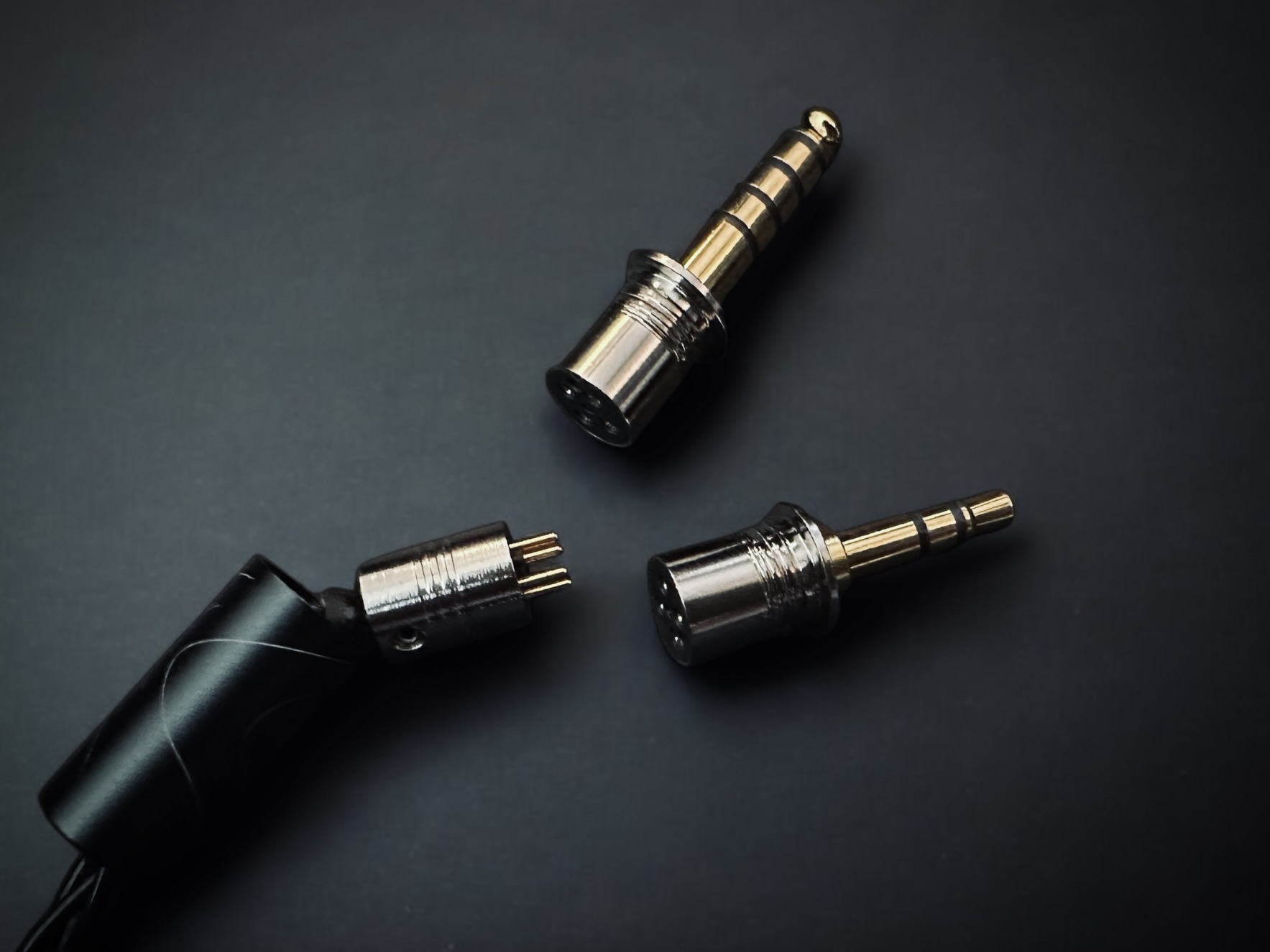
This time Symphonium has offered a step above the utilitarian unboxing experience of Helios and Triton – possibly thanks to Elise Audio. The Europa arrives in a large but sleek package with a protective, roomier hockey puck case, a selection of premium ear tips from Azla and Divinus, and a nice stock cable called the “Dark Matter”. It is a 7N OCC copper cable especially designed for Europa and comes with swappable 4.4mm and 3.5mm jacks – catering to audiophiles who don’t like to be limited and like using their IEMs with a multitude of sources.
Build, Fit and Comfort.
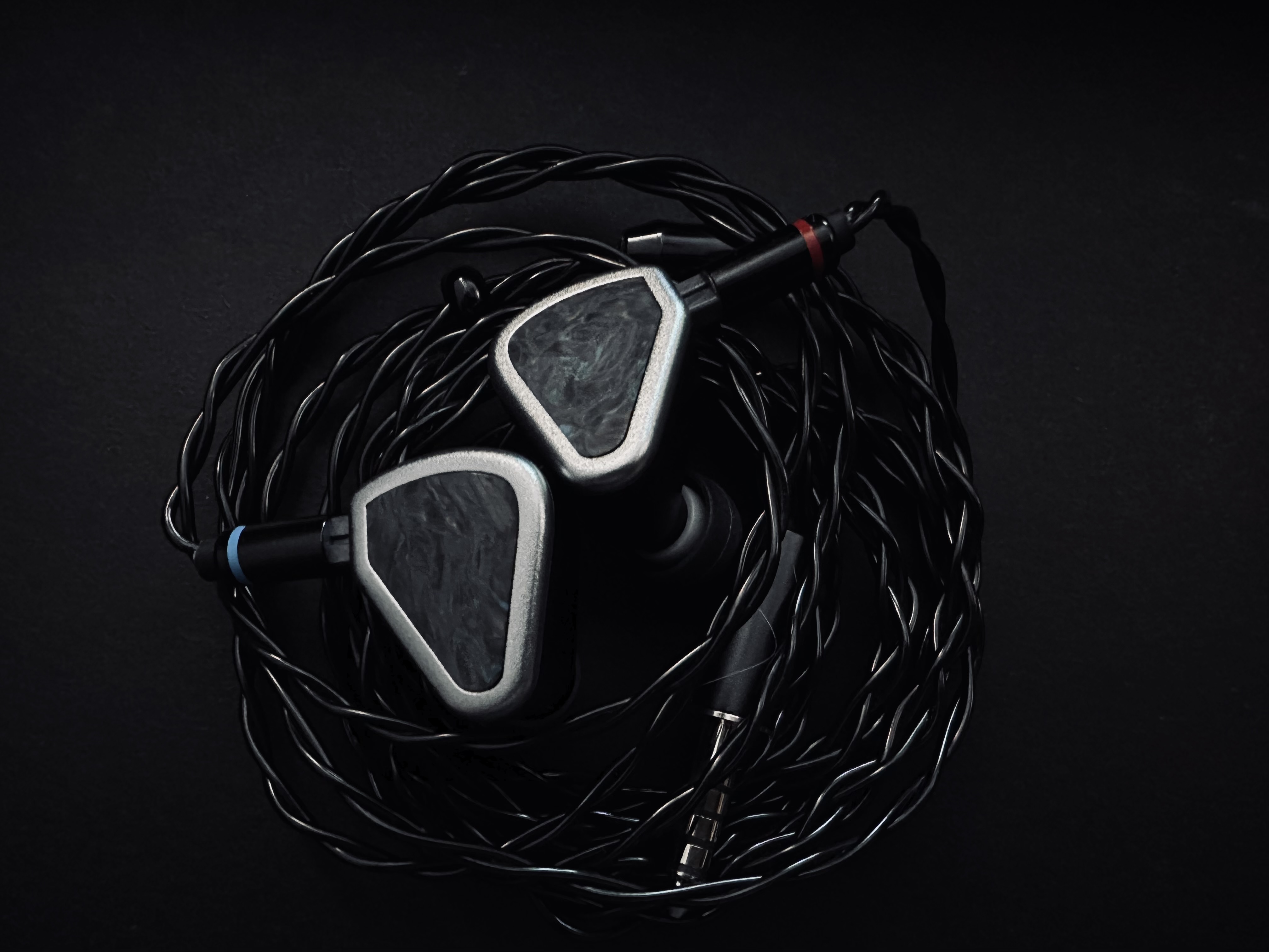
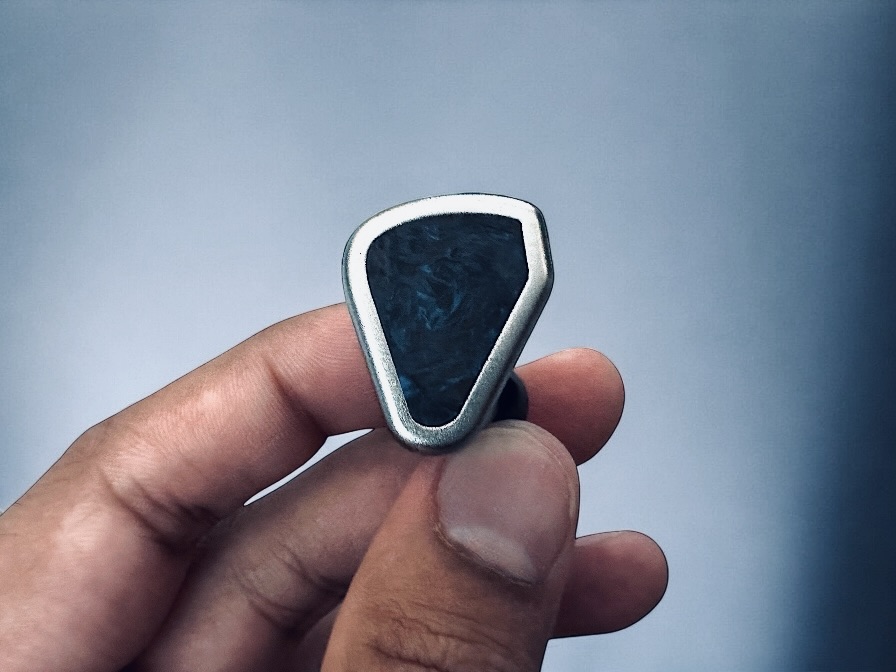
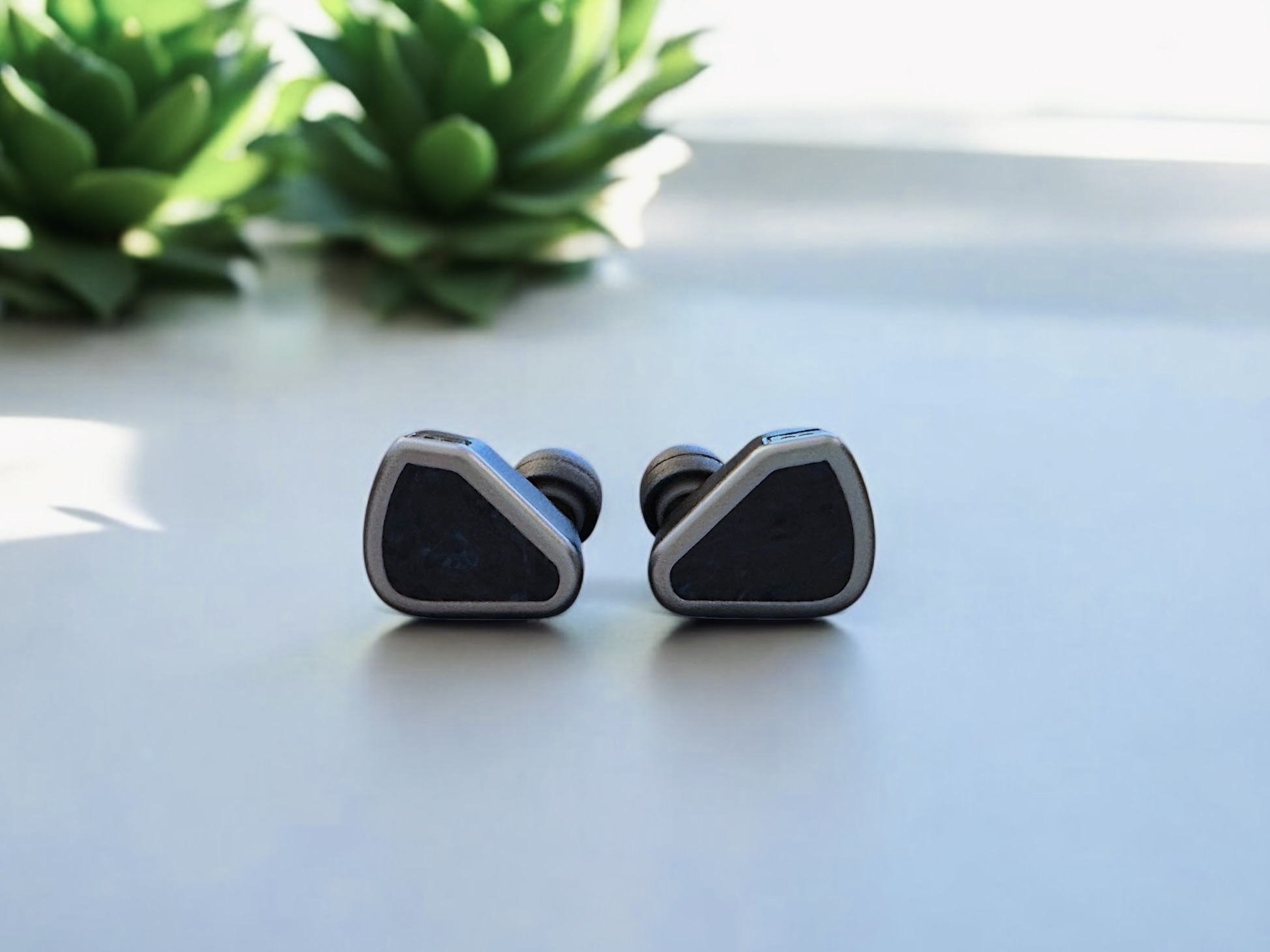
I haven’t had the chance to hear or test the Crimson but I’m told that Europa represents a subtle yet meaningful ergonomic refinement over the Crimson. The nozzle length has been extended from 3.6mm to 5.25mm and widened slightly from 6mm to 6.25mm to improve fit stability and ear tip retention. These changes are very welcome as it makes for an extremely comfortable and snug fit – a very welcome from the previous Symphonium IEMs I’ve tried. Even though I managed a pretty snug fit with all of them via tip rolling, they weren’t really as ergonomic, besides the Meteor. The IEMs are CNC-machined from solid aluminium, exuding a premium durable feel. The matte black finish with copper-accented branding lends a sophisticated aesthetic. I like it quite a lot!
Cable – The Dark Matter 7N OCC cable is well-constructed, supple, and free from microphonics. It’s a very nice utilitarian stock cable that does it’s job well but isn’t too premium looking to blow you away.
Sound Analysis.
Drivability – Europa needs a good bit of juice to be driven to louder volumes, so I’d recommend pairing it with a powerful dongle, even better a powerful DAP for best results. It’s also very sensitive to digital clipping, so I advise gain staging all the devices well so that it doesn’t distort.
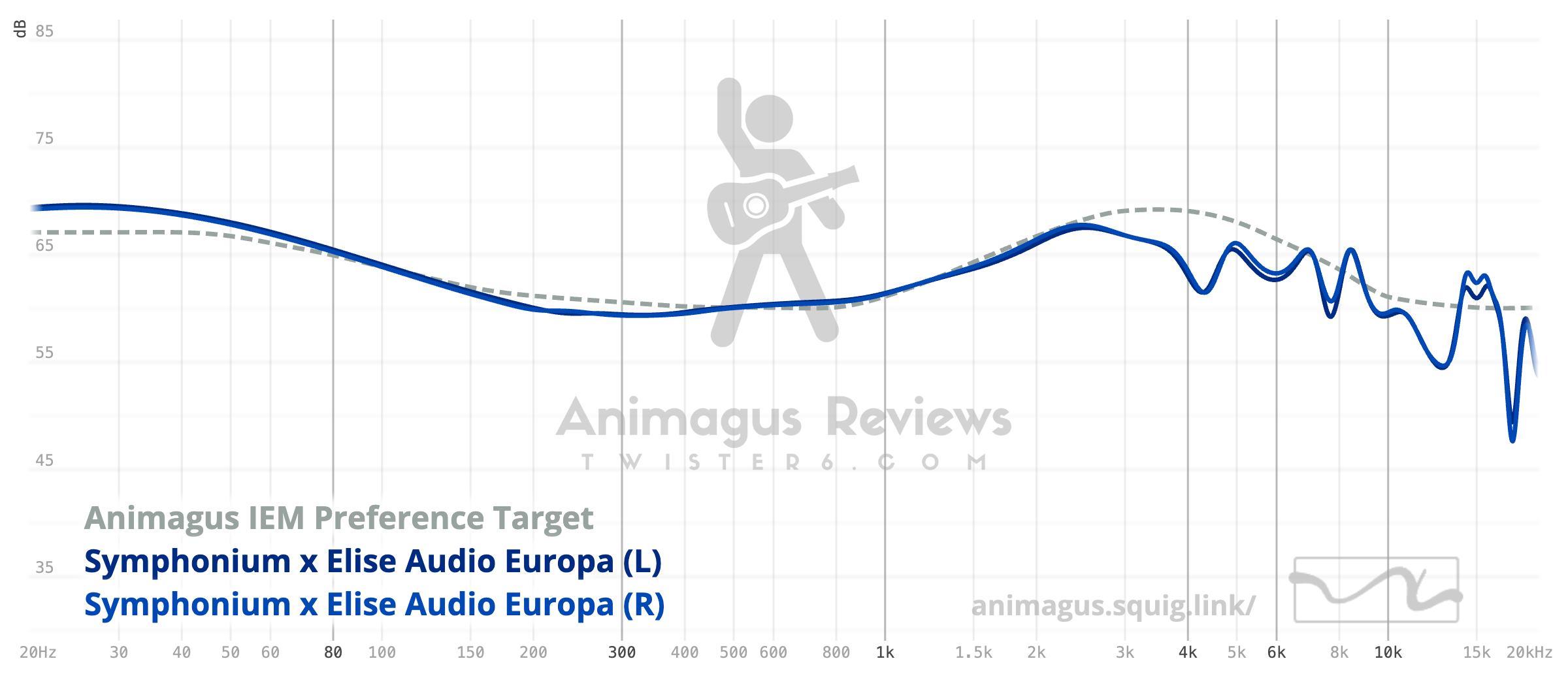
Europa presents a well-balanced sound signature with a refined U-shaped tuning. It has a very well done 10dB sub-bass shelf, linear lower-midrange, slightly recessed ear gain/upper-midrange of 6-7dB and very nice, mostly linear well extended treble response. Europa leans towards a very slightly relaxed treble response compared to what has become a standard W-shaped tuning, enhancing long-term listening comfort – especially for people who like to listen to music at ideal to slightly louder volume levels.
Let’s dig in deeper…
Bass – Europa’s bass is well-textured, controlled, and naturally extended. The sub-bass reaches deep, providing a solid foundation for electronic, hip-hop, and cinematic scores, but does not overwhelm the mix. It has a tactile quality, delivering rumble and impact without excessive bloom. Mid-bass is in line with how sub-bass boosted neutral IEMs are tuned – it is present but tastefully restrained, avoiding bloat that could spill into the mids. Bass notes decay naturally, making it particularly effective for genres like jazz, where double bass plucks sound organic. Compared to bass-heavy IEMs like the Kinera Verdandi, Europa’s bass is more refined and neutral rather than visceral. It lacks the outright slam and impact found in some dynamic driver setups but compensates with superior control and detail retrieval. Those who enjoy clarity and layering in the low frequencies will particularly enjoy the Europa.
Midrange – The midrange is where Europa truly excels. Lower mids are clean and slightly warm, adding body to male vocals and string instruments without veiling details. Upper mids are smooth and free of harshness, allowing female vocals and brass instruments to shine without becoming fatiguing. The overall tonality has a tilt towards warmth rather than strictly neutral due to its very slightly recessed 7dB ear gain instead of ideal 9-10dB required for neutrality. I would’ve loved if it didn’t have that 4.3kHz recession but compared to IEMs like the 64 Audio U6t, Europa has a slightly more forward upper midrange – making vocals more present than U6t, which instead presents them in a more relaxed and diffused manner. Europa’s separation and layering keep complex passages from becoming congested, making it a great option for vocal-centric music, acoustic recordings, and live performances – just one which is coloured and not as forward or accurate as a reference IEM.
Treble – Treble is detailed yet easy on the ears, making Europa an ideal choice for those sensitive to high frequencies without wanting to compromise on treble extension. Now I as a neutral leaning treble head would’ve been fine with 2-3dB more of high shelf or one in line with my preferences (see graph above) but I reckon Elise Audio were looking to make Europa an IEM which is safe and versatile for almost everyone, especially the treble sensitive. Cymbals have a natural decay without excessive splashiness, and string overtones are well-represented without artificial emphasis. There is ample air in the upper registers, contributing to an open presentation, though some may find it slightly less crisp than the standard W-shaped IEMs or even its own sibling, the Helios. Europa dials back the upper treble energy slightly, reducing fatigue over long listening sessions. In contrast, Helios has a sharper treble edge, which enhances perceived detail retrieval and more open sense of space but can become fatiguing with brighter recordings for the treble sensitive. Europa manages to strike a balance between clarity and smoothness, making it quite versatile across various genres.
Technical Performance.
The staging is spacious, extending well beyond the head but maintaining a realistic sense of placement. It’s not as wide as something like the U12t and segments above but very nice for its asking price. Depth is particularly well-executed, making orchestral recordings feel immersive. Instrument localisation is precise, allowing listeners to easily distinguish different elements in a mix though definition takes a bit of a hit due to the recessed ear gain around 4kHz. Genres with complex layering, such as progressive rock and film scores benefit greatly from Europa’s presentation and it handles both macro and micro-dynamics effectively, transitioning smoothly from soft passages to explosive crescendos. While not as aggressive as some flagship-tier IEMs, it maintains a satisfying level of engagement.
Comparisons.
Disclaimer – I sadly haven’t received nor heard the Crimson to be able to make the comparison and tell you what all was changed that lead to Europa. If I do get to try the Crimson in the future, I’ll be sure to add that comparison in here.
Symphonium Helios.
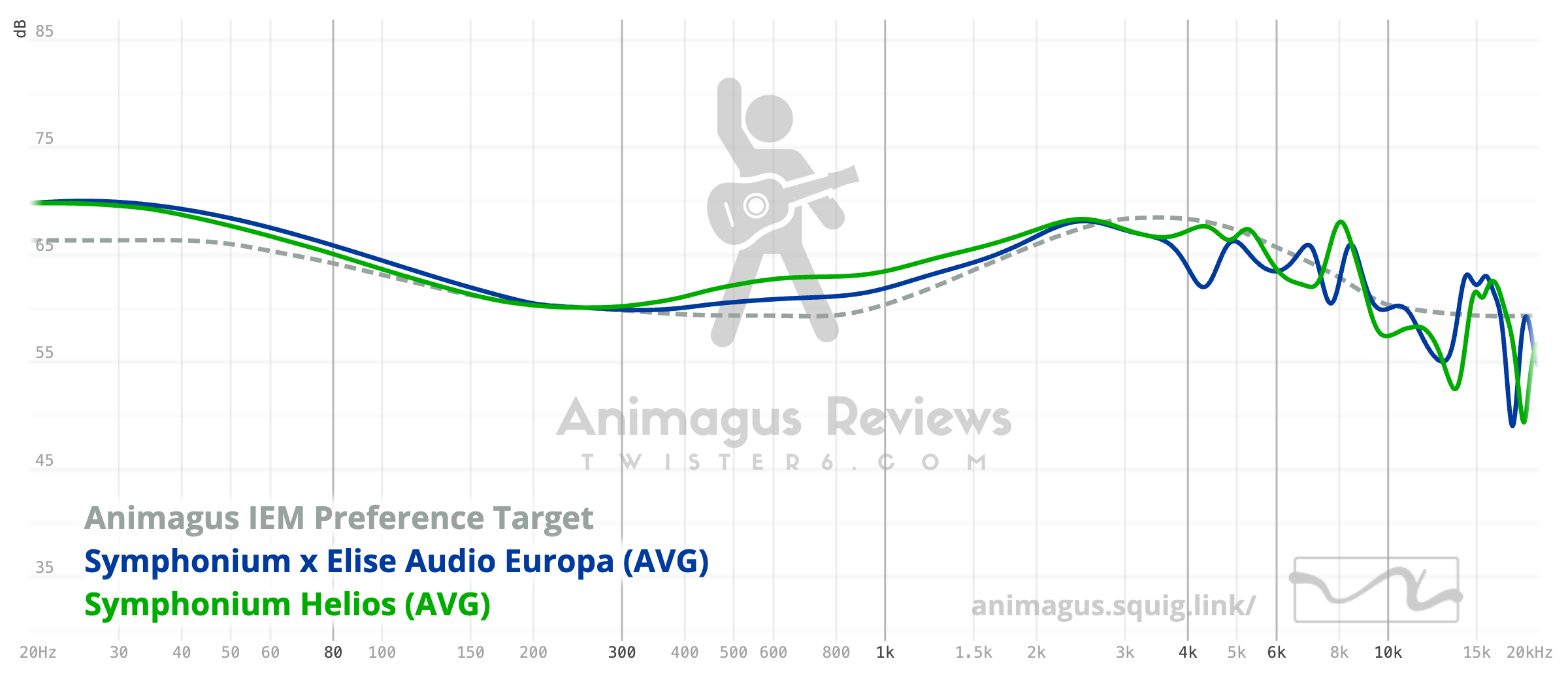
The Symphonium Europa is a well-balanced IEM that leans slightly toward a warm-neutral and organic tonality. It features punchy, well-textured bass, clean and articulate mids, and a treble that extends smoothly without veering into harshness. Its overall presentation is natural and refined, offering a sound that is neither overly aggressive nor sterile. In contrast, the Symphonium Helios takes a more analytical and energetic approach. It is leaner, sharper, and more vivid, with highly engaging dynamics and a reference-grade tuning that emphasises clarity and speed. While Europa’s tuning has a more organic sounding, a more DD like BA tuning in the larger scheme of BA implementations, resulting in a more natural and grounded bass response, the Helios actually has one of the best bass implementation seen from BA drivers in my opinion – resulting in impactful bass that can sometimes lack the physical weight and warmth of a dynamic driver but greatly compensates it with accuracy, feel and technical performance. Technically, the Europa delivers great imaging and separation with a soundstage that feels open without sounding artificial, which is also more forgiving, making it a better option for relaxed, everyday listening. The Helios, on the other hand, excels in speed, precision, and micro-detail retrieval, but its more detailed and exciting in its treble presentation and upper-mid focus all result in a very spacious and airy soundstage. Ultimately, Europa suits listeners who want a smoother, more balanced tuning, while Helios is perfect for those who prioritise detail and a super clean, studio-like presentation.
Custom Art FIBAE 7 Unlimited.
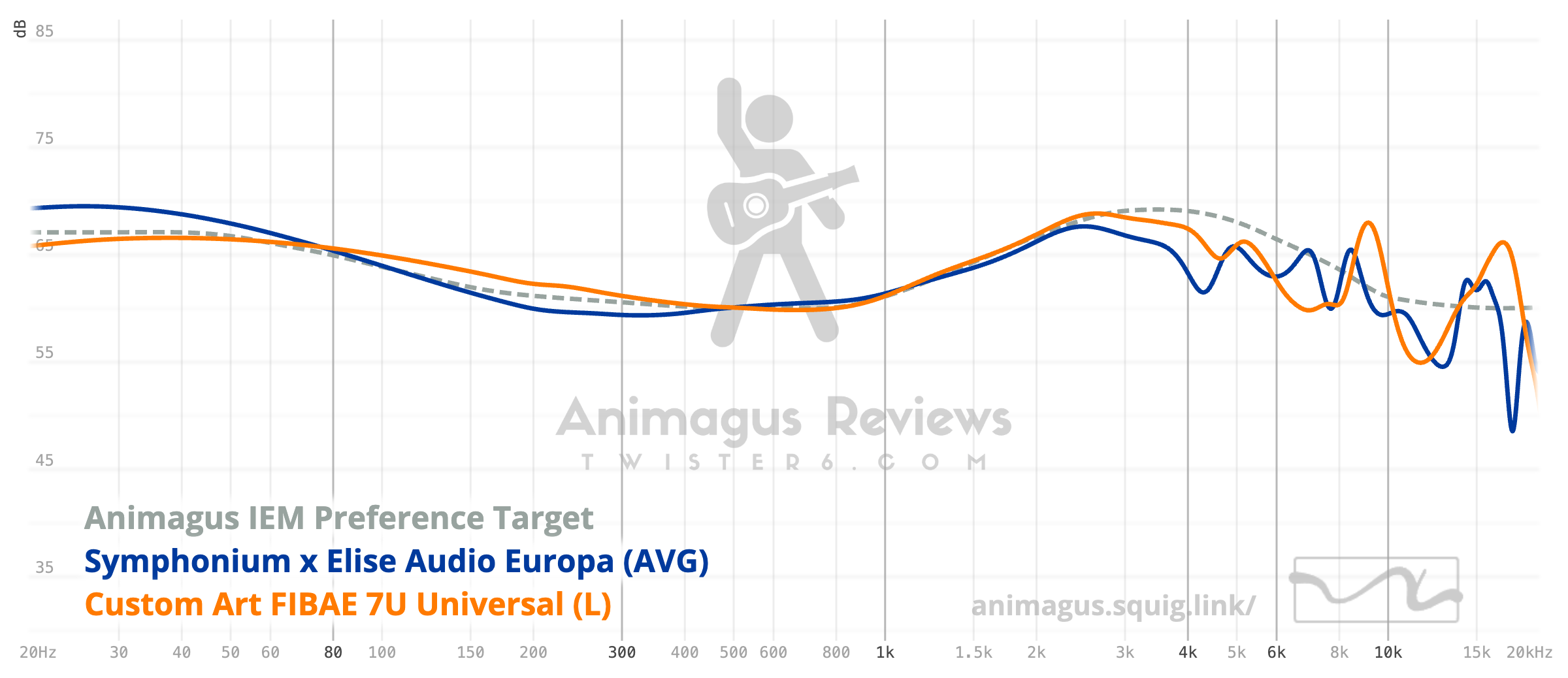
When compared with the Custom Art FIBAE 7 Unlimited, the Europa again holds its ground with a neutral tuning touched by a hint of tasteful warmth, featuring detailed treble and textured mids that steer clear of any harshness. The FIBAE 7 Unlimited, by comparison, has a more forward, neutral-bright leaning overall signature. F7U’s treble isn’t as linear or extended as Europa’s but maintains a 64 Audio Tia treble like airy yet smooth and easygoing nature. From a technical standpoint, the F7U’s transient response is cleaner, allowing it to deliver sharper imaging and better instrument definition. In contrast, Europa leans into musicality, offering a lush and relaxed presentation. If you’re after clarity, balance, and a more revealing character, F7U is the better fit. If you enjoy a warmer, bass-enhanced sound that leans into musical enjoyment, the Europa is a compelling choice.
BGVP Phantom SE.
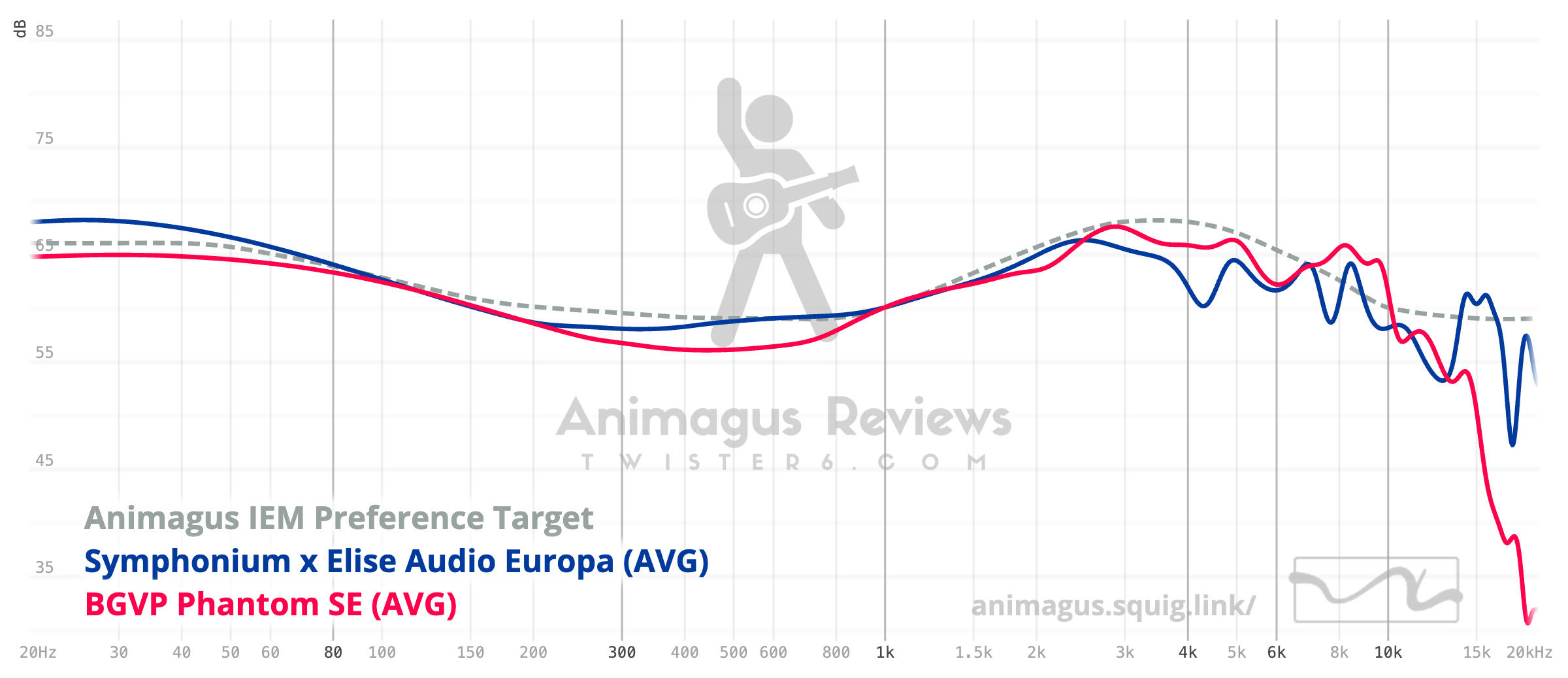
In a face-off with the BGVP Phantom SE, the Europa maintains its reputation as a neutral and natural performer with tightly controlled bass and precise imaging. The Phantom SE, however, brings an exciting and immersive sound with an expansive and engaging presentation that shines particularly in genres like electronic, cinematic scores, and pop. It delivers a vivid sense of space and dynamic range, making it feel larger-than-life. Technically, while the Phantom SE excels in stage width and dramatic flair, the Europa remains the more even-tempered and versatile all-rounder. Listeners who crave energy and spectacle may gravitate toward the Phantom SE, while those in search of accuracy and tonal authenticity will find Europa more satisfying.
Elysian Acoustics Diva.
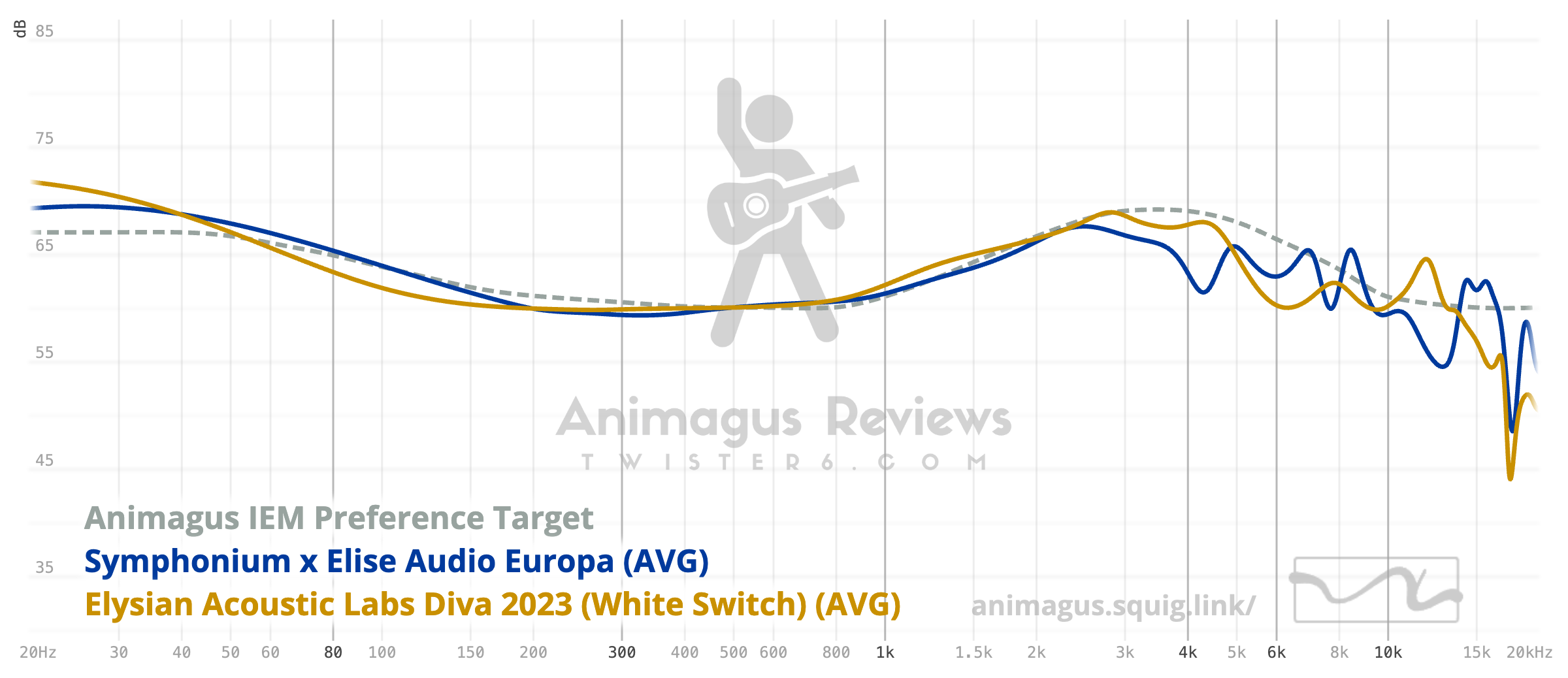
Both are different variations of sub-bass boosted W-shaped signatures but Europa boasts superior resolution in the treble and a more natural bass presentation. The Diva, by contrast, emphasises sub-bass with richer note weight and a smoother top end. The Diva’s standout feature is its emotional midrange presentation – vocals feel more lush and intimate – whereas the Europa excels in overall balance and technical control and has a more open and bigger stage. The Diva can sound warmer and more romantic, which some listeners may prefer for vocal centric or acoustic genres. However, the Europa has greater extension on both ends of the spectrum and a more open stage, lending it better versatility across genres.
Elysian Acoustics GAEA.
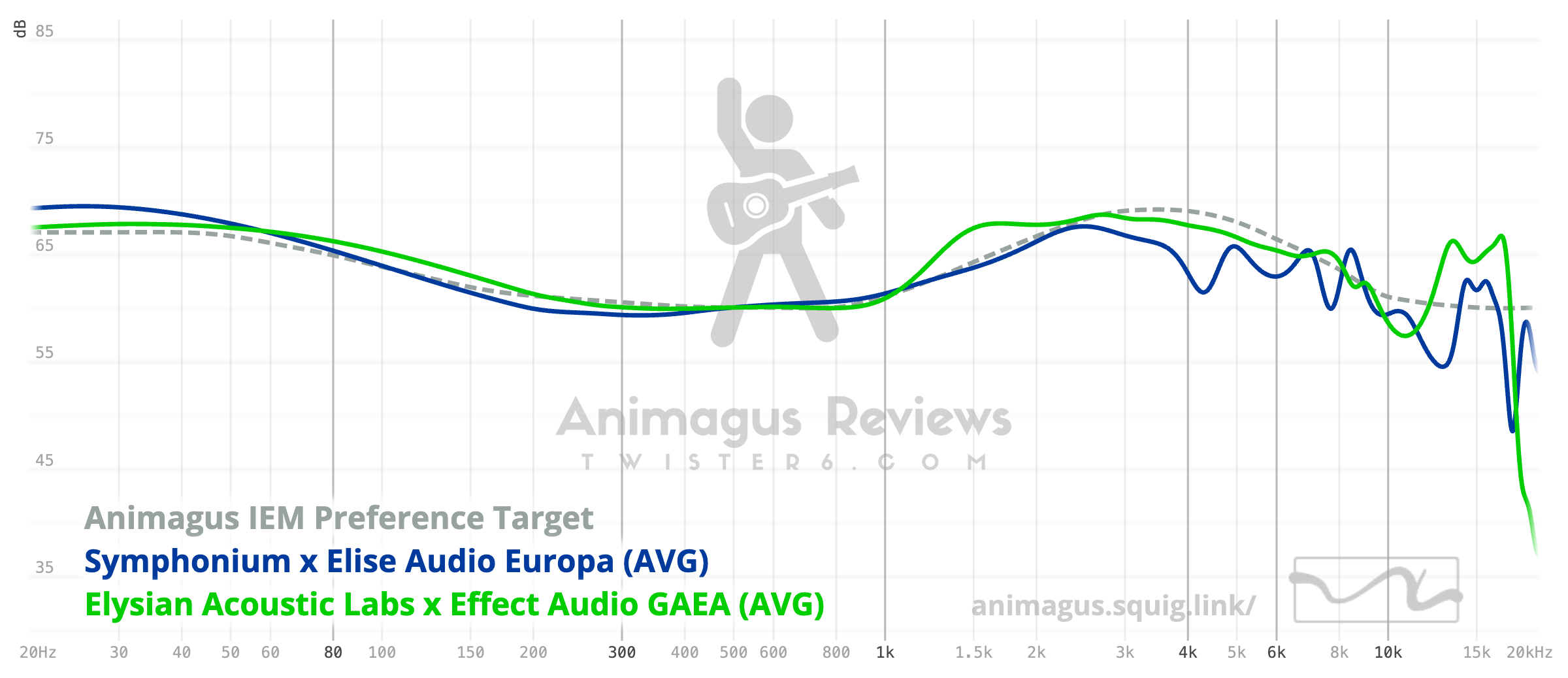
When comparing the Elysian Gaea to the Europa, the Gaea comes across as more energetic and micro-detailed. It delivers aggressive, explosive dynamics, particularly in the treble and upper mids, and showcases subtle reverb and spatial cues with striking realism. The Gaea is particularly well-suited for fans of technical, fast, and articulate presentations. However, this can come at the cost of long-term listening comfort, as the Gaea’s upper frequencies can occasionally verge on aggressive depending on the recording. Europa, while not as overtly technical, is more cohesive and smoother in its delivery. It maintains great resolution and clarity but wraps it in a tonality that feels more natural and non-fatiguing, making it a safer all-rounder.
Kinera Verdandi.
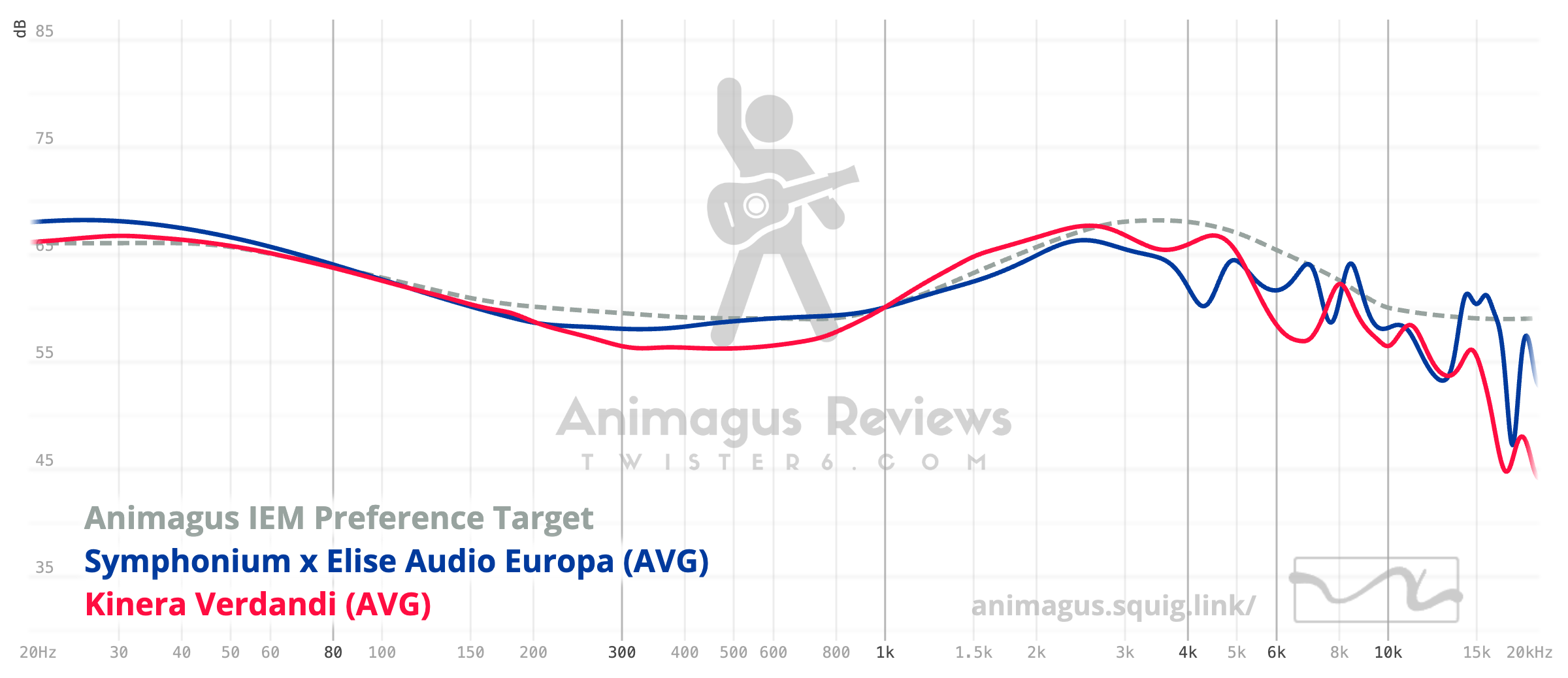
Kinera Verdandi is perhaps the most coloured of the group, offering a warm W-shaped tuning with impactful bass, elevated mids, and smooth treble. It creates a cinematic, holographic soundstage that feels grand and immersive. This tuning favours punch and dynamism over neutrality and can make modern genres like EDM, pop, and hip-hop sound thrilling. However, it sacrifices some tonal accuracy and refinement compared to the Europa. While the Verdandi is fun and dynamic, the Europa’s more even-handed approach provides better tonal balance, superior layering, and greater versatility. It delivers its excitement with polish, whereas the Verdandi aims for dramatic flair.
64 Audio U12t.
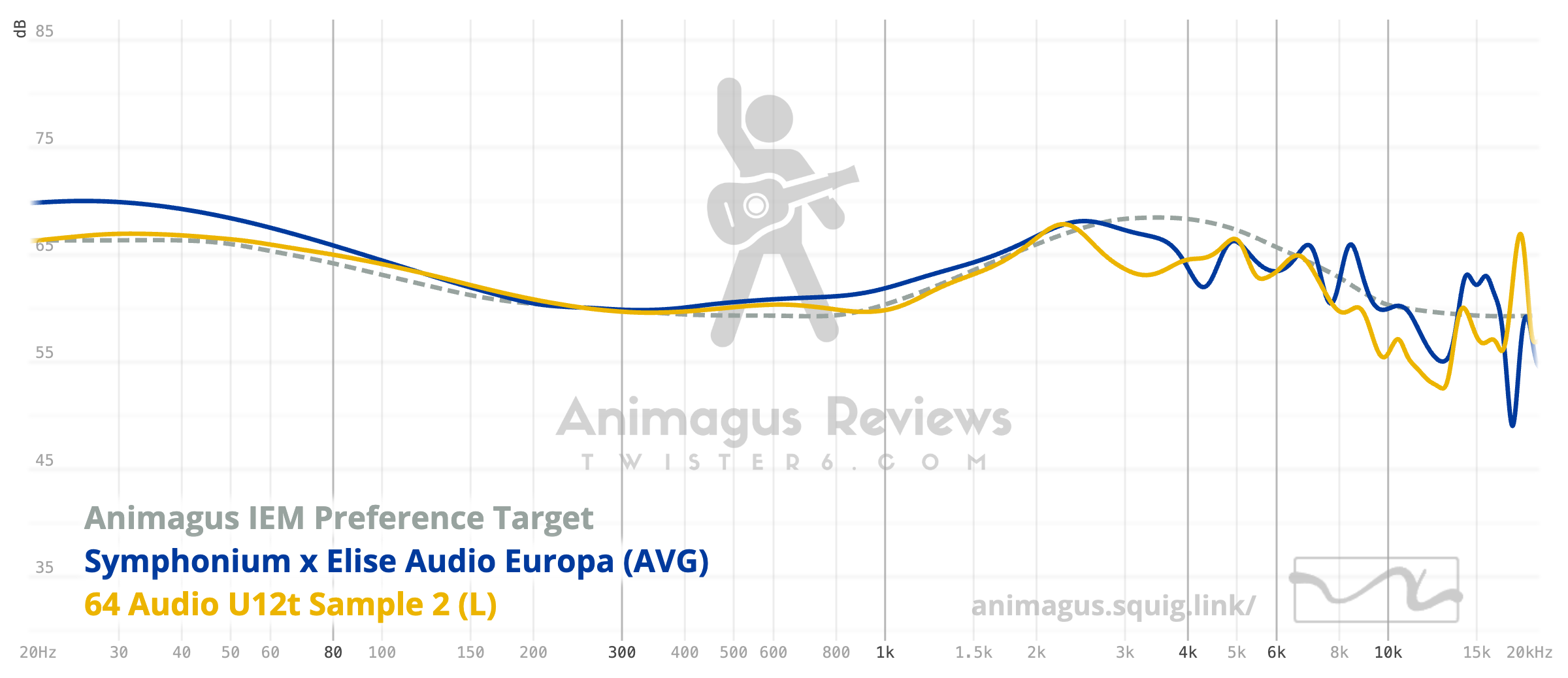
When put up against the 64 Audio U12t, the Europa again emphasises a slightly warmer tone with tighter, more controlled bass and a smoother upper-treble response compared to 64 Audio’s characteristic airy Tia treble. The U12t leans into a fuller low end, giving it a weightier sound. Both are well-rounded versatile IEMs suited for a variety of genres, thanks to their musical yet technically proficient tuning. The U12t edges ahead in micro-detail retrieval due to its Tia treble, making it the more detail oriented option but only marginally. The Europa offers a more natural timbre while the U12t deeper, more satisfying bass impact. Both will work for people who prefer critical listening with musical tuning.
Softears RS10.
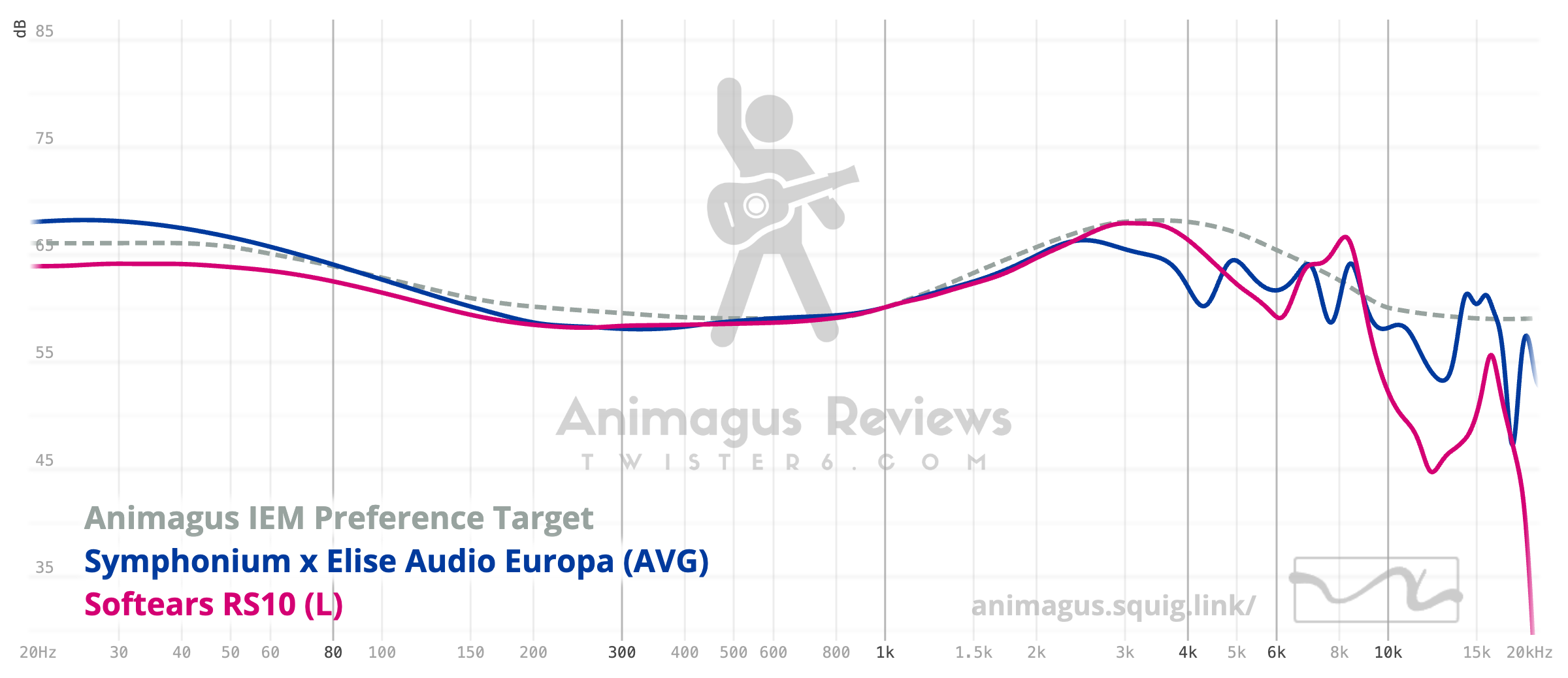
Softears RS10, this IEM is known for its reference-level tuning and neutral presentation as it prioritises clarity, transparency, and detail retrieval. Compared to the Europa, which has a slightly warm tone with punchy bass and an airy treble, the RS10 sounds more neutral and more detail oriented. The RS10 excels in micro-detail and tonal balance across the spectrum, making it ideal for studio use or critical listening, while the Europa leans more musical and emotionally engaging. The Europa’s tuning is more forgiving and enjoyable for long sessions, with a better sense of dynamic punch and fullness in the low end. Where the RS10 can feel a bit too neutral for lovers of colour, the Europa will injects soul and rhythm for the casual listeners.
Final Verdict.
Symphonium x Elise Audio Europa represents a well executed signature, offering an engaging and balanced sound signature with capable technical performance that helps it stand out strong in a flood of options in the $1000-2000 segment. It might not be the one to do it all in this segment for everyone but the overall balance and musicality are a standout feature – making it a compelling choice for people who like versatile IEMs. While its fit remains subjective and its upper-midrange and treble tuning may not appeal to detail-oriented listeners, Europa does excel in delivering an emotionally engaging and technically competent experience without fatigue.
On a different note, while I do know Symphonium have 2-3 small driver count hybrid IEMs (I reviewed one of them, the Triton, a few years back), I think there are a bit too many 4BA IEMs in their lineup (Meteor, Helios, Helios SE, Crimson and Europa). As a friendly suggestion, I think it’s high time they move away from their go-to 4BA driver combo and try their hands at more varieties of driver combinations and signatures – maybe tri-brids and quad-brids with ESTs and BCDs next? Otherwise it feels like Symphonium just keep retuning the same IEM again and again. Maybe they just need a slight push ‘coz Symphonium sure have the talent to make it happen in my opinion and I personally would be quite eager to see what they can do with a variety of drivers.
Coming back to Europa, for those seeking a high-performance IEM with a well done warm W-shaped signature that has a very natural tonality and excellent musicality – Europa is a wonderful all rounder.
Gear used for testing and review.
- Desktop setup – Universal Audio Apollo X4 + DROP THX AAA 789 Amp
- DAPs – iBasso DX300 | iBasso DX260
- Phone – Apple iPhone 14PM + iBasso DC06 Pro and Tanchjim Space
Artists I like and listen to.
- Rock – Foo Fighters, Linkin Park, Switchfoot, Imagine Dragons, Daughtry, Green Day, MuteMath, X Ambassadors, Dave Matthews Band, Vertical Horizon, Our Lady Peace, Lifehouse, Fall Out Boy, Breaking Benjamin, Muse, ACDC, Audioslave, Rage Against the Machine, Biffy Clyro, I Am Giant, Normandie, Paramore, Slash & Guns N Roses, 3 Doors Down.
- Pop Rock – John Mayer, Coldplay, Paul McCartney, James Bay, Hunter Hayes, Niall Horan, Keith Urban, The Bros Landreth, Bryan Adams.
- Progressive Rock/Metal – Porcupine Tree/Steven Wilson, Karnivool, Tool, Dead Letter Circus, Periphery, Lamb of God.
- Pop/Soft Rock – Ed Sheeran, Adele, Taylor Swift, OneRepublic, The Script, Gavin James, Magic Man, Maroon 5, Bruno Mars, Charlie Puth, Dua Lipa, The Weeknd, Oasis, Panic! At the Disco, TwentyOne Pilots.
- EDM – Chainsmokers, Zedd.

 Twister6 Reviews