
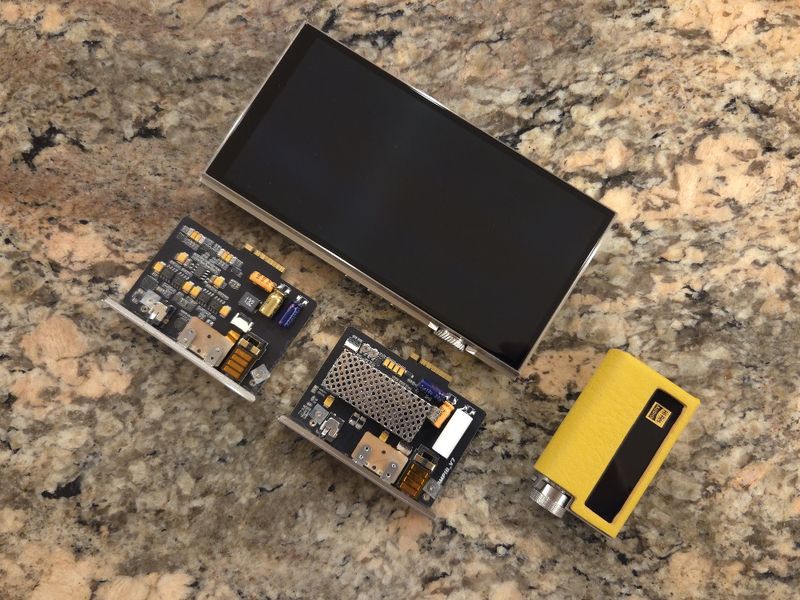
Pair-ups.
Here is how the DX340/AMP16 pairs with various IEMs and headphones. All were connected to the 4.4mm BAL output and tested in high gain unless otherwise noted, while comparing sound performance between Class AB (solid-state) and Tube modes. I will also add the comparison notes for each pair-up using Nunchaku. Furthermore, I also tried the DC-in amp boost with headphones since both are more demanding. For IEMs, considering the portable nature of the application, even carrying the external battery could be an overkill, though it is an option.
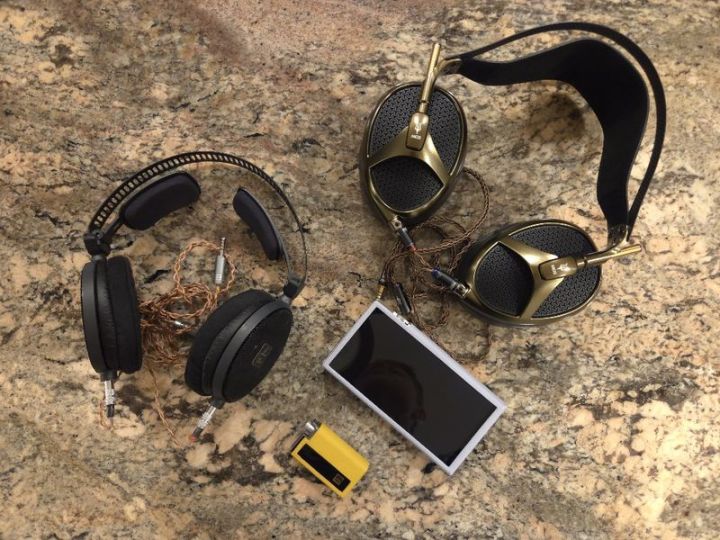
Headphones.
Audio-Technica ATH-R70x – These 470-ohm open-back headphones are generally not easy to drive, but I had no issues even at 50/100 (AB) and 53/100 (Tube) modes with plenty of overhead volume margin. The soundstage presents above-average width in both modes, with more depth/height. But the imaging is 3D holographic. The sound signature is balanced with either mode, and the tonality is natural, organic, and still very detailed. The bass performance is quite good, emphasizing a textured sub-bass rumble, with punchier mid-bass in AB and a softer mid-bass in Tubes, creating a more laid-back sound presentation in the latter. The mids are natural, detailed, and musical, a little smoother, more textured in Tube, and more revealing and less colored in AB mode. Either mode works fine with R70x, but I preferred AB mode with 340/16 without an external DC supply. Connecting the DC-in had an impressive improvement in R70x mid-bass punch when in Tube mode, and made AMP16 Tube mode more enjoyable.
I was a bit worried if Nunchaku could drive R70x loud enough. That wasn’t an issue, though I had to push the volume to about 81/100 in high gain. Consistent with my AMP16 vs Nunchaku analysis, with a dongle, R70x mids’ tonality is less colored and more revealing, and the soundstage is wider, but only wider in AB mode. Nunchaku in Tubes mode has a similar soundstage width as with AMP16. The imaging remained 3D holographic. It pairs up nicely with either AMP16 or Nunchaku, and to my surprise, the difference in tonality between AB and Tubes with Nunchaku was not that big.
MEZE Audio Empyrean – I heard an average-width soundstage with more depth/height than width in this pair-up. The imaging was average as well. The sound signature leans towards balanced in either mode, featuring natural, smooth, and detailed tonality, a little brighter up top. The bass has a deeper sub-bass rumble and a rounded, softer mid-bass punch. The punch feels slightly stronger and faster in AB mode, whereas in Tube mode, it appears slower, resulting in a more laid-back presentation. Despite the tonality being detailed up top, the vocals of Empyrean had a bit more thickness in the lower mids, making them sound more organic in either of the modes. With DC-in, the bass became tighter and more articulate, and its decay was shorter, creating more contrast with lower mids, improving the vocals’ clarity. The background was also darker with DC-in. I preferred AB mode with DC-in in the pair-up with Empyrean, and found DC-in to be necessary here.
Consistent with my AMP16 vs Nunchaku analysis, with a dongle, Empyrean mids’ tonality is less colored and more revealing; however, the soundstage remains the same. The difference in tonality between AB and tubes with Nunchaku was not that big either, here with just a bit more body in the lower mids. I wasn’t too crazy about Nunchaku with Empyrean and preferred it more with AMP16 and DC-in. It sounded too relaxed for my preference with either Nunchaku or AMP16 (without DC-in).
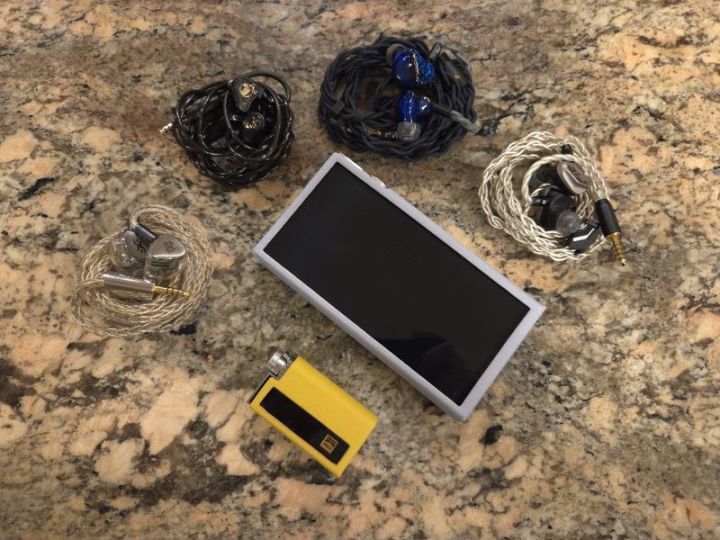
IEMs.
Aroma Jewel w/FT – The soundstage has an expanded width, with a bit more depth and height than width, and with holographic imaging in either mode. In AB mode, the sound signature is well-balanced, with a natural, neutral tonality, faster, punchier bass, clear, detailed mids, and added sparkle in the treble. The tuning is more neutral but still quite resolving and dynamic. Switching to Tube is akin to flipping a sound switch. The bass becomes rounder, with the mid-bass being a bit slower and more relaxed, giving the sound a more analog presentation. It has smoother mids with added body and texture while maintaining the same clear sparkle in the treble. The sound remains resolving, but in a more natural, organic manner, preserving that resolution thanks to the treble sparkle.
Consistent with my AMP16 vs Nunchaku analysis, with a dongle, Jewel’s mids’ tonality is less colored and more revealing, and the sound is a bit wider. It pairs up nicely with either AMP16 or Nunchaku.
FirAudio RN6 – I experience a big holographic soundstage expansion and imaging that remains similar in both modes. The sound signature of the RN6 in either mode is L-shaped, emphasizing more power and weight in the RN6 kinetic driver, producing a bass reminiscent of powerful floor-standing speakers. In AB mode, the bass is hard-hitting and fast, elevated above the mids and treble, featuring a quick, punchy mid-bass with shorter decay of notes; the mids are clear and detailed, while the treble is crisp and snappy. When switching to Tube, the mid-bass becomes slower and more rounded, and gains a bit longer decay. The lower mids gain added body, causing the bass and mids to blend without the same precise separation as in AB mode. The treble remains crisp and snappy, assisting the upper mids in retrieving details. While the mids were pulled more back in Tubes modes, I enjoyed the coherence of bass/mids blending in and the natural organic tonality of the sound without the intensity of faster mid-bass punch. Either mode works well with RN6, though I had to lower the amp gain to mid to reduce some background hissing.
Consistent with my AMP16 vs Nunchaku analysis, with a dongle, the mids’ tonality of RN6 is less colored and more revealing; however, the soundstage has a similar width. When paired with RN6, I preferred the Nunchaku in tube mode over AMP16/tube because it gave its mids more clarity. This is my preference; either one is fine, but more natural clarity in the mids gives faster speed to the bass.
Elysian Acoustic Annihilator 23 – I notice an expanded soundstage, spherically spaced and spreading in all three directions, a little wider in AB mode. However, the imaging doesn’t quite achieve a 3D holographic level, though all the sounds have fine separation. With some sources, the Anni can sound more U-shaped due to greater emphasis on sub-bass and upper mids/treble. With AMP16 in AB mode, the sound is more balanced, faster, and punchier. The bass has a deeper sub-bass and more punch in the mid-bass with a faster attack. The upper mids are clear and detailed, while the treble is crystal clear, extended, and non-fatiguing. Switching to Tube provides a more laid-back presentation of the sound. The depth and texture of the sub-bass are accentuated, while the mid-bass attack speed is reduced. The mids are smoother, warmer, and more textured. The treble remains airy and extended, but the treble perception is less accentuated with tubes due to an added thickness in the mids. As expected, due to Anni’s sensitivity, I had to raise the volume a bit higher.
Consistent with my AMP16 vs Nunchaku analysis, with a dongle, Anni’s tonality in the mids is less colored and more revealing, and the sound is a bit wider. It pairs nicely with either AMP16 or Nunchaku, but I preferred AMP16 with its more musical mids coloring.
Vision Ears VE10 – With the VE10 being one of my more sensitive IEMs, I had to lower the AMP gain to a low level because of the background hissing. Once the gain is reduced, while DAC gain remains high, you can hardly hear any hissing. The soundstage expansion here is more focused, having more depth than width, but the imaging remained holographic, typical of the VE10 with other pair-ups. In the AB setting, the sound signature is balanced, offering a fuller body and a natural, detailed tonality. The sub-bass rumble here has more weight alongside a punchy mid-bass; the mids sound natural and detailed, and the treble is clear, refined, and natural. In tube mode, the mid-bass is more rounded, not as fast or punchy, and the mids become more organic and smoother while remaining natural and detailed. I enjoyed the VE10 in both modes. It likely depends on the type of music I’m listening to, whether I want a faster, punchier sound or a more laid-back, smoother tonality.
Consistent with my AMP16 vs Nunchaku analysis, with a dongle, VE10 tonality in mids is just a bit less colored and more revealing. But the hissing and background noise were too much for me, even when I switched Nunchaku to low gain. With VE10, it is DX340/AMP16 only.
Bonus: iBasso Jr KLEE
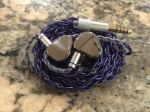
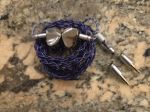
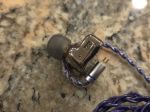
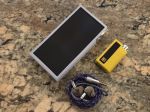
These new iBasso single DD IEMs, priced around $80, feature solid stainless-steel shells with a nice heft without feeling too heavy and a comfortable fit. Finally, I see iBasso IEMs with a standard 2pin connector. They also have a durable silver-plated copper cable in purple finish and a modular 3.5mm/4.4mm plug. Inside is a 10mm dual magnetic DD with a Lithium-Magnesium alloy diaphragm. These 22-ohm impedance and 112dB sensitivity IEMs are very easy to drive.
Regarding the sound, KLEE has a balanced, detailed tuning with a clear neutral tonality. There is no accentuation on any specific frequency band. Thus, a tuning is balanced and coherent, without any coloring, to keep the tonality neutral and naturally resolving. The sound is very clean, clear, and detailed. The bass goes deep with a moderate amount of rumble and a nice punchy mid-bass, which is not too elevated or flat. Lower mids are neutral, maybe a bit north of it, without any additional body, while upper mids are slightly forward with the perfect amount of pinna gain to make the vocals and instruments stand out with natural clarity. The treble is well defined, without exaggeration or crunch, not too extended or airy. It has a moderate emphasis on lower and mid treble peaks to help with resolution and sound clarity.
The soundstage is round and naturally expanded in all three directions. There is no holographic exaggeration, making you feel like you’re in a studio rather than a stadium or a concert hall. The layering and separation of the instruments and vocals are pretty good. Every instrument is easy to distinguish in the mix, though there is less air between the layers of the sound, giving you a more neutral sound performance.
When you switch from AB to tubes, the soundstage width shrinks slightly, the lower mids become somewhat thicker, and the mids become smoother. In tube mode, the sound is still clear and detailed but a bit less resolving and more laid-back in its presentation. I preferred KLEE in AB mode to gain more punch, speed, and resolution. It worked great with DX340/AMP16 or Nunchaku, but I preferred Nunchaku in Class AB output since it offered less coloring and more sound transparency.
Conclusion.
As I already said in the intro, many iBasso fans looked forward to the release of the AMP16 with dual Raytheon JAN6418 tubes, and they will not be disappointed. Unlike the previous NuTube amp modules from iBasso, this new amp card is like getting 2 DAPs in one because you get two distinct sound tunings in one card (solid-state Class AB and dual Raytheon vacuum tubes) without the need to remove and exchange modules. Plus, you still have the option to use other amp modules, which allows you to upgrade the sound of your DAP at the cost of a new card.
The new AMP16 card is part of their latest series of AMP modules. It has an external 12V DC input option that bypasses the internal analog battery and powers the amp circuit at a higher voltage, bringing it closer to a desktop performance. AMP16 has a powerful output, and it nearly doubles in Super Gain when DC-in voltage is applied, allowing you to drive more demanding headphones and improve the technical performance of easier-to-drive IEMs.
And when it comes to its hybrid dual amp output, the Class AB mode delivers a clear, detailed, dynamic, faster sound while offering a natural, neutral, and balanced tonality with less coloring in the mids. When switching to tubes, you can hear more warmth in the sound, especially a smooth texture in the mids. The sound becomes more relaxed and laid-back with tubes, characterized by a rounded and slower mid-bass punch and a more organic texture in the mids.
For those who don’t have a DX340 or prefer something more lightweight and portable to enhance the sound of their smartphone or laptop, Nunchaku offers a nice alternative to AMP16. However, don’t expect an identical sound performance since the AMP16 sound will be based on the DX340’s 1-bit discrete DAC design (inherited from their D16 DAC/amp). In contrast, Nunchaku is based on the different tonality of 2x CS43198 DACs.
But either way, if you are craving a portable source that uses real vacuum tubes to enhance your sound with more analog texture, warmth, and smoothness and to have the option to switch to a solid-state output without switching between amp cards or dongles, either the AMP16 amp card or their standalone Nunchaku dongle will help you get there without a need to spend a fortune on a desktop setup.

 Twister6 Reviews