

Sound Analysis.
The sound analysis of the RU9 was done using various IEMs and headphones listed in the pair-up section of the review, while playing a selection of test tracks such as Agnes Obel’s “The Curse,” Sandro Cavazza’s “So Much Better” (Avicii remix), C-Bool’s “Never Go Away,” Ed Sheeran’s “Shape of You,” Alan Walker’s “Darkside,” Ariana Grande’s “Break Up With Your Girlfriend,” Galantis’s “Hunter,” Iggy Azalea’s “Black Widow,” Indila’s “Boite en Argent,” Dua Lipa’s “Love Again,” Counting Crows’ “Big Yellow Taxi,” David Elias’s “Vision of Her,” and Michael Jackson’s “Dirty Diana.” I had at least 100 hours of burn-in time before I began my analysis.
I prefer to describe the DAP/DAC/source sound by comparing it to other DAPs/DACs/sources and pairing it with different IEMs/headphones, as they don’t have a distinct sound on their own. We perceive the sound through connected IEMs/headphones or by comparing the differences in sound relative to source comparisons using the same pair of IEMs/headphones. This is my subjective opinion, based on my analysis and comparison of the RU9 sound. You will gain a better understanding of the sound quality of these sources in the following Comparison and Pair-up sections of the review.
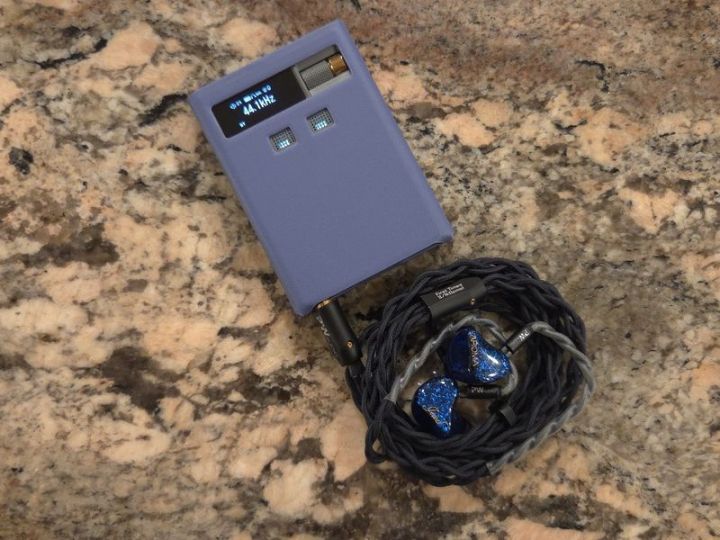
Solid State (SS) – smoother natural tonality, good balance between sub-bass rumble and mid-bass punch, though mid-bass sounds a bit softer here. As a result of a deeper sub-bass rumble and a bit softer mid-bass punch, bass sounds a little more relaxed. Mids are more neutral in coloring, being natural and more transparent. Treble has natural crunch, with a good extension and plenty of air. Additionally, I hear a round, wide-open soundstage with nearly holographic imaging.
SS vs Classic Tube – the weight of the bass scales up due to a stronger and tighter mid-bass punch. Additionally, I notice more body in the lower mids, which adds more color and texture to the mids and vocals. There is not as much change in treble, but the perception of the treble in contrast to a stronger bass and fuller body mids adds a bit more sparkle to the mid-treble. Despite a tighter mid-bass punch, the fuller body of lower mids keeps the overall sound presentation slightly laid-back.
Classic Tube vs Modern Tube – similar to Classic Tube, the weight of the bass scales up due to a stronger and tighter mid-bass punch. However, unlike the Classic mode, the decay of notes is shorter here, which makes the sound faster and tighter. There is also added body and coloring in the lower mids, on a level somewhere in between SS and Classic, adding more body than in SS, but not as much as in Classic. As a result, I can hear a similar analog texture in the mids and vocals, but with less coloring. The change in the mids of the Modern tube mode creates a better separation between the bass and mids compared to Classic mode. The upper mids/treble in Modern mode is similar to Classic mode, where I hear more air and crunch in contrast to SS. One noticeable change here is a blacker background, which gives the impression of less “tubey fuzziness,” thereby improving the vertical dynamics of the sound.
Similar to my observation with other Cayin releases that offer SS/Classic/Modern triple-timbre mode, switching from SS to Classic makes the mids and vocals sound similar to switching from Class AB to Class A, giving them more body and texture. The Modern tube mode falls somewhere between the SS and Classic modes. However, unlike those other releases where I typically favored Classic, here I preferred Modern, which offers the benefits of Tube mode, with deeper and tighter bass, and more textured mids, without compromising on speed or making the sound too laid-back. Another interesting observation is that Tube mode added a stronger impact to the mid-bass punch compared to Solid State mode, which is the opposite of what I have found in other tube-based DAPs. Additionally, both Tube modes didn’t compromise on making the top end of the sound too smooth, while still maintaining the natural resolving tonality of the upper mids and treble.
DC IN (Hyper mode)
Volume change (approximately 4-5 clicks, equivalent to a 3dB boost) is observed due to an increase in power output, a slight expansion in the perception of the soundstage, and a blacker background with faster transient response of the notes on and off (details popping out more quickly from the blackness). Additionally, I’m noticing a slight improvement in vertical dynamics. There is little change in tonality compared to the IEMs I tested it with, but I do see an improvement in technical performance as I listen to it. Along with Modern Tube, this was my favorite mode of operation.
As you can see from the display below, even in DC IN mode, the internal battery continues to charge. But I do wish there were a display indicator to show that you are in DC IN mode.

3.5mm vs 4.4mm
I hear a lower volume and slightly reduced width of the soundstage when going from 4.4mm to 3.5mm. Other than that, tuning and tonality are nearly identical.
Hissing and interference
I tested with VE10 and CFA Solaris, and found no noticeable hissing from 4.4mm BAL in High Gain. Do I hear a pitch-black background with these super-sensitive IEMs? Perhaps not exactly, but these both tend to hiss noticeably higher with many different sources, while no hissing was detected using RU9 as a source.
Additionally, I tested RU9 with various IEMs, piggybacking RU9 onto my S25’s magnetic case via USB-C and wireless (LDAC), and never experienced any EMI interference. Of course, the listening environment and public location will vary among users, and I don’t discount that some may perceive it differently. In my case, I had no issues with RU9 attached to a MagSafe power bank, next to my smartphone, laptop, and wifi router, used in BT wireless mode.
Comparisons.
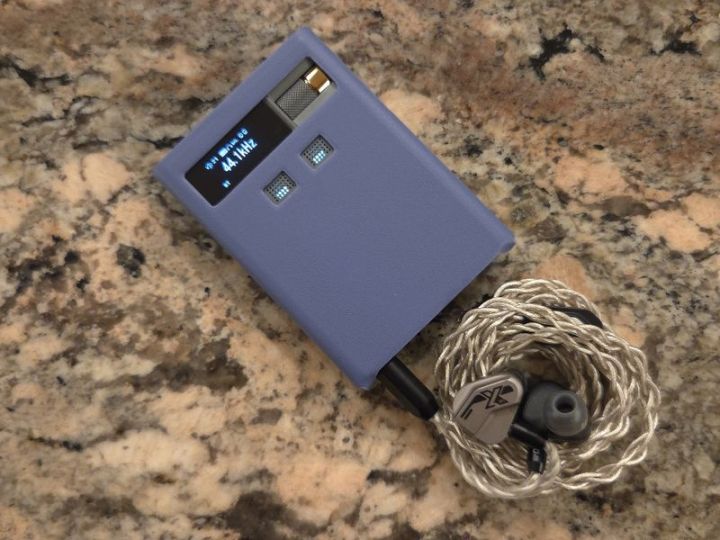
I used Aroma Jewel in my comparisons, ensuring volume was matched while listening to the same test tracks. Additionally, I’m primarily focusing on the differences in sound as I perceive them. These are my quick analysis notes.
DAP Comparison
RU9 (Modern Tube, DC mode) vs iBasso DX180 – The RU9 offers a larger soundstage, more expansive dynamics, enhanced layering and sound separation, and improved detail retrieval. In comparison, the DX180 sound was denser, smoother, and slightly more compressed (not as dynamic in its vertical expansion). Since I was using the DX180 for the Coax test of RU9, I decided to continue with a sound comparison too, which also makes sense considering their comparable pricing.
RU9 (Modern Tube, DC mode) vs iBasso DX320 (NuTube AMP14) – Both feature a very similar, wide soundstage with nearly holographic imaging. There are several similarities between these two, including a comparable bass extension, impact, and rumble, as well as a similar airy sparkle in the treble. Where they do differ is in mids. RU9 mids have a bit fuller body and more textured tonality, while 320/14 is slightly more revealing and less colored. I believe this comes down to a difference in DACs they use. Otherwise, I was impressed by how close they sound.
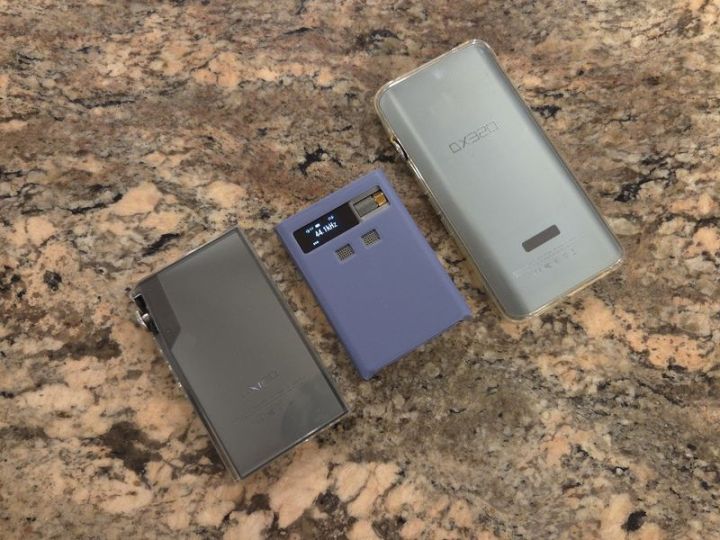
RU9 (DC mode) vs Cayin N8ii
RU9 (Modern Tube, DC mode) vs N8ii (Tube, P+, Class AB) – The tube tonality between these two sources has a more noticeable difference. Both have a big soundstage expansion with nearly holographic imaging, though I did notice the RU9 staging extending a little bit wider. With tonality, bass and treble differ the most, especially the bass. RU9 offers more weight in the low end with a deeper and slightly more elevated sub-bass rumble and stronger mid-bass punch. On the other hand, N8ii has more air and sparkle in the treble, making its sound slightly more revealing up top. With mids, they are more similar; however, due to more weight in bass and less sparkle in treble, RU9 mids sound a bit smoother and more textured, while N8ii mids are a little more revealing.
RU9 (Solid State, DC mode) vs N8ii (Solid State, P+, Class AB) – In solid state, many tonal changes remain similar to what I heard between these sources in Tube mode, but the actual difference between them scales down a bit. The bass in RU9 still has more weight, with a deeper rumble and stronger mid-bass punch, but it is slightly less intense compared to its tube mode. When it comes to mids, they sound very close. In the solid state, I don’t hear the same texture in the mids as I do in the tube, which closes the gap between the RU9 and N8ii. The RU9 remains slightly smoother but is closer in tonality to the N8ii’s mids.
In this comparison, a difference in sound is driven by a different DAC implementation, which makes the N8ii sound more revealing. In contrast, the RU9 is smoother, even under a boosted output performance. Another noticeable difference was in the rendering of DD drivers’ sound, where the RU9 yields more punch and rumble in the bass. These changes will affect the pair-up synergy, depending on the original tuning of your IEMs or headphones.
RU9 (DC mode) vs Cayin N3 Ultra
N3U offers a similar three-timbre tuning; thus, I based my comparison on each one.
Solid State – the difference is more noticeable here, both in terms of tonality and technical performance. The RU9 soundstage is more expansive in all three directions, and imaging is more holographic compared to the narrower expansion of N3U and its more center-focused imaging. The bass has a similar impact, but RU9’s low end is tighter, faster, and more articulate. RU9 mids are more resolving, detailed, and layered compared to the smoother and warmer mids of N3U. The treble of RU9 also has more air and better extension. The overall sound of RU9 is more dynamic, while N3U is slightly more compressed. In my opinion, N3U’s Solid State performance in comparison to its Tube performance takes a step back.
Classic Tube – here, the gap between sound performance is not as significant. N3U soundstage and imaging expand, getting closer to RU9, though it doesn’t exactly match or surpass it. I also notice an improvement in N3U sound dynamics, with less compression. But the overall sound of RU9 is tighter, faster, and has a blacker background. I also hear more rumble and texture in the RU9 bass, and its mids and vocals are more resolving and detailed. However, N3U is not far behind, being slightly warmer and smoother.
Modern Tube – similar to the Tube-Classic comparison, the gap here is not as significant, and the differences are similar to those mentioned above. The soundstage of N3U narrows slightly in Modern, giving RU9 an upper hand with its larger and more holographic expansion. RU9 background is blacker. The bass of RU9 hits harder with a deeper rumble, more texture, and a tighter mid-bass punch, also being more articulate in comparison to the softer bass of N3U. The same applies to mids; RU9 is more resolving and detailed, while N3U is smoother.
In Solid State mode, the RU9’s sound quality and technical performance exhibit noticeable improvements over the N3U. When each is switched to its corresponding Tube mode, the sound difference becomes a matter of different tube tonality. If I had to summarize it, N3U has a more tubey, smoother sound, while RU9 is more “hybrid” when it comes to its tubey tonality. RU9’s blacker background is also quite noticeable in comparison to N3U.
Dongle comparison
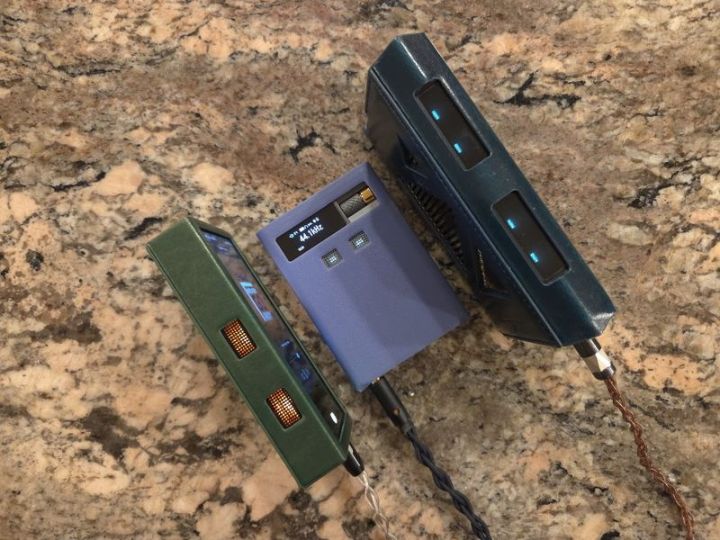
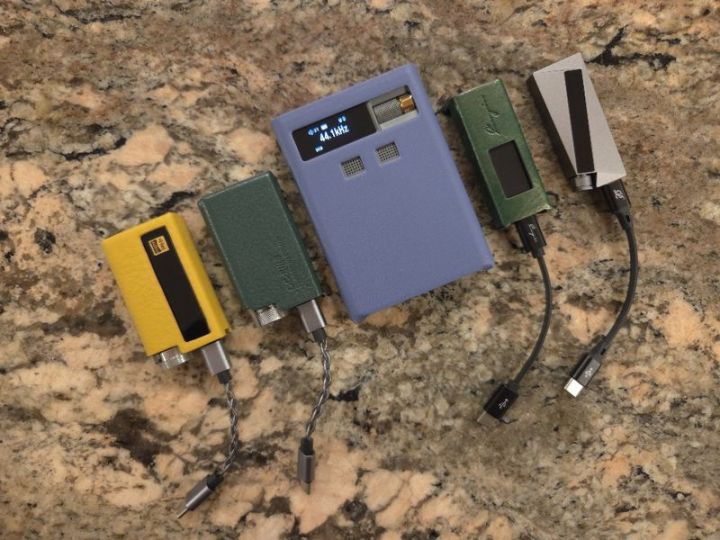
While comparing RU9 to more traditional dongles that draw their power from the source (smartphone, laptop, tablet), I will focus solely on tonality changes. You should also note that RU9 features a built-in battery, DC input hyper mode, PO/LO, SPDIF In/Out, and Bluetooth wireless mode, making this hybrid dongle superior in functionality to many other traditional dongles. Additionally, I used a USB-C connection between RU9 and my S25 to maintain consistency with other dongle comparisons.
RU9 (Modern Tube, DC mode) vs Cayin RU7 (DSD256 mode) – bigger and more holographic soundstage expansion of RU9. Softer mid-bass and more treble in RU7, vs punchier mid-bass of RU9 and a bit smoother treble, and more textured and smoother mids in RU9. The change in mid is the most noticeable here.
RU9 (Modern Tube, DC mode) vs iBasso DC Elite – Both feature a very similar, expansive soundstage and holographic imaging, with the DC Elite perhaps offering a slightly wider soundstage. Additionally, both have a similar weight in bass, characterized by a deep, extended sub-bass rumble and tight, punchy, articulate mid-bass. DC Elite does have a bit more air and crunch in treble, but the most significant difference is in mids. Regardless of SS or Tube mode, RU9 mids are smoother and more textured compared to the more revealing, micro-detailed, and brighter mids of DC Elite. This will have an impact on pair-up synergy with your brighter, neutral, or warmer-tuned earphones.
RU9 (Modern Tube, DC mode) vs L&P W4 – I hear nearly identical soundstage expansion and imaging in his comparison. I also hear a very similar bass weight and impact, with similar sub-bass rumble and punchy mid-bass. However, the W4’s mid-bass decay is even shorter and snappier, making the W4 sound a bit tighter and faster. Their treble is very similar, nearly identical in extension and tonality, with a natural, well-controlled amount of crunch and airiness. Mids is where I hear the most difference, as expected. W4 mids are more revealing, a little brighter, though not as revealing as DC Elite. RU9 mids have more analog textured smoothness, still resolving, but not as revealing as W4. I wouldn’t call W4 mids to sound digital, but in a relative comparison to RU9, you can’t help but refer to W4 and DC Elite mids as being less analog.
RU9 (DC mode) vs iBasso Nunchaku – In Tube mode of Nunchaku, these two have a remarkably close tonality, from a textured mid-bass rumble, to smoother resolving textured mids, and naturally resolving extended treble. Their soundstage expansion and imaging are pretty similar as well. RU9 does have a tighter bass and blacker background, which makes its sound a little faster in comparison to Nunchaku, whose mid-bass is a bit softer and more relaxed. This sound similarity carries over when I switch both to Solid State mode, with a similar rendition of bass, mids, and treble. However, I felt that Nunchaku’s mids were a bit smoother in SS mode, while RU9 provided a more pronounced difference in mids tonality when switching from Tube to SS. In SS mode, their mid-bass punch is more closely aligned in terms of speed and impact. Additionally, I notice the same difference in the background, with RU9 being darker and more pronounced. Nunchaku tubes do ring when you tap or move the dongle, which is one of the reasons I prefer to use its Tube mode when at my desk rather than on the go. But in terms of the sound tuning, these are not too far off.
Page 3 – Pairing, Wired/Wireless Connection, and Conclusion.

 Twister6 Reviews
Very nice review.
It would be also interesting, to compare it with the N30LE instead of the N8ii. 🙂
LikeLike
Yes, I agree. Can you please send me N30LE so I can compare it? 😉
LikeLike