
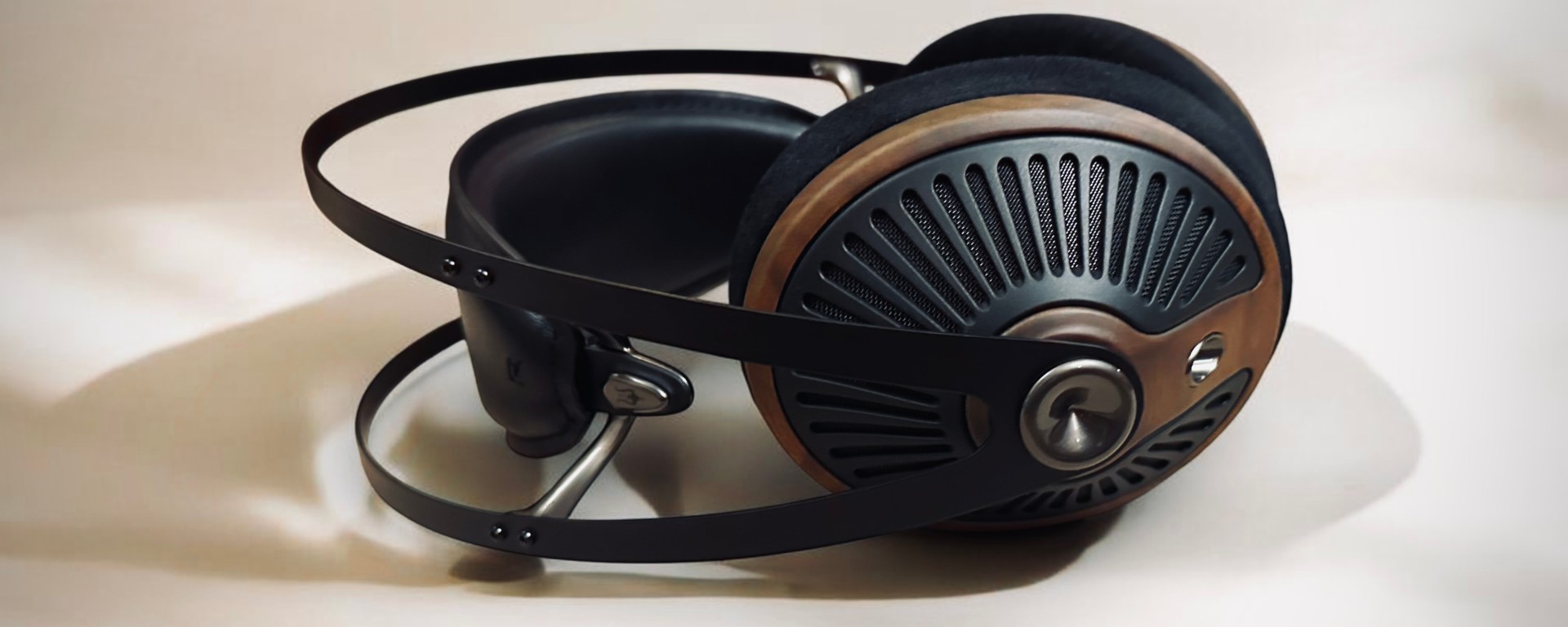
Meze 105 Silva Review — A Leaner, More Disciplined Take on Meze’s Open-Back Sound
PROS: Well-executed fuller W-shaped tuning that balances clarity, presence, and control without sounding artificial, Tighter and cleaner bass than the 105 AER, Slightly brighter, more open treble than the 105 AER, adding definition and edge without becoming overtly harsh, Very good comfort and ergonomics for long listening sessions, Easy to drive and source-agnostic, performing well even from modest amplification, Fatigue remains well controlled despite the more energetic treble compared to earlier models
CONS: Bass lacks sub-bass authority for listeners who prefer weight and slam, Treble, while more articulate, can come across as slightly sizzlier and less forgiving on bright recordings.
Introduction.
Over the last decade, Meze Audio has built a catalogue that rarely moves in straight lines. From the warmly expressive early classics to the more ambitious modern flagships, Meze’s evolution has been less about technical escalation and more about tonal identity, ergonomics, and long-term listenability. The 109 Pro marked a turning point by showing that Meze could compete seriously in the open-back performance segment without abandoning its house sound. The earlier 105 AER, while more modest in execution, laid the groundwork for a lighter, more accessible open-back platform aimed at everyday listening rather than critical evaluation.
The 105 Silva arrives as a refinement of that lineage rather than a radical departure. It does not attempt to replace the 109 Pro, nor does it simply update the 105 AER cosmetically. Instead, it occupies a carefully judged middle ground—borrowing lessons from the 109 Pro’s tonal maturity while correcting the looseness and inconsistency that held the AER back. In many ways, the Silva feels like Meze applying hindsight: stripping excess warmth, tightening the bass response, moderating upper-mid enthusiasm, and committing more fully to tonal balance over emotional coloration.
This is a headphone that reflects Meze’s growing confidence in restraint. Rather than leaning into spectacle or novelty, the 105 Silva feels intentionally conservative, almost understated, designed to be lived with rather than admired from afar. That design philosophy is evident not just in its tuning, but in how the headphone is constructed, damped, and voiced as a complete system.
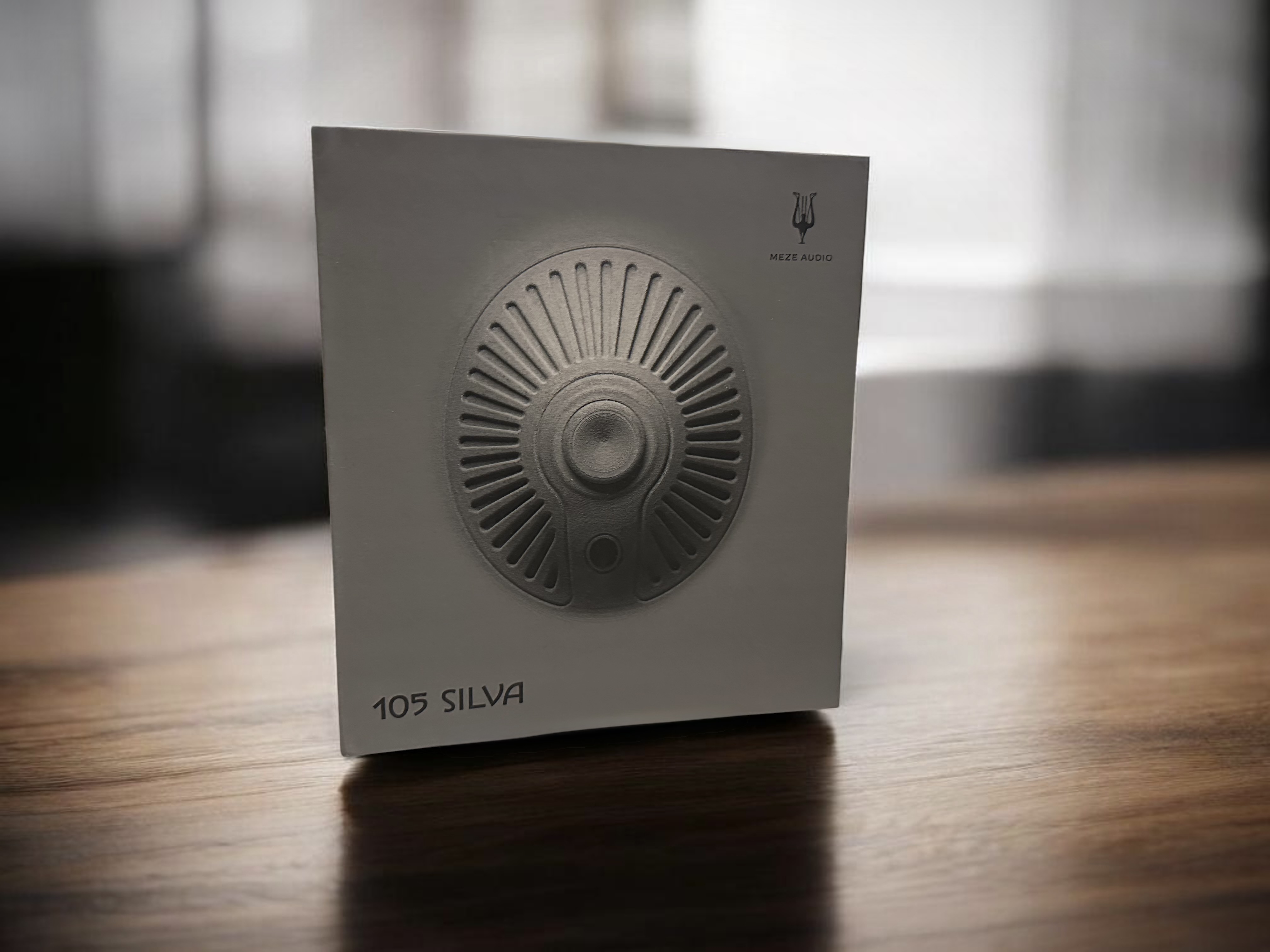
Technical Specifications and Engineering Approach.
Key specifications:
- Driver: 50mm dynamic driver
- Impedance: 42 Ω
- Sensitivity: ~112 dB SPL / mW
- Frequency response: 5 Hz – 30 kHz
- Weight: approx. 354 g (without cable)
- Open-back design with acoustic damping system
- Price – $499
At the heart of the 105 Silva is a 50mm dynamic driver that reflects Meze’s continued confidence in well-executed moving-coil designs. Rather than pursuing planar speed or hybrid complexity, Meze has focused on optimizing diaphragm control, damping, and enclosure interaction. The driver operates within a moderately low impedance of 42 ohms and a high sensitivity rating, making the headphone easy to drive from a wide range of sources without demanding specialized amplification.
The open-back structure is not purely about soundstage expansion, but about pressure management and tonal linearity. By carefully tuning the rear chamber and venting system, Meze has aimed to minimize standing waves and midrange coloration, which were more apparent in earlier designs like the 105 AER. The result is a cleaner transition from bass to mids and a more stable upper-mid response that aligns closely with modern target curves without sounding artificial.
Meze’s published frequency extension figures, stretching well beyond the audible range, are less about literal bandwidth and more about driver control within the audible spectrum. In practice, this translates to a bass response that remains composed rather than exaggerated, and a treble presentation that avoids the grain and glare often associated with budget open-back dynamics. The engineering emphasis here is not on pushing extremes, but on maintaining linearity and phase coherence across the range most critical to musical realism.
Crucially, the 105 Silva is designed to be source-agnostic. While it does scale modestly with better amplification, its core tuning remains intact even from modest DAC/amp combinations. This reinforces Meze’s apparent goal with the Silva: to create a headphone that delivers its intended balance consistently, rather than one that relies on system synergy to correct inherent tonal biases.
Design Philosophy and Construction.
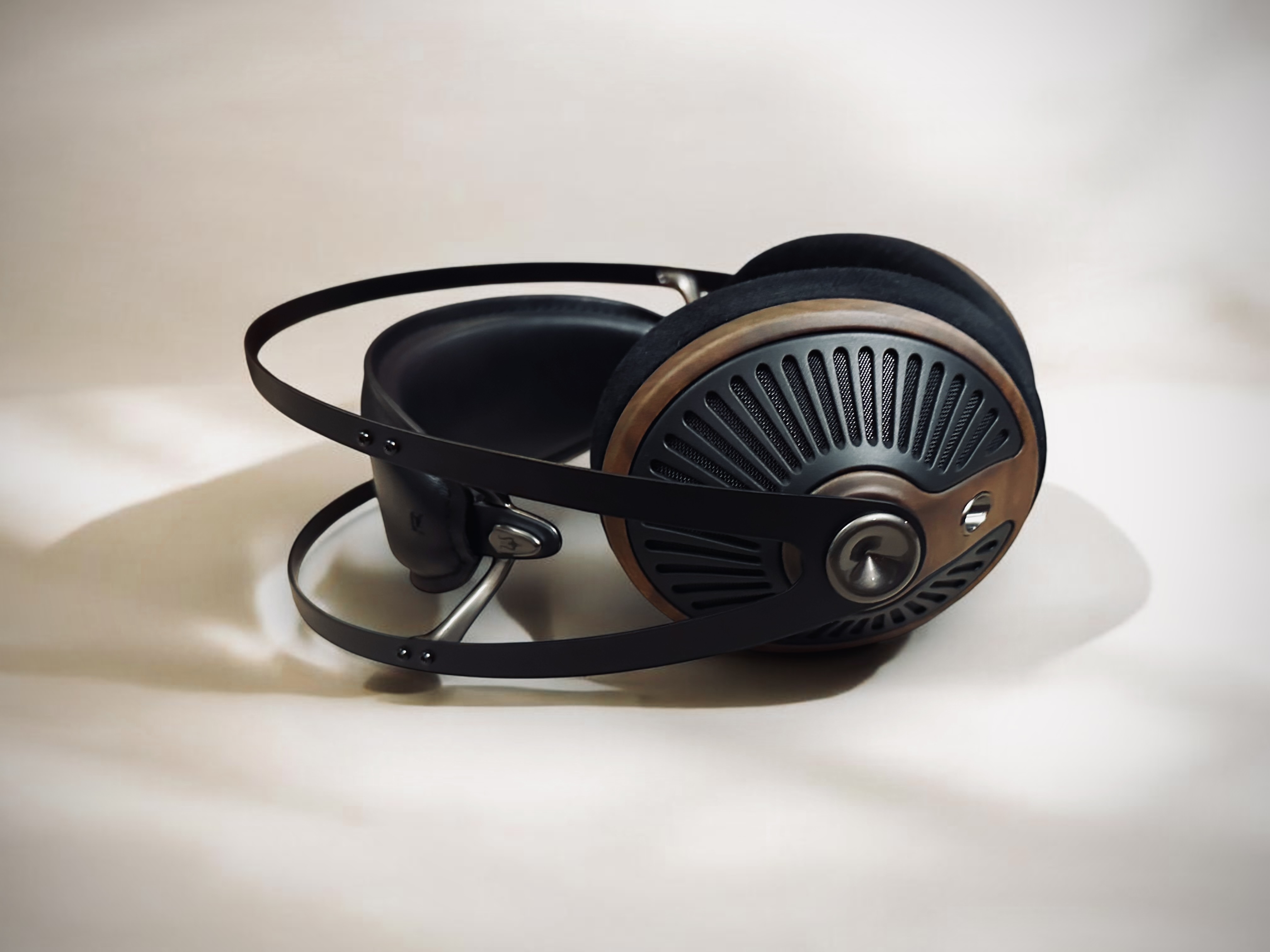
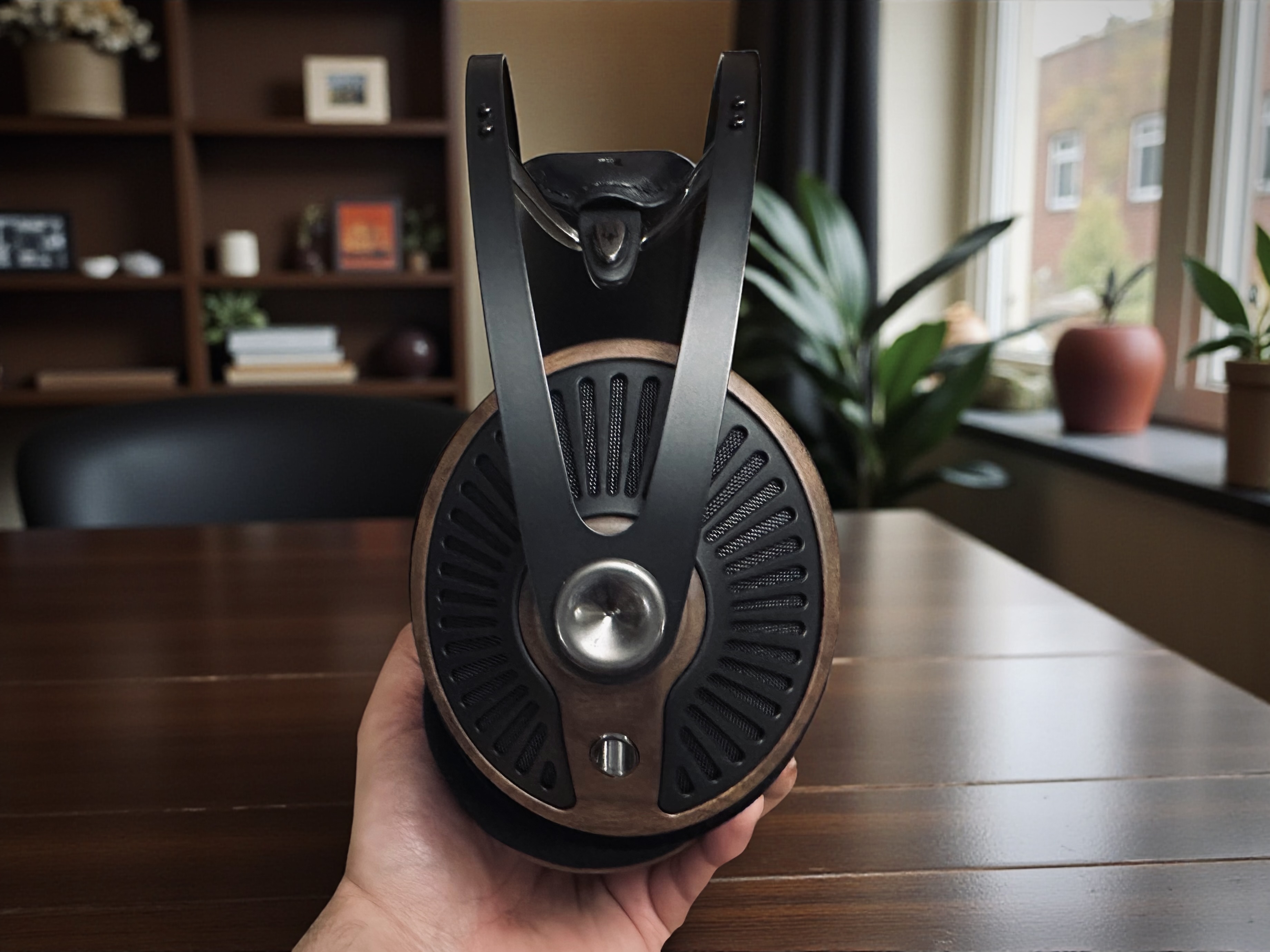
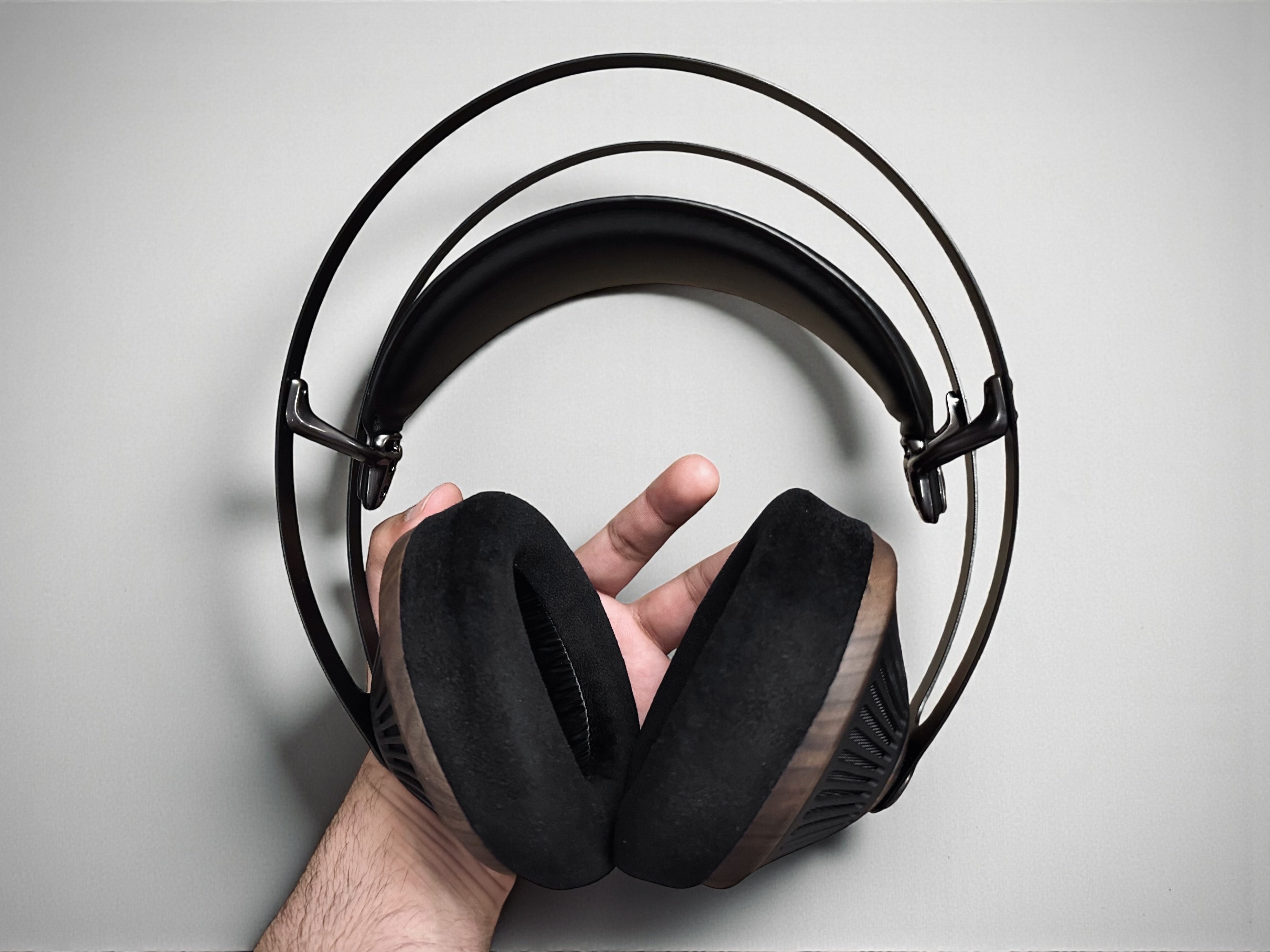
The 105 Silva continues Meze’s long-standing emphasis on ergonomics and material coherence, but it does so with a more utilitarian mindset than the 109 Pro. Where the flagship leans into visual warmth and artisanal flair, the Silva prioritizes structural efficiency and acoustic consistency. The open-back architecture is carefully damped, using a layered grille and internal acoustic treatment to control backwave reflections rather than simply venting them freely. This approach results in a presentation that feels more focused and less diffuse than earlier Meze open-backs in this price range.
The suspension headband system remains a defining element of Meze’s design language, and here it is tuned with slightly firmer tension to improve stability without compromising comfort. The clamp force is moderate and evenly distributed, allowing the headphone to sit securely without creating pressure hotspots during long listening sessions. The ear pads are breathable and thoughtfully shaped, providing enough depth to avoid driver proximity issues while maintaining a consistent seal across different head shapes.
What stands out most is how cohesive the physical design feels in service of the sound. Nothing about the 105 Silva appears ornamental for its own sake. Every material choice, from the composite ear cups to the metal framework, contributes to a headphone that feels acoustically intentional rather than visually indulgent. This sense of discipline mirrors the tuning philosophy and sets the Silva apart from more character-driven designs in the same segment.
Sound Analysis.
The Meze 105 Silva is best described as a coloured W-shaped tuning, and that colour is not accidental. Silva’s response shows multiple modest rises and dips that deliberately emphasise presence, clarity, and separation without collapsing into either warmth or brightness. It is not a flat headphone, nor does it attempt to be neutral. Instead, it is tuned to sound articulate and composed, with energy distributed across bass, upper mids, and lower treble in a way that keeps the presentation lively without tipping into excess. What separates the Silva from both the 105 AER and the 109 Pro is how evenly those peaks are managed. There are no aggressive shelves, no exaggerated valleys, and no single frequency band that dominates the presentation. That restraint defines how the Silva sounds over time.
Let’s dig in deeper…
Bass – Starting at the very bottom, the sub-bass extension is audible rather than tactile. The bass rises gently into the mid-bass but it never develops into a broad or elevated shelf. Compared to the 105 AER, the Silva trims some of the warmth and thickness, resulting in a bass response that feels flatter and more controlled. In listening terms, this means bass notes are clearly defined but more neutral on impact. You hear bass lines distinctly, but you do not feel them pressurise the stage. Kick drums have shape and timing but lesser punch relatively than 105 AER. This tuning keeps the low end clean and prevents it from bleeding into the midrange, but it also makes the Silva sound leaner and more polite than listeners expecting a warm Meze 105 AER like signature might anticipate.
Midrange – Lower midrange is slightly fuller than neutral but not too elevated. Silva avoids adding too much thickness or warmth here, which keeps the presentation from sounding congested – maintaining quite well done separation and clarity. This results in a midrange that is clean – male vocals have correct tonality with neutral weight, and instruments like lower-register guitars and pianos sound rather accurate than full-bodied. The absence of excess energy here contributes to the Silva’s sense of control, not sounding too lush or romantic like the fuller bloomy headphones. The upper-midrange is elevated enough to bring vocals and lead instruments forward, but it is shaped smoothly, without the sharpness or abrupt gain that often leads to shout. In practice, this gives the Silva its clarity and intelligibility. It has the typical Meze 105/109 series 2kHz dip but it otherwise sounds very natural. Vocals are clearly outlined in the mix, articulation is strong, and instruments cut through without sounding forced. Female vocals benefit most here, sounding clear and articulate without becoming piercing.
Treble – Following the upper-mid lift, there is a controlled dip and then another rise in the lower treble. This region is tuned to add excitement, definition and edge without introducing harshness. Compared to the 109 Pro, which shows more aggressive shaping here, the Silva is noticeably smoother and less dramatic. Sonically, this means cymbals, strings, and transients have clear attack but very slight restrained bite due to the 4.5kHz and 7.9kHz dips. There is very sufficient energy to create an exciting presentation and avoiding dullness thanks to one sizzly peak around 10-11kHz. It prioritises cleanliness, sparkle and sizzle over tonal correctness for a more lively headphone and listening experience, but one which is still smooth and nice to work well for long sessions.
Silva’s upper treble on the other hand is much smoother than on the 109 Pro. This is a deliberate tuning choice that goes for accuracy and naturalness than extra air and openness. While there is good information present, it is not emphasised. In listening terms, this limits the sense of air and spatial expansion compared to 109 Pro but makes for a headphone that does not need an adaptation period like the 109 Pro did. The stage does not feel artificially wide or airy, and high-frequency shimmer is understated. This contributes to the Silva’s fatigue-free nature, but more reserved compared to 109 Pro – if that’s a thing one’s looking for.
Technical Performance.
Because of the Silva’s controlled bass, clean lower mids, and smoother treble than 109 Pro, imaging is natural and predictable. Instruments occupy well-defined positions without excessive spread. The soundstage is moderately wide with excellent left to right separation but not expansive, and depth perception is more convincing than lateral width. Detail retrieval is solid but not emphasised. The Silva does not exaggerate micro-detail through too much treble energy or transient sharpness. Instead, it relies on tonal separation and balance to present information clearly. There’s that sizzly peak but it introduces excitement more than glare. Dynamics are linear rather than explosive, reinforcing the impression that this is a headphone designed to be predictable.
Comparisons.
Meze 105 AER.
The relationship between the Meze 105 Silva and the 105 AER is one of refinement through rebalancing rather than outright retuning. Both headphones share a similar foundational voicing, but the Silva is clearly tuned to sound leaner, more articulate, and more open in the upper registers, while the AER leans warmer and smoother overall.
In the bass, the two track closely in shape, but the AER carries slightly more mid-bass fullness. That extra energy gives the AER a softer, rounder low end with more perceived warmth. The Silva trims this region marginally, which tightens bass notes. Audibly, the AER sounds fuller and more relaxed in the low end, while the Silva sounds cleaner and more controlled, with better bass definition but less weight.
The lower midrange continues this pattern. The AER maintains very slightly more body, contributing to thicker male vocals and a more forgiving tonal balance. The Silva pulls this area back slightly, improving separation and reducing midrange density. As a result, the AER sounds richer and smoother, while the Silva sounds clearer and more neutral, but also a bit leaner and less lush. The upper midrange is broadly similar in contour, but the Silva is a touch more energetic and better defined. Vocals and lead instruments on the Silva sit slightly more forward and are more clearly outlined, whereas the AER sounds a little softer and more blended in this region. This is not a large difference, but it contributes to the Silva’s more articulate and precise presentation.
The most important distinction lies in the treble. 105 AER has a more relaxed and easy treble response, while the 105 Silva carries more energy particularly in mid-treble. The Silva’s treble rises more assertively and maintains presence higher up, which explains its brighter, more sizzled character. Cymbals on the Silva have more bite and definition, with sharper attack and more audible edge. The AER, by comparison, smooths this region out, resulting in a warmer, softer and easy going treble. In listening terms, the AER sounds more forgiving and easier on the ear over long sessions, particularly with bright or compressed recordings. The Silva sounds more open and articulate, but also less forgiving in comparison, with a drier and slightly sharper treble character that draws more attention to high-frequency content.
Overall, the 105 AER presents as the warmer, smoother, and more relaxed headphone, prioritising comfort and tonal ease. The 105 Silva shifts the balance toward clarity, separation, and upper-frequency presence, trading some warmth and smoothness for a brighter, more incisive sound. Neither is strictly better; the choice depends on whether the listener values warmth and smoothness or articulation and openness.
Meze 109 Pro.
Both headphones share Meze’s core approach but they diverge sharply in how much personality they are willing to inject into the sound. The 109 Pro is tuned with more ambition in the bass and upper treble. Its low end carries more weight and elasticity, giving bass notes a rounder envelope and more perceived impact. This makes the 109 Pro sound immediately fuller and more engaging, especially with modern recordings. The Silva, by contrast, trims that bass emphasis, resulting in a leaner and more linear low end. The audible consequence is less warmth and slam, but better separation and less low-frequency masking. In the midrange, the 109 Pro presents vocals with more density and harmonic richness, particularly in the lower mids. This gives voices and acoustic instruments a more corporeal, almost tactile quality. The Silva is more reserved here, prioritizing clarity and positional stability over body. Vocals on the Silva sound cleaner and more neutrally placed, but also less emotionally charged. Treble behavior further highlights the difference. The 109 Pro extends higher and carries more energy in the upper treble, contributing to a greater sense of air and openness. The Silva rolls this region off earlier, which reduces perceived spaciousness but also significantly lowers fatigue. Over long sessions, the Silva feels calmer and more predictable, while the 109 Pro remains the more vivid and expressive listen.
Ultimately, the 109 Pro is the more characterful headphone, while the Silva is the more disciplined one. The choice comes down to whether the listener values engagement and warmth over balance and control.
HIFIMAN Sundara.
The comparison with the HIFIMAN Sundara is a study in dynamic versus planar priorities. The Sundara is tuned with speed and clarity as its primary objectives, and that is immediately apparent in how it handles transients and micro-detail. Bass on the Sundara is faster and more texturally explicit, but also leaner and less forgiving. Where the Silva’s bass is gently rounded and has gooey punch, the Sundara’s low end is taut and incisive, exposing recording quality very clearly. The Silva sounds softer by comparison, but also more natural with acoustic bass and drums. Midrange presentation differs significantly. The Sundara emphasizes clarity and separation, often sounding more revealing, particularly in busy mixes. However, this clarity comes with a thinner tonal density. The Silva, despite being more restrained overall, maintains better timbral weight in vocals and instruments, resulting in a more organic presentation even if it resolves less fine detail. Treble is where the Sundara asserts its technical advantage. It carries much more upper-treble energy and air, giving it a brighter and more open soundstage. The Silva’s treble is smoother and less extended, reducing sparkle but also minimising glare and fatigue. The Sundara is the more analytical and technically explicit headphone. The Silva is the more relaxed and timbrally forgiving one. Neither replaces the other; they serve different listening priorities.
Ollo S5X.
The S5X approaches sound from a studio-monitoring perspective, and this makes the comparison particularly instructive. The S5X is tuned to be flat, explicit, and unapologetically honest. Bass on the S5X is drier and more restrained than on the Silva, with less rounding and less perceived warmth. This makes low-frequency information easier to analyze for honesty, but also less musically satisfying for casual listening. The Silva adds a touch more body and smoothness, making bass lines sound more natural even if they are less strictly accurate. The midrange is where the S5X asserts its identity. Vocals and instruments are presented with clinical precision, revealing mix balance and recording flaws immediately. The Silva, by comparison, smooths transitions and softens edges, prioritizing listenability over inspection. It sounds less “true” in a studio sense, but more forgiving and coherent in musical contexts. Treble on the S5X is more extended and more linear, which increases perceived detail but also exposes harshness. The Silva’s treble is less revealing but significantly easier on the ear over long sessions. The S5X is a tool. The Silva is a listening device. The difference is not subtle, and neither is wrong.
Sivga P2 Pro.
The P2 Pro is voiced with warmth and smoothness as primary goals. Its bass and lower mids are fuller, giving it a thicker and more relaxed presentation. Compared to the P2 Pro, the Silva sounds more controlled. Bass on the Sivga carries more weight, but it also bleeds more into the midrange, softening separation. The Silva’s tighter low end keeps instruments better delineated. Midrange on the P2 Pro is richer but less precise. Vocals sound warm and inviting, but also less clearly outlined. The Silva sacrifices some of that warmth in favour of clarity and positional stability. Treble on the P2 Pro is softer and more rolled, which reduces fatigue but also limits detail and air. The Silva, while still conservative, offers better definition and clarity in the upper registers. The P2 Pro priorities comfort and warmth. The Silva prioritizes balance and control.
Conclusion.
I found Meze 105 Silva to be a wonderful headphone, like most Mezes post the 99 Classic age – which I was not a fan of. Silva’s strength primarily lies in how deliberately it avoids excess – excess warmth, excess bass, excess smoothness, or excess excitement. Instead, it presents a carefully balanced, coloured W-shaped tuning that priorities clarity, separation, and long-term consistency over instant gratification. Within Meze’s own lineup, the Silva feels like a conscious recalibration. Compared to the 105 AER, it tightens the low end, cleans up the midrange, and introduces a brighter, more articulate treble that adds definition and openness, albeit with less forgiveness. Compared to the 109 Pro, it is easier, warmer, and less expansive, but also more predictable in how it handles different recordings. It sits squarely between warmth and neutrality, leaning towards control rather than character.
What the 105 Silva does particularly well is coherence. Hardly any frequency band overwhelms the presentation, and nothing feels loosely damped or accidental. Bass stays in its lane, mids remain intelligible and stable, and treble adds bite and air without turning aggressive. The Silva is not designed to flatter everything; it is designed to behave correctly most of the time. In that sense, the 105 Silva feels like Meze maturing its entry-level open-back philosophy. It is a headphone for listeners who value balance over boldness, clarity over warmth, and consistency over spectacle. Considering its exceptional build and the typical Meze’s ideology of making headphone that leave a mark, this too has my recommendation!

 Twister6 Reviews