
Comparison.
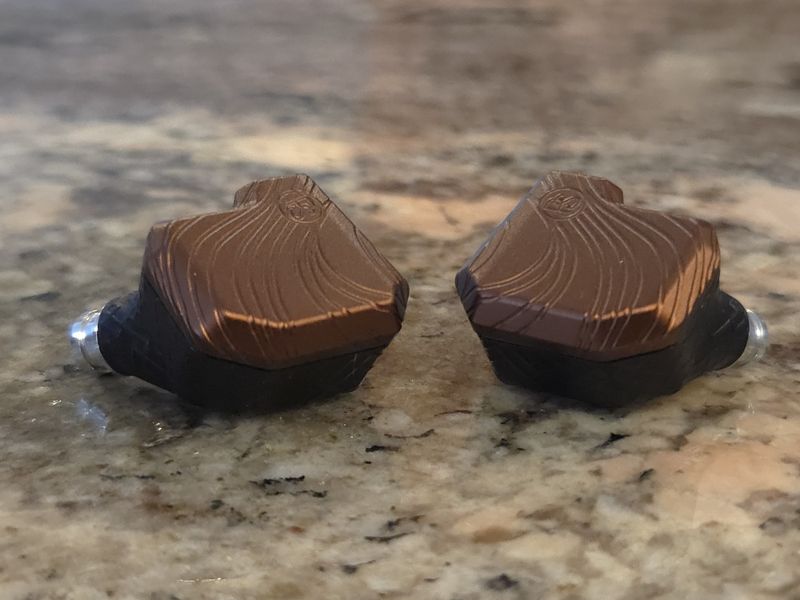
The comparison was conducted using A2 with a stock Copper+ cable, stock silicone eartips, and a SP4000 source, volume-matched in every comparison. I will start with the PS IEMs comparison and then feature a few more examples. Please keep in mind that my sound analysis section already covered Allegro OG vs Allegro II comparison.
A2 vs PS Sonora – Both have a very similar bass impact, going deeper and hitting harder, and both have naturally tuned, resolving mids. The difference in sound between these two IEMs comes from their upper mids and treble tuning. Sonora puts more emphasis on lower treble resolution and a bit less on upper-mids presentation. As a result, its upper frequencies sound brighter and more revealing, while A2 sounds smoother and more naturally resolving. Also, A2 has a more holographic imaging, thanks to its dual BCD drivers that expand the soundstage.
A2 vs PS Volta – Volta is a smoother and more neutrally tuned IEM with a natural, laidback, detail presentation of the sound. A2 scales this up in every frequency band with deeper and more impactful bass, more resolving layered mids, and crisper and airier treble. I love Volta tuning; it is excellent when you want to listen to music without getting into too many details, kick back, relax, and enjoy the flow. A2 is on a different level where you have more energy, more impact, higher resolution, and more precise retrieval of details. Plus, the A2 soundstage is more expanded and more 3D holographic in imaging.

Now, despite the price difference, driven by a design/driver variation, and the tuning difference, I wouldn’t say one is better than the other because they have different tuning flavors. Everything will come down to a personal preference. If you want a big holographic soundstage, you will prefer A2. If you wish to have a more energetic, revealing, detailed non-fatigue sound, I would also pick A2 over Sonora. However, suppose you prefer a more natural, laid-back sound presentation that allows you to enjoy the music without trying to analyze it. In that case, Volta boasts a fantastic neutral tonality with a natural, balanced tuning, despite being less technical than A2.
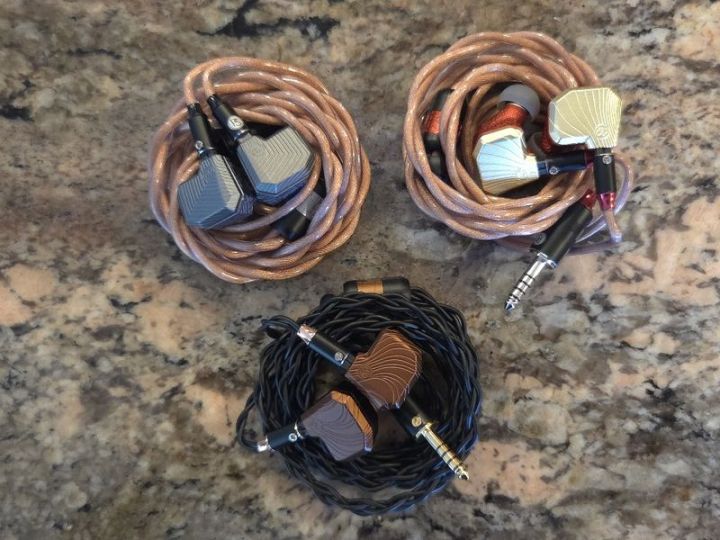
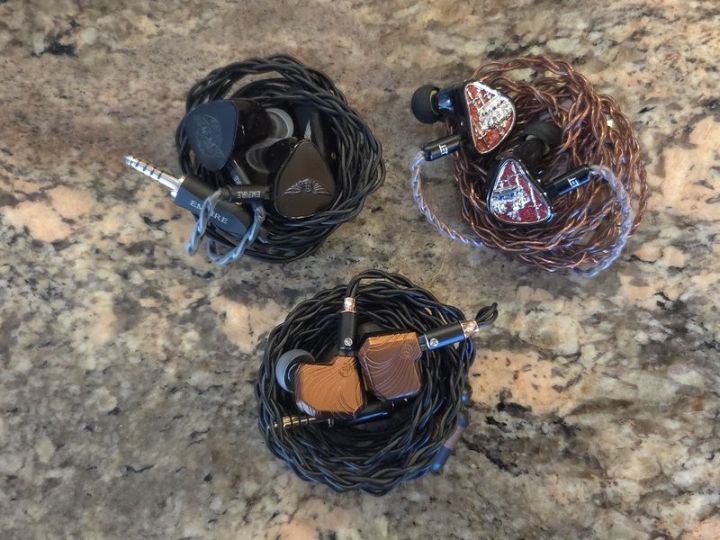
A2 vs Forte Ears MacBeth – Talk about a brother from another mother, as soon as I started listening to A2, MB tuning popped into my head right away. Between these two IEMs, everything from sub-bass to mid-bass, and through lower mids sounds very similar, except 2DD of A2 pushes more air so you can feel, not just hear, the bass. But despite the MB BA bass, they do have a very similar impact and low-end extension. They also have similar spatial details with holographic soundstage expansion. The difference between these two IEMs is in the upper mids and lower treble. A2 pushes upper mids more forward, especially noticeable in vocals, and has less crunch in treble due to less aggressive lower treble. In contrast, MB has a slightly less aggressive pinna gain and more presence in the lower treble, which gives its sound more crunch and brightness in the upper frequencies.
A2 vs EE Raven – Another comparison that came to mind as soon as I heard the A2 bass was against the EE Raven. Starting with the soundstage comparison, while Raven features a single BCD driver, I suspect that A2 uses a dual Sonion BCD driver, which contributes to a wider soundstage expansion and more holographic imaging. With bass, again, it was a very close comparison, offering the same deep extension and powerful punch, where you can feel the power of dual DD in both IEMs. They also have a similar lower mids tuning, more natural, with a perception of a fuller body. With Raven, its upper mids are similarly tuned to PS Sonora, so you have a slight down slope of pinna gain, which creates more contrast with crisper lower treble that gives Raven’s sound a more revealing presentation of upper frequencies. A2, on the other hand, has a more linear tuning of upper mids and less emphasis on lower treble to keep its treble more natural and resolving, which creates a bit smoother presentation of its upper frequencies.
Conclusion.
I still remember how skeptical I was when I received the original Allegro because it looked great in pictures and the paper spec, but I didn’t know what to expect in terms of the tuning. It surprised and impressed me with the maturity of its design and tuning. I was also pleasantly surprised with their follow-up Volta and Sonora releases because they took all the design feedback from the original Allegro release, implemented it in the new shell design, refined the packaging, added a premium customized cable, and offered their customers two distinct tuning flavors. The Allegro II release inherits the exterior design and packaging of Volta and Sonora, and the tuning direction of the original Allegro, with an updated design of drivers and a more refined flagship level of sound tuning.
Allegro II tuning clearly follows its original predecessor, delivering a well-balanced sound signature with a detailed tonality and natural presentation of the sound. But while it still features a balanced W-shaped sound signature, unlike the original Allegro, the tuning here is more natural and coherent, as all 13 drivers blend in unison of a perfect harmony, extending from the deep, impactful lows to the more natural, detailed mids, and up to the clear, thorough, non-fatiguing highs. With the addition of dual BCD drivers, which I suspect to be a popular Sonion combo, the sound also expands and becomes more holographic. Volta and Sonora felt like a fine-tuned side-grade of the original Allegro. The new Allegro II feels like a significant upgrade of the original, scaling up in design and tuning, and solidifying its position as a new PlusSound IEM flagship.

 Twister6 Reviews