
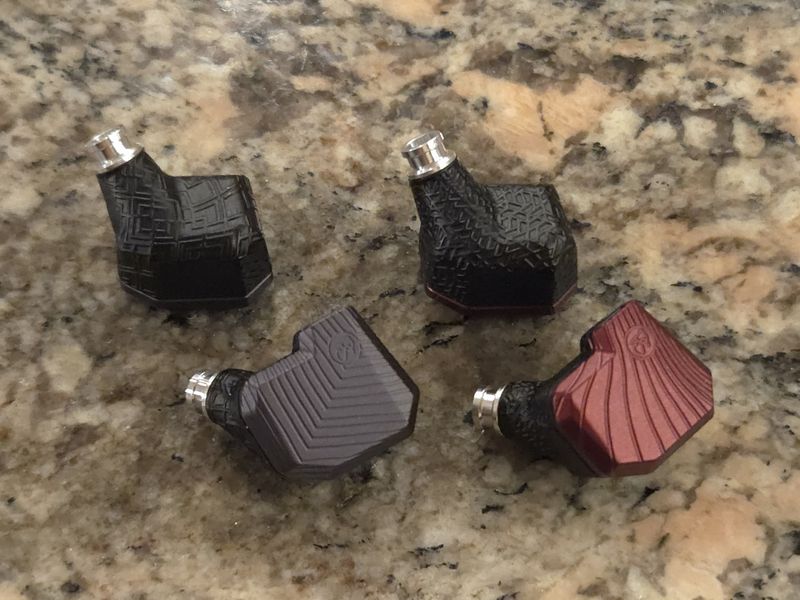
Comparison.
The comparison was done using Volta SE and Sonora SE with a stock SPC XL cable, stock silicone eartips, and SP4000 source, volume matched in every comparison. Given the Special Edition nature of these IEMs, it made sense to compare them to each other, their OG versions, and Allego II.
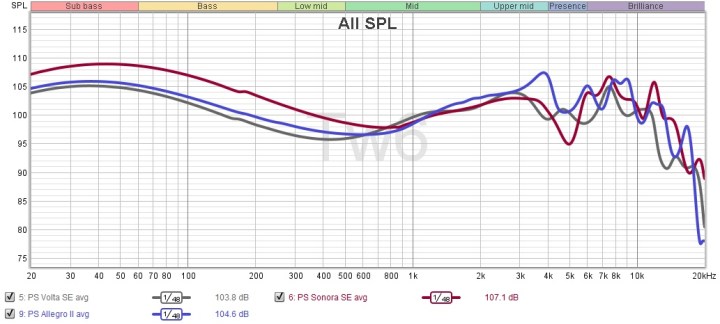
Based on my sound analysis above, the difference between Volta OG and SE is that the SE bass has more rumble weight and a stronger, faster mid-bass punch. SE mids are a bit leaner in the lower mids to bring more focus to the upper mids, while OG had a touch fuller body mids, with lower and upper mids blending more. And the SE mid-treble has a bit more focus thanks to a deeper cut in the lower treble than in OG, which adds a little more sparkle and enhances the sound’s airiness. From a technical perspective, SE also stands out for a wider L/R soundstage and slightly enhanced layering and separation. The improvements in bass and soundstage were the most noticeable to me.
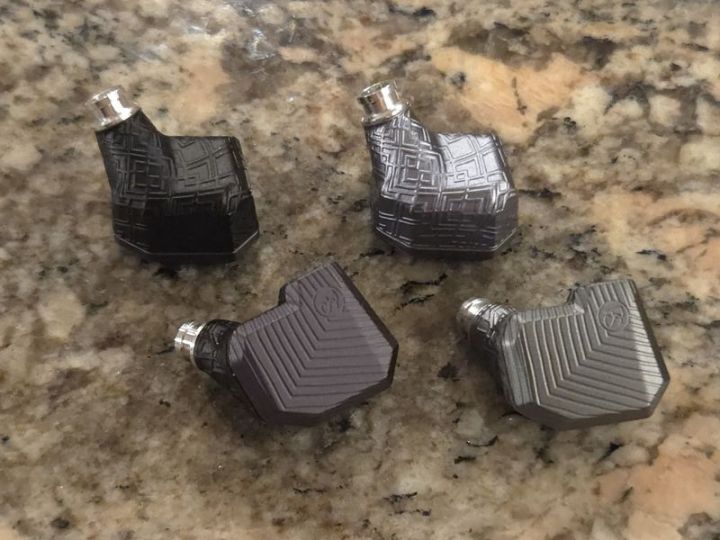
Then, the difference between Sonora OG and SE is that these IEMs have completely different tuning: OG features a balanced W-shaped sound signature, while SE goes for a U-shaped sound signature. SE bass is full, bloomy, elevated, with a laid-back presentation and a slower speed, while OG is faster, more articulate, and very precise. SE bass feels like it’s coming from a large dynamic-driver subwoofer, while OG bass has a characteristic that resembles DD/BA-driver hybrid performance. OG mids are more forward, more revealing, colder in tonality, while SE mids are pulled back, have fuller body, more organic tonality, and a lot smoother presentation. Treble is different as well, with SE having higher definition and more revealing crunch, while OG being more precise with a natural crunch focus in the mid-treble region. The sound is also more 3D in OG, while more naturally expanded with greater depth in SE.
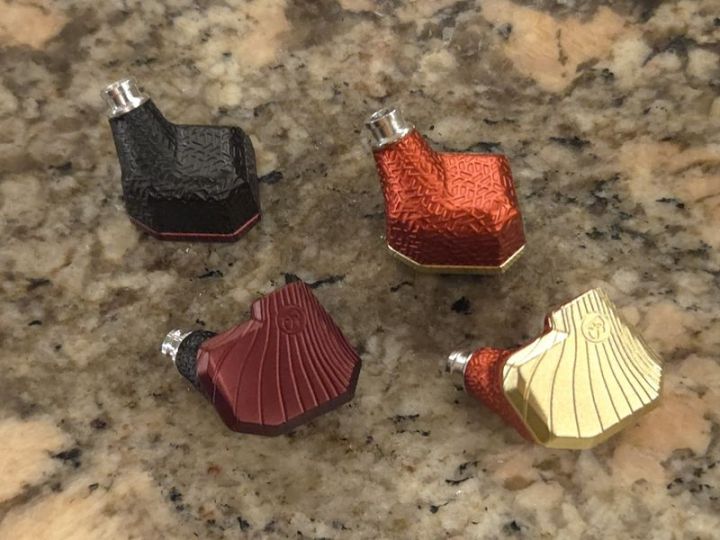
Volta SE vs Sonora SE – Volta soundstage is wider, while Sonora’s is deeper. Sonora’s bass has more weight, scaling up its low-end performance through sub-bass and mid-bass, and it’s more laid-back, relaxed, and slower. Volta’s bass is more articulate, tighter, and packs a great punch, with good extension, but its quantity is scaled down compared to the other. Sonora’s mids are also thicker, with a fuller body and more organic tonality. You can really feel the extra weight of the lower mids when you switch between these IEMs. Sonora’s treble has more sparkle and airiness, while Volta’s treble is more natural in its perception.
Volta SE vs Allegro II – Allegro’s soundstage has more holographic imaging, while the expansion is quite similar in all 3 directions. Also, both of these IEMs have nearly identical bass tuning, from sub-bass extension with a textured rumble to a faster mid-bass punch. Even their lower mids are similar in quality and quantity. Where they really differ is in the upper mids, with Allegro being much more revealing, micro-detailed, better layering and separation, and overall, more forward. In contrast, Volta’s upper mids are smoother and more natural. Allegro also enhances the resolution with lower-treble emphasis, while Volta keeps it smoother and more natural.
Sonora SE vs Allegro II – this is truly a night and day comparison since these IEMs have a very different tuning. As expected, Allegro’s soundstage will be more expanded and also more holographic. But once you pair Sonora SE with the PFH cable, all bets are off, and they are on par in the soundstage expansion. With bass, Sonora SE scales up the bass quantity in both sub- and mid-bass. A really big difference is in the lower mids, similar to the comparison with Volta, where Sonora has a thicker, fuller body. Upper mids of Allegro II are more forward, more revealing, brighter, and colder in tonality than the fuller-body, warmer, smoother, more pulled-back mids of Sonora. Their treble is not too far off, but the more transparent and revealing tuning of Allegro II makes the perception of its treble crisper as well.
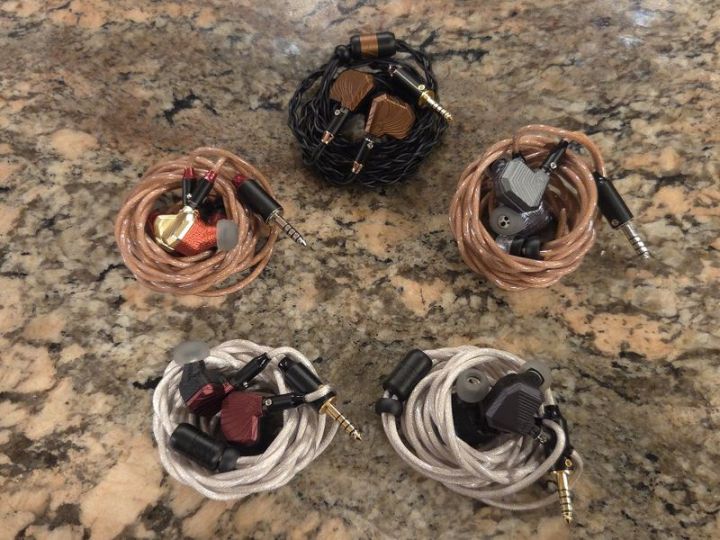
Source Pair up.
With a sensitivity of 109-110 dB and an impedance of 10 ohms, Volta/Sonora SE IEMs are very easy to drive from any source. For my next step, I used these IEMs with stock silicone eartips and the stock SPC XL cable and tested them with several portable sources.
Volta/Sonora SE original sound analysis was performed using SP4000, and the pair-ups below will be compared against SP4k.
Volta SE
iBasso DX320Max Ti – With 320Max being a more revealing source, in pair up with Volta SE, it stripped its mids of the smoothness, becoming more neutral, less colored, and colder in tonality. The bass was tight and very articulate, and the treble was precise and non-fatiguing. But mids lost their texture, their smoothness. Thus, I wasn’t too crazy about this pair-up.
Hiby RS8ii – this pair-up was similar to SP4000 in tonality, just a little brighter in the treble. I can hear the mid-treble slightly more accentuated here. SP4000 made Volta’s SE upper mid a bit smoother.
L&P P6 Pro – in this pair-up, the bass weight scaled up a bit, but the overall tonality was not too far off from SP4k. Good pair-up synergy here.
Cayin N6iii w/T201 – in tube mode, the sound was well balanced, with a more articulate bass, more textured mids, and a bit more air in treble. In solid-state mode, I lost some of the magic of the T201 tube texture, and while it sounded OK, I preferred to go back to Raytheon tubes.
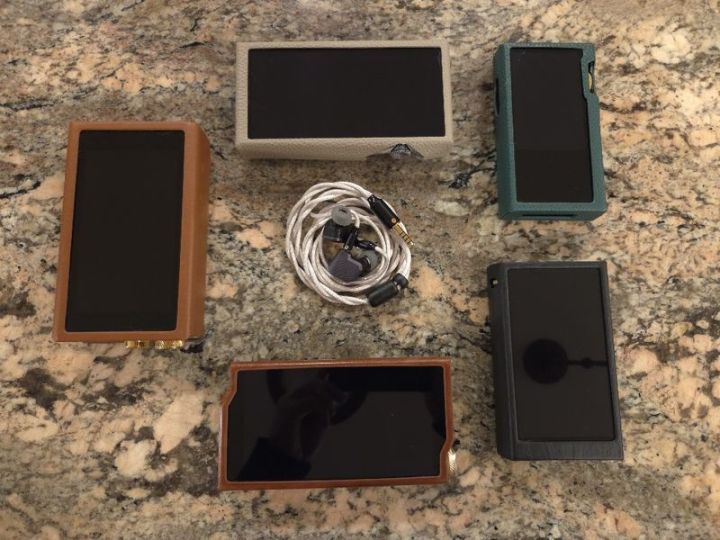
NiPO A100 – bass became a bit too boomy, especially the rumble. It wasn’t as bad as with Sonora SE, but it still wasn’t my cup of tea in this pairing.
L&P W4 – here, the mid-bass punch got stronger, faster, tighter, more articulate, and mids gained a little bit of body, especially in lower mids. The soundstage expansion was huge. Absolutely loved this pair-up.
iBasso DC Elite – this pair-up reminded me a lot of DX320Max, with a similar tight, articulate bass, and very precise treble. Mids were more revealing as well, being neutral, but not as cold as 320Max.
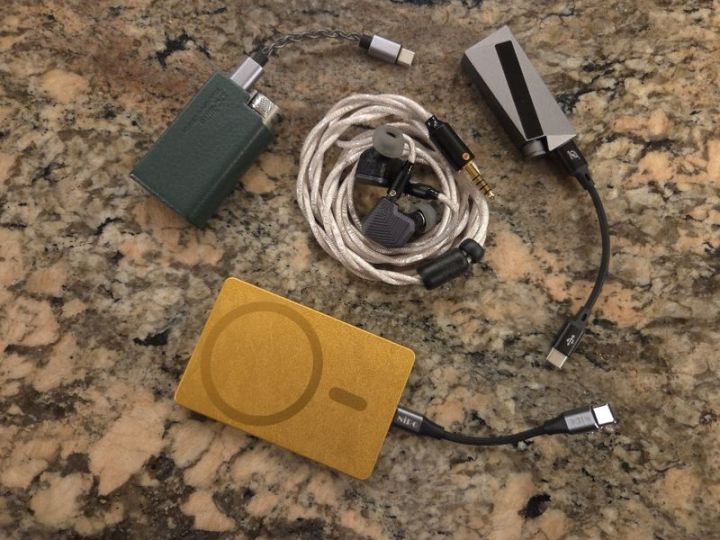
With Volta SE, I enjoyed pairing it with SP4000, RS8ii, P6 Pro, and W4, where SP4k and W4 were probably my favorites. Pair-up with W4 especially surprised me the most.
Sonora SE
iBasso DX320Max Ti – With 320Max being a more revealing source, this was a great pair-up, enhancing the resolution and detail retrieval from the mids. Mids were not necessarily more forward; they were more resolving and still quite natural in tonality. Also, the bass enhancement was really good, with bass notes more articulate, tighter, and with shorter decay and better control. The sub-bass rumble was also “cleaner”. I liked this pair-up a lot.
Hiby RS8ii – this pair-up was very similar to SP4000 in tonality, just a little brighter in treble. I can hear the mid-treble slightly more accentuated here.
L&P P6 Pro – in pair up, the bass weight scaled up a bit, but the overall tonality was not too far off from SP4k.
Cayin N6iii w/T201 – In tube mode, the sound was too smooth and laidback in mids, losing some of the resolution, although it was silky smooth and organic. But once I switched to solid-state, the soundstage expanded, the bass tightened, and the mids improved detail retrieval.
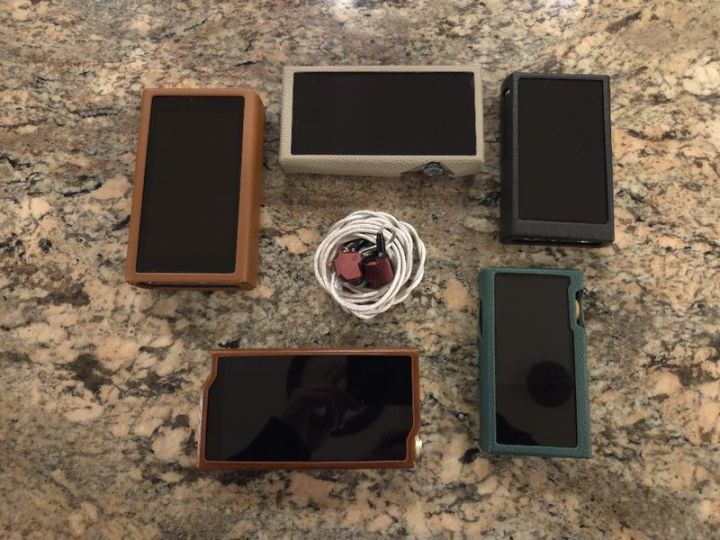
NiPO A100 – bass became a bit too boomy, wasn’t my cup of tea in this pair-up.
L&P W4 – here, the mid-bass punch got stronger, faster, tighter, more articulate, and the mids were slightly more forward and became more resolving. The soundstage width expanded a bit as well. I liked this pair-up.
iBasso DC Elite – this pair-up reminded me a lot of DX320Max as well, with a similar tight, articulate bass and more resolving, detailed mids. Mids were a bit smoother than 320Max, but still showed a similar improvement. I enjoyed this pair-up.
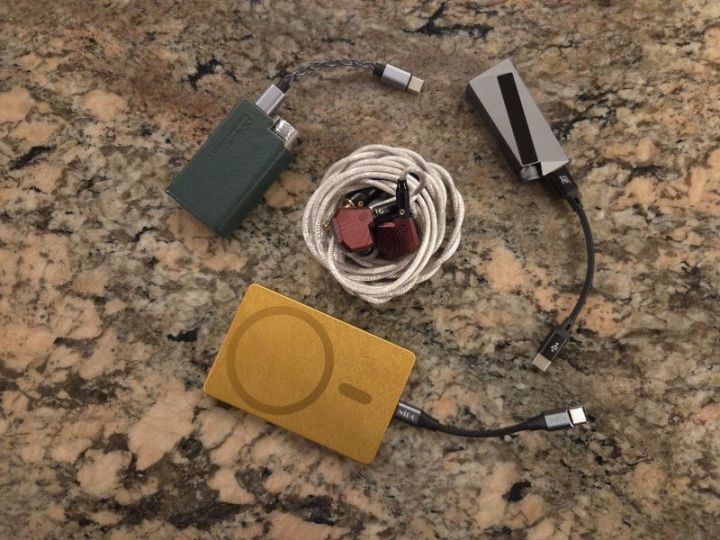
With Sonora SE, most sources paired well, but the one I enjoyed most was 320Max, DC Elite, W4, and N6iii w/T201 in solid-state mode.
Conclusion.
I’m surprised how these latest PlusSound IEM releases have been flying under the radar, because they definitely deserve more attention. Maybe because PlusSound is well-known for its cables, some don’t realize it can offer earphones of an equally high standard. I still find it rare when a cable or DAP manufacturer has the confidence to release a flagship-level IEM under its own brand name, because it is more common to see cable manufacturers collaborating with popular IEM brands to gain more credibility and visibility from a marketing perspective. So far, all PlusSound IEM releases have shown that kind of confidence and maturity in design and tuning, allowing them to go head-to-head with well-established IEM manufacturers. I’m no longer skeptical when I get their new IEMs out of the box. Instead, I get curious about the direction of the new tuning, to hear whether it is an upgrade, a side grade, or just fine-tuning. Which brings me back to the question I raised in the intro of this review: why SE and not MK2?
In this audio hobby, everything is subjective and based on our personal preferences. As I always say, it’s not about what is best, but rather what is best for you. It could be an upgrade for one person, while perceived as a side grade for another. To my ears, the Volta SE tuning was definitely on a level of MK2 upgrade, something I could easily recommend if you enjoyed the tuning of its OG unit. It took the original neutral tuning of OG and scaled it up with more authoritative bass performance, enhanced natural resolution, and improved soundstage expansion. Sonora SE change was more drastic, with some who might still prefer OG and others going for SE. Here, the original, more energetic W-shaped sound sig transformed into a U-shaped one, with deeper, more elevated subwoofer bass, a fuller body, laid-back organic tonality, and a more intimate sound presentation. In the case of Sonora SE vs OG, you have a choice and can still get either one. After all, there is no such thing as one size fits all, and while Volta/SE, Sonora/SE, and Allegro II share a common DNA, they all follow distinct mature tuning paths, giving you more options to choose from depending on your sound preference.

 Twister6 Reviews