
The Ultimate Bird!
PROs: a combined audio system with IEMs/cable/amplifier, custom connectors replaceable cable, unique headphone amp design with a 3-way 32-bit DSP-driven digital crossover and 12-channel analog amplification, 3.5mm/4.4mm/RCA amp inputs, independent gain control of lows/mids/highs, holographic soundstage expansion, powerful BA bass response on the level of DD driver, high resolution musical mids, and clear crisp natural treble.
CONs: price, pair-up source dependency, the size and weight of the amp (making it less portable and more transportable).
Oriolus Traillii Ultra was borrowed from Musicteck for testing and analysis.
Manufacturer website: Oriolus Japan. Available for sale through authorized retailers, including Musicteck.
Intro.
When it comes to the flagship IEMs, some enjoy the flavor-of-the-month spotlight, while others end up on a pedestal for a year or two. When it comes to the original Traillii JP, aka the Bird, even six years later, audiophiles still talk about it, and it continues to rank at the top of the Watercooler surveys on Head-Fi. With its fundamental 8BA/4EST design, there are no fancy, exotic drivers, complex switches, or removable modules. It was always about the original Traillii JP tuning, complemented later by the Traillii Ti, which has stood the test of time. And while the Bird fans have been patiently waiting for v2, Oriolus leaped forward with the Traillii Ultra announcement before the recent CanJam NYC show.
Actually, the real surprise came two months earlier when Musicteck mentioned the details about the upcoming Traillii Ultra in their Buyer’s Guide feature for the New 2026 Audio Trends. While this all-in-one audio system with a dedicated amp, non-universal, yet still detachable cable, and IEMs sounded familiar, it was clearly a completely different approach to sound processing. I was looking forward to testing it at Musicteck tables during the CanJam NYC show, but again, I ran out of time while waiting for my turn. Luckily, I was able to borrow it for a few days after the show to analyze, compare, and take measurements. Here is what I found.
Unboxing/Accessories.
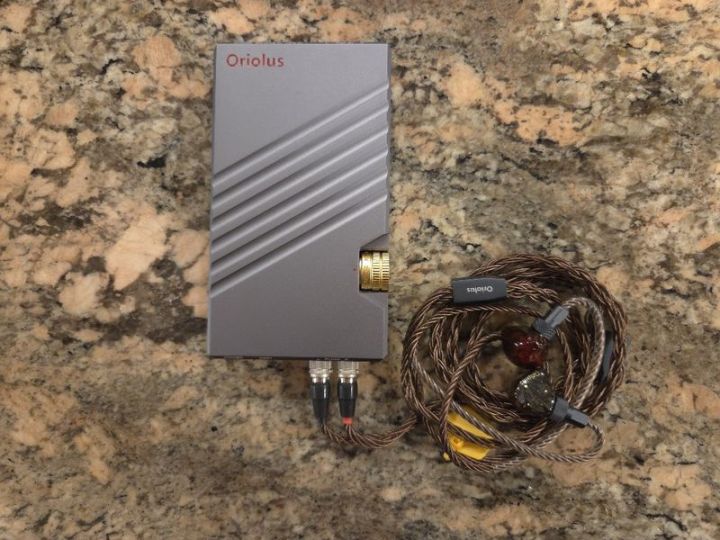
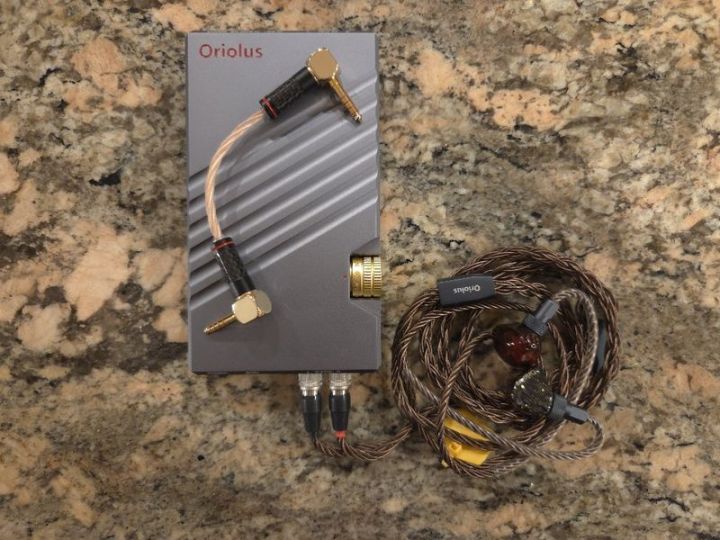
I can’t discuss the unboxing experience for Traillii Ultra yet, since I only borrowed the demo unit itself, which included a DPA 10 amp, IEMs with a detachable cable, and a short BAL IC cable with right-angle connectors.
Design.
Before talking about the individual components of the Traillii Ultra audio system, let me clarify something so there is no misunderstanding with people thinking that it’s “another FUGAKU”, and remind that the Brise Audio design has a multichannel analog active crossover and power amp inside the external amp module, a cable with proprietary connectors attached to the amp module, and a “serviceable” non-removable attachment to IEMs. Traillii Ultra also features an external amp module with custom detachable 6-pin connectors to the amp and IEM shells. Aside from drivers and tuning, the biggest difference is in the amp itself.
The DPA 10 headphone amp hosts a DSP board with a digital 3-way crossover and a 12-channel independent-drive analog amplifier. The analog signal from your source, DAP or DAC, is analyzed by a 32-bit DSP that precisely splits the incoming signal 3 ways, into low, mid, and high frequency bands at the digital stage. Then, each band is handled by individual analog amplifier stages, resulting in twelve independent channels. Such an architecture, which separates frequencies digitally and amplifies them in the analog domain, is common in reference loudspeakers, giving you more precision and control over each band. And on top of that, the DPA 10 amp has independent gain controls for lows, mids, and highs.
In more detail, the DPA 10 amp is housed in a grey aluminum ridged-pattern chassis and is on the larger side, typical of many recent flagship DAPs. It measures 160 x 90 x 22 mm and weighs 443g. You can use either its RCA Input, or 3.5mm SE Line In (max 2Vrms), or 4.4mm BAL Line In (max 4Vrms) inputs, all located on the back next to the charging port. The amp is rechargeable, using a 6,000 mAh Li-Po battery, which should last you on average 9 hours. I charged it to full when I received it, put a lot of hours into it over a few days of testing, and haven’t seen a low-battery indicator yet. The USB-C power port supports both regular (5hrs) and fast (3hrs) charging.
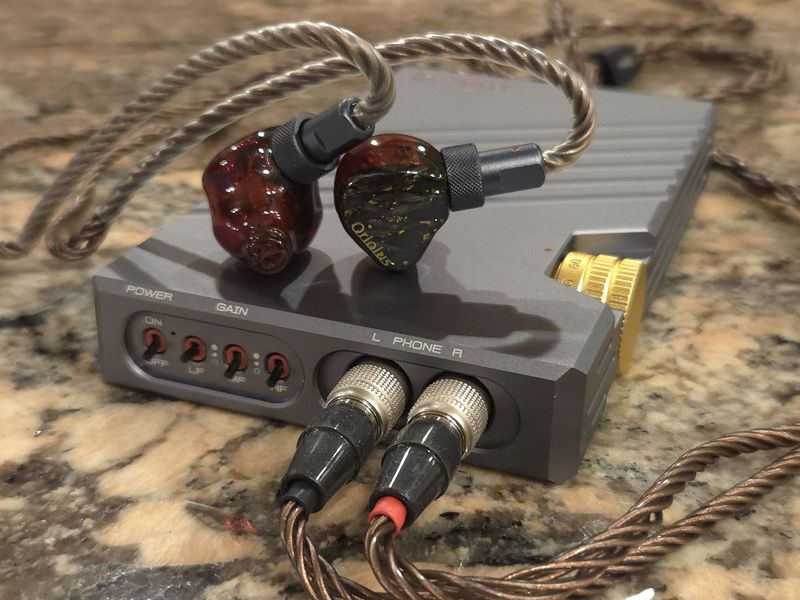
The front of the amp has two custom 6-pin ports (push-lock, pull-unlock small Hirose plugs), an on/off power toggle switch, and three independent 3-level gain-control toggle switches for lows, mids, and highs. In my sound analysis, I will refer to these gain switches as L (lows): L0-L1-L2; M (mids): M0-M1-M2; and H (highs): H0-H1-H2. On the right side of the amp, you have a gold-colored analog volume control knob with decent resistance, though it’s still easy to roll with a thumb from either the top or the bottom while guarded from other sides, so you don’t bump it by accident. The left side of the amp has no controls or ports.


The shells of the Traillii Ultra IEMs are similar to those of the Traillii JP, down to a short nozzle with 4 sound bores, just a little bit bigger in size, and a little more bulbous toward the nozzle. They have a black faceplate with gold sparkles and a translucent wine-red shell. The driver config is a 14-driver design with 4BA lows, 4BA mids, and 2BA & 4EST highs. The shells also feature a small custom 6-pin connector, using a Hirose plug with a tightening screw for extra security. The shells are relatively lightweight, about 13g each.


The included cable has 6 wires per left/right side, corresponding to 6-pin connectors as I mentioned above. The cable wires are braided in the middle and twisted as they separate into the left/right sides of the IEMs and the DPA 10 amp. Also included, as an accessory, was a right-angled 4.4mm BAL interconnect cable. I’m not sure about the wire material of either one. Obviously, you can use any 3.5mm or 4.4mm IC cable or a standard RCA cable. Regarding the IEM cable, while it uses a custom Hirose plug, you can probably source them externally if you wish to get a custom replacement cable. It’s great that the cable is user-replaceable.


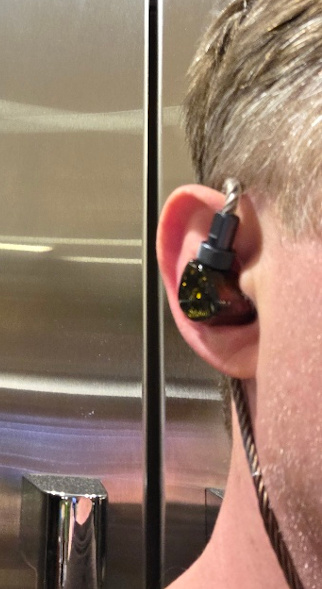
Overall, the IEMs are comfortable to wear, no different from using regular Traillii JP, and offer decent isolation, of course, depending on the eartips selection. But it is not a portable audio system; it is a transportable one that requires a bulkier portable amp connected to the source.
Page 2: Sound Analysis with Comparison, Source pair-up, and Conclusion.

 Twister6 Reviews