
Sound analysis.
I know that we shouldn’t expect too much change in the sound of BA drivers, but I have a habit of putting every new pair of headphones/earphones through 100hrs of burn in. Maybe it’s all in my head, but I believe that solder joints and miscellaneous components of the crossover get conditioned after an extended burn in period.
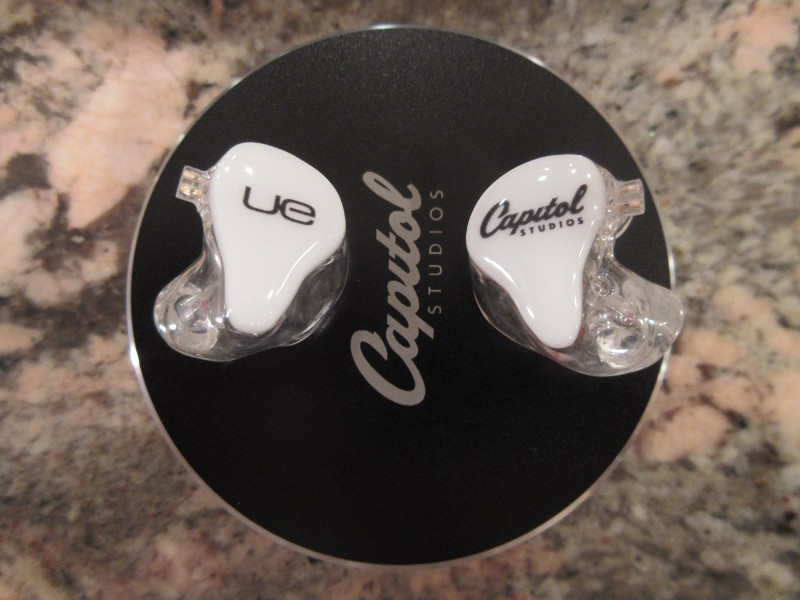
I find UERR to have a very natural and neutral tonality with a reference signature quality. This is not your typical flat boring reference quality, but rather a very organic transparent laid back sound with enough energy to get your attention. The presentation of the sound is so effortless, easily flowing without any overemphasized frequencies, keeping everything in a calm balance. The retrieval of details is on a high level, not analytical but still very resolving and transparent. The sound is very clear and detailed, and at the same time smooth and organic. The most impressive part of it is how natural it sounds.
Low end has an excellent sub-bass extension with a quality textured rumble, but it’s very neutral in quantity. Mid-bass has a nice fast punch and an average speed decay with bass being tight and well controlled without any hint of spillage into lower mids, but at the same tight lacking a bit of a weight due to a neutral sub-bass quantity. Lower mids are not too thick or too thin, but with enough body to give the sound a natural tonality without any muddiness or congestion. Upper mids are clear and very detailed, but not harsh or analytical. What strikes me the most is the natural timbre of the vocals, so organic and so realistic. Treble is crisp, extended, well defined, absolutely zero sibilance, and with a nice amount of airiness.
It has a great separation of instruments and vocals, everything is very clear and easy to distinguish, the layering effect is good but not on the highest level due to a smother nature of the sound. And as I mentioned before, there is no hint of muddiness or veil, the sound is very transparent. The soundstage has a very impressive width and a good depth where you don’t feel like being too close to the stage and yet not too far out of your head. With that in mind, you have a very accurate and realistic placement and positioning of instruments and vocals. Feels like you are right in the middle of the music, surrounded by a sound.
Comparison.
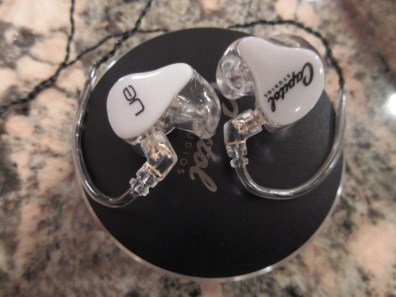
In this comparison I was using PAW Gold and Opus#2 as my reference sources while volume matching every pair by ear.
UERR vs K10UA – UE soundstage is wider, while depth is the same. K10 has more sub-bass quantity, mid-bass has a similar impact, and overall both have a tight, punchy, and well controlled bass. UE has a touch more body in the lower mids, with upper mids being a little smoother and more organic (the timbre of vocals sounds more natural with UE), while K10UA is a little brighter and more revealing. Treble in both is crisp and very well defined, but K10UA has more airiness and just slightly brighter.
UERR vs Pristine-R – UE stage is wider, while depth is the same. PR sub-bass has a little more weight, just enough to give bottom end a touch more heft; mid-bass punch is nearly the same, as well as similar control and articulation of the bass. Lower mids are also very similar, but not the upper mids where tonality of PR feels colder and less natural, while UERR is more organic, smoother, and less aggressive. UE treble is a little brighter, with more extension and a little more airiness. The improvement in treble extension also makes UE sound more transparent and with better layering.
UERR vs RE600 – UE stage is wider, while RE has a little more depth. More sub-bass in RE, but its mid-bass is flatter, slower and overall bass is not as tight or as articulate as in EURR. RE has is typical dynamic driver performance which can’t match BA, including not the same level of control to separate from lower mids. Lower mids in RE are thicker and upper mids are not as resolving, a little more forward, but do have a similar organic tonality, not exactly the same but close. UE treble has better extension, more crisp, and with more airiness. RE600 is a good neutral alternative on a budget, but it can’t match retrieval of details and higher resolution of UE.
UERR vs Andromeda – soundstage width is the same, while Andro has more depth. Andro has a deeper sub-bass extension with more noticeable quantity, stronger mid-bass impact, but UE bass is tighter and faster in comparison, even a little more articulate. Andro lower mids are a little thicker, but UE upper mids are smoother and more organic, especially with vocals which sound more natural in comparison. Treble is actually similar. With more low end impact and extension, Andro is more fun to listen to, while UE is more balanced and more natural in comparison.
UERR vs H8.2 – H82 has a little less width, while more depth in soundstage. H82 has more sub-bass and more impact in mid-bass with a lot stronger punch. In comparison, UERR low end is tighter and a little faster. H82 lower mids have more body and sound a little thicker, but upper mids are very similar in quantity and quality. They both have a very natural organic tonality with plenty of details. The only upper mids difference I hear is H82 being a little more forward. UE has a better treble extension and more airiness. Here, the bass and a little thicker mids is what separate UE and H82 the most.
UERR vs Sirius – very similar soundstage width, while Sirius has more depth. As expected, Sirius has more textured sub-bass extension and a bigger mid-bass impact with a stronger punch. Lower mids sounds similar, but Sirius upper mids push a little more back and sound a little brighter while UE sounds more natural and smoother while retaining the same level of detail retrieval. Treble is similar but UE has more sparkle and a little more airiness.
UERR vs ES60 – ES has a touch narrower soundstage, but a similar depth. ES has more sub-bass and stronger mid-bass punch, very similar lower mids and upper mids, and UE treble is more crisp with a better extension and a little more airiness.
UERR vs Zeus-R – very similar width but ZR has noticeable more depth. ZR has a little more heft in sub-bass while mid-bass is very similar. UE has a little more body in lower mids while ZR upper mids are more revealing and detailed in comparison. ZR treble is crispier, more extended, and with more airiness. UE sound is smoother and more organic in comparison to a more revealing and resolving ZR.

Pair up.
With a sensitivity of 100dB and impedance of 35 ohm, I didn’t expect any problem pairing up UERR with my sources.
LPG – neutral tonality with smooth retrieval of details, deep extended bass but neutral quantity, clear detailed mids, sparkly and extended treble.
AK120ii – neutral tonality, smooth detailed sound, great low end and high end extension, neutral bass quantity, a little less sparkle in treble.
X7 w/AM2 – neutral tonality, a little brighter sound with slightly more forward mids that lost a bit of that organic feeling. Good sub-bass extension, punchy fast mid-bass, a little thinner lower mids, brighter upper mids, a touch less airiness in treble.
Opus#1 – neutral tonality but with a warmer and a more balanced sound. The sub-bass gets more weight and I hear a stronger mid-bass punch. Mids still have plenty of body and excellent retrieval of details, nice organic vocals, crisp well defined treble. Really enjoyed improvement in bass quantity with this pair up.
X5 2nd gen – neutral tonality yet the sound is more balanced. Gets more sub-bass and a stronger mid-bass impact. Nice full lower mids and detailed organic upper mids. Treble lost some sparkle and not as extended, but still well defined. Overall sound is not as resolving.
Plenue M2 – a balanced dynamic sound, no longer typical of a neutral tonality. I hear a deep textured sub-bass with more weight and more punch in mid-bass – definitely more quantity. Bass really comes to life in here. Mids are still very resolving, detailed, organic. Treble is crisp and extended. Excellent pair up.
Opus#2 – balanced dynamic sound. Extended sub-bass with a nice deep texture and balanced quantity, nice mid-bass punch, very articulate bass presentation. Full body detailed mids, very resolving and natural. Extended crisp treble. Wide soundstage. Excellent pair up.
Galaxy Note 4 – the sound is more balanced, though not as transparent or resolving. I hear more sub-bass and the same amount of mid-bass. The overall bass is not as tight or articulate. Mids are smooth and clear but not as detailed, and I hear less sparkle in treble. This pair up wasn’t that great.
Conclusion.
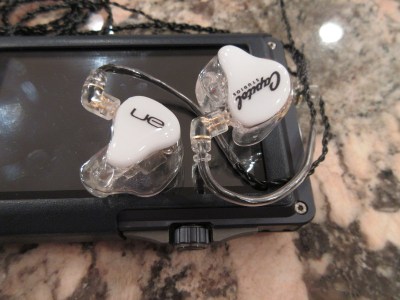
In a number of my reviews I often talk about not knowing what to expect prior to receiving a product, but in this case I had some expectations after reading UERM impressions. I know they are not tuned the same, but still after putting these monitors in my ears I realized that UERR exceeded all of these expectations. I can’t compare UERR to UERM, but did find UERR to give a new definition to a neutral resolving sound. What impressed me the most was Ultimate Ears being able to accomplish this while utilizing only 3 BA drivers, proving once again that it’s not about the number of drivers but how you tune them.
If you crave more impact in the lower frequencies to emphasize the bass or you are into a crisp analytical sound, these will not be your cup of tea and perhaps you can look into other UE Pro models. Where UERR excels is a neutral transparent expanded sound without overemphasizing any specific frequency bands, giving you a fatigue-free listening experience which is NOT boring! I know that UE suggests these are intended for mixing and producing because you want to have an accurate flat FR response without applying EQ to compensate for sound signature of your “fun” headphones. But as a former bedroom producer I found UERR to be equally appropriate for Music Production and Music Listening!

 Twister6 Reviews
I really really want a pair of UE, they have told me that they are the best so i wish i can win this pair.
LikeLike
I sat listened & compared the top bands looking for the highest of quality for IEM’s and hands down the best was UE.
LikeLike
Sounds just my best type of IEM. I really wish I could win this one.
LikeLike
I am a very satisfied owner of ultimate ears ue7 pro and i would LOVE to have this pair as a reference studio earphone for my recordings and mixes.Fingers crossed!
LikeLike