

Pair up comparison.
Instead of starting with Sound Analysis followed by Pair up, I decided to switch things around. To understand the sound benefits of a new cable, it was important for me to test it with different C/IEMs and to compare it against the stock cable. And while doing this comparison, I made sure to volume match monitors so that loudness effect wasn’t interfering with a comparative analysis. As a usual disclaimer, this is my subjective opinion describing how I hear the sound changes, and I don’t expect everybody to hear it the same. Also, I used DX200 and Opus#2 as my sources to make sure there is consistency in the perceived sound difference.
K10UA (SPC to 1960-2w) – soundstage width and depth expands. Bass is tighter and more articulate. Lower mids sound the same, while upper mids are now a little more forward. I hear treble being crisper. Overall sound is more resolving and transparent. This is a first replacement cable which I found to improve the sound of K10UA to my liking without making it too harsh or too dull.
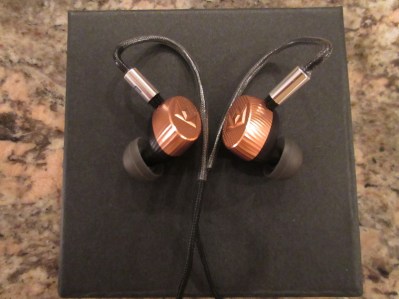
H8.2 (OFC to 1960-2w) – improves soundstage width and depth. I hear a tighter and more articulate mid-bass. Upper mids are slightly more forward, brighter, more revealing/detailed. Treble sounds the same. It feels like a veil was lifted off.

S-EM9 (OFC to 1960-2w) – improves soundstage depth, width sounds nearly the same. I hear a tighter and faster mid-bass punch. Mids are more revealing, more detailed, more forward. I hear treble to be crisper. Overall, this cable brings up more details, and the mids perception is a little more forward.
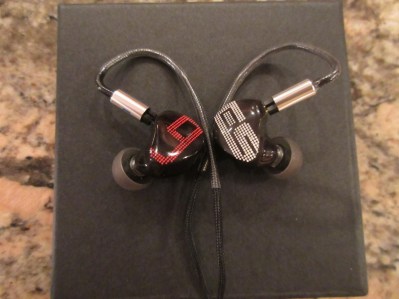
U12 (OFC to 1960-2w) – improves soundstage width and depth. I hear a tighter and more articulate mid-bass punch, more clarity and improvement of detail retrieval in the upper mids, also crisper treble. Retrieval of details just jumps right at you, yet the sound remains smooth.
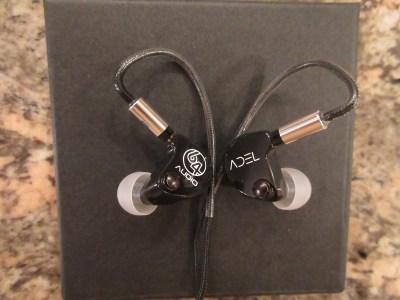
In the following comparison, I will step through a number of different premium cables to describe the “evolution” of the sound improvement as I hear it. For this testing, I was using EE Zeus-XRA and AAW W900. Also, majority of these cables is available for sale from Music Sanctuary.
Zeus XRA (OFC to SPC) – soundstage sounds similar. Bass sounds tighter, but has the same quantity. Upper mids are brighter, more revealing. Treble is still crisp.
Zeus XRA (SPC to TWag v4) – soundstage a little wider. More sub-bass texture, mid-bass is tighter, mids are a little more forward, revealing, more transparent. Treble is crisp and non-harsh. Overall sound is tighter, more controlled.
Zeus XRA (TWag v4 to Silver Thor II+) – soundstage width is the same, but I also hear a little more depth. Bass has a little more sub-bass rumble, and a slight lift in mid-bass. Lower mids feel like they have more body and upper mids are a little smoother, but still revealing and detailed. Treble is also a touch less crisp. While upgrade to TWag v4 had an effect of a more controlled and tighter sound, Thor II+ makes sound smoother, adds a little more body, and shows some improvement in the bass.
Zeus XRA (Silver Thor II+ to TWau) – soundstage width is the same, but depth scaled back to TWag v4 level. I hear a stronger mid-bass punch, a little more body in lower mids, and more organic smoother upper mids. The sound did lose some sparkle from the top. But it gained a smoother body with a more organic texture without compromising retrieval of details.
Zeus XRA (TWau to 1960-2w) – soundstage is wider and has more depth, more expanded. Bass has a more textured sub-bass rumble and a touch more mid-bass impact. Bass is tight and articulate. Lower mids are more neutral, while upper mids are more revealing, more transparent, more detailed, and slightly more forward. Treble also got more sparkle and more airiness. 1960-2w feels like a combination of Thor II+ and TWau, where it got the best of both worlds.


W900 (stock SPC to No5) – soundstage opens with improvement in width and depth. Bass is tighter and has a slightly better definition (cleaner edges) and a little more impact. Lower mids sound similar, though it felt like SPC had a little more body, being slightly north of neutral while No5 is more neutral; in contrast, upper mids have a little more clarity, more revealing. Treble has a noticeable improvement in sparkle and airiness. Overall, it does feels like a layer of veil was lifted off. Sound is louder due to lower impedance of the wire.
W900 (stock SPC to TWag v4) – soundstage is a little bit wider. Bass extension and impact is very similar, and so does lower mids. I’m hearing a difference in the upper mids being brighter, more revealing, and slightly more forward. Also, more sparkle in treble.
W900 (TWag v4 to Thor II+) – soundstage width (same), but depth has improved. Bass is tighter and has a better definition (cleaner transition edges) and a little more impact. Lower mids are a little more neutral, while upper mids are similar and a little more forward, and similarly brighter and more revealing. Treble has an even more sparkle and airiness. Thor II+ improvement was like No5 and TWag v4 combined.
W900 (Thor II+ to TWau) – soundstage is similar to Thor II+, wide and deep. Bass is as tight but now is a little less aggressive, more analog with a slightly longer decay. Lower mids are similar, while upper mids are as revealing and detailed, but a little more musical, slightly more organic. Treble extension and definition are similar, but a little less sparkle and a touch less airiness.
W900 (TWau to 1960-2w) – soundstage takes another step toward width expansion. Bass is tight, similar to TWau while being not as aggressive, but became more articulate and layered. Lower mids are more neutral, while upper mids are a little more forward, more revealing and brighter (less organic in comparison to TWau). Treble gains back some sparkle and airiness.
W900 (1960-2w to 1960-4w) – soundstage width and depth are similar, but now it feels like width of staging wraps around you, more 3D expansion. Bass is tight, articulate, layered, and now has noticeably more punch. Lower mids are similarly neutral, and upper mids are as revealing and detailed but now also a little less drier and with more depth. Treble has a better extension, some improvement in definition, airiness, and more controlled sparkle. The sound feels more transparent and with a better layering.
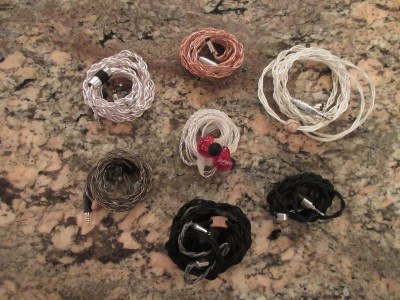
Also, going back to Zeus XRA comparison between 1960-2w and their PWA No5 cable.
Zeus XRA (No5 vs 1960-2w) – A rather noticeable refinement in sound with 2w. 2w soundstage is wider and a little deeper, the bass gets tighter, more articulate, better controlled, and mids and treble have better definition, and smoother and more natural tonality. I still think No5 is a fantastic cable on a budget, it gives Zeus XRA a little more body, warmth, and brings up more details in mids without making it harsh or grainy like some other SPC or Silver cables. If you want more analytical details and to keep mids more forward, SPC/Silver will do it. If you want more body and smoother performance, pure copper is the way to go with Zeus. No5 is a great cable on a budget, but 2w/4w is still on a whole other level of performance and price tag, targeted at audiophile purists who have no price boundaries and want (and can afford) the absolute best.
As a bonus, here is a quick overview of No5:


Sound analysis.
What impressed me the most about 1960 cable is that it doesn’t drastically change the sound signature or significantly boost any specific frequency, but rather like a microscope, it zooms into the sound to reveal and to emphasize more details in a natural and transparent way. It did change the perception of the upper mids, bringing it a little more forward while also giving more width and depth to the sound.
With a treble, it doesn’t add too much airiness, but makes it crisper. Bass gets tighter and more articulate, improving the PRaT factor due to a faster speed. Mids become a little brighter, slightly more mid-forward (how I perceive the sound), with improved retrieval of details and higher resolution – never harsh-bright, just more detailed and even more natural. As I mentioned before, soundstage improvement was also noticeable.
When going from 1960-2w to 1960-4w, I hear a further expansion in soundstage width, the sound is more 3D in width while depth remains the same. The sound becomes more transparent and even a little more revealing, but not at the expense of being brighter or thinner. I do hear 2w to have a little more body with a little hint of additional warmth, while 4w is more neutral and incredible transparent. Thus, for Zeus XRA I prefer 1960-2w to give sound more body, while 1960-4w made Zeus sound a little too revealing for my taste. With W900, I prefer 1960-4w over 2w since it gives sound more transparency and better resolution while making it a little brighter and leaner.


Conclusion.
I get a lot of questions from my readers asking what should be their next upgrade step. I don’t consider cable to be at the top of the priority list. First, it’s very important to find the source and the headphones with the best synergy to satisfy your sound craving. That should be a baseline of your setup, especially headphones with a sound signature of your preference. If you are dealing with IEMs, try to go through different eartips to see how you can adjust the sound further. Once you are done, or if you have CIEMs, cable could be a part of your final step to fine-tune the sound. Just have realistic expectations that cable change might not yield a drastic sound upgrade, and because something cost more – it doesn’t mean it will be automatically better.
With PWA Blackicon 1960s series, these premium cables are targeted at a very niche market with people who want to squeeze (down to the last %) every ounce of the performance from their C/IEMs and willing to pay premium price with a clear expectation of diminishing returns. When I tested 1960 cable, I heard a difference and an improvement in sound which scaled up performance of many $2k TOTL flagship C/IEMs. And the improvement was not just a brighter or tighter sound, but the actual improvement in a natural transparency of the sound and the retrieval of the details. We have C/IEMs reaching and surpassing $3k and full size headphones up to $6k. For those who think these prices are crazy, look around Head-fi to see how many people are actually pre-ordering and buying these products. If you put it in that perspective, $2k IEM with $1k cable which pairs up and transforms into a very resolving and transparent TOTL flagship might not sound as crazy.
Is 1960 cables expensive? Heck yeah! Do they look like a million bucks? They have a very durable look, but nothing too fancy. Do they improve the sound quality? I have 1960-2w “permanently” attached to Zeus-XRA, while 1960-4w doesn’t leave W900 sight. As a matter of fact, both of these pairs traveled with me to CanJam NYC where I let different head-fiers and manufacturers listen to it. So, Yes, I’m hearing sound quality improvement and now can’t go back to other cheaper premium cables. And by “cheaper”, I’m talking about other $400-$500 cables, though they don’t necessary sound 50% worse (that’s a part of the diminishing returns I was talking about, don’t expect double in price to bring double in performance improvement). If you can afford it and want to best, I have no problem recommending PWA 1960s cables. For everybody else – PWA No5 is one damn fine cable at a much friendlier price.

 Twister6 Reviews
would you recommend this cable for the xelento? or is there another cable you prefer?
LikeLike
Hard to tell because most of the cables I have are 2pin, while Xelento is mmcx. Another thing to keep in mind, Xelento doesn’t work with every standard mmcx connector cable. I’m personally ok with their stock cable.
LikeLike
Great, comprehensive review. Too bad you couldn’t get the PW Limited to talk about. That’s the one I’m thinking of going with for my CL2 and Sony 1A.
LikeLike
Didn’t even know one existed.
LikeLike
Thanks for the review. Would the 1960 2-wire pair well with a Tia Trió ?
LikeLike
Sure, and 2wire version will pair better than 4wire in this case.
LikeLike