
Comparison.
In this test, I was using U18t and Q1 set to high gain. This comparison is mostly based on sound performance comparison, though I added a few additional thoughts to cover other features. Each of these DAPs has their own Pros/Cons when it comes to features, all of which should be taken into consideration depending on your priorities and personal preference.
Q1 vs Shanling M0 – in theory these DAPs supposed to have an identical sound performance since they use the same DAC, but surprisingly there are a few differences. I tested and compared both in high gain where their performance is at its best. Both have very similar neutral-balanced signature with a brighter more revealing tonality. And both have great dynamics, but the vertical expansion of peaks is slightly better in Q1, thus having an upper hand in sound dynamics. A more noticeable difference is in soundstage expansion where Q1 sounds wider. Bigger display and hardware playback controls is another big advantage of Q1, outside of the sound.
Q1 vs Hidizs AP80 SS – a very similar soundstage expansion, maybe Q1 is a touch wider, but it’s very close in this comparison. The sound signature and tonality are where I hear more difference in this comparison. AP80 tonality is brighter, especially in treble, while Q1 is more natural and more neutral in comparison. Both have a great treble extension and definition, but AP80 has more sparkle. Also, the difference in bass impact is quite noticeable as well where with the same pair of IEMs Q1 goes deeper and hits a little harder in comparison to a more neutral bass of AP80. Aside from that, very similar functionality, small compact design, hardware playback controls, and with Q1 having just a little bigger display and overall dimensions.
Q1 vs Hiby R3 Pro – in this comparison if you look at 3.5mm port of R3 Pro, its sound has narrower soundstage and less expanded dynamics, but when you switch to its 2.5mm balanced output, the soundstage width and vertical dynamics expansion of R3 Pro is on the same level as Q1. They both also have a similar bass impact. The only difference is in tonality where R3 Pro is a little brighter at the top, especially with more sparkle in treble while Q1 has a more natural treble tonality, still crisp but with a bit less sparkle. In other comparisons, besides R3 Pro having a little bigger display, its balanced output has more power and it also supports Tidal and Qobuz streaming. Also, Q1 price which is almost a half of R3 Pro should be taken into consideration.
Q1 vs Cayin N3 – the difference in sound here is quite noticeable. Starting with a soundstage, Q1 is a lot wider in comparison to a more average width soundstage expansion of N3. When it comes to tonality, N3 is warmer and smoother, with a more subdued treble in comparison to a more balanced signature of Q1 with a more revealing detailed tonality, especially crisper and better defined treble. Also, Q1 sound has better dynamics where in comparison N3 sounds a little more congested. Plus, Q1 has a touch screen and more intuitive controls in comparison to N3 which is not touch-screen.
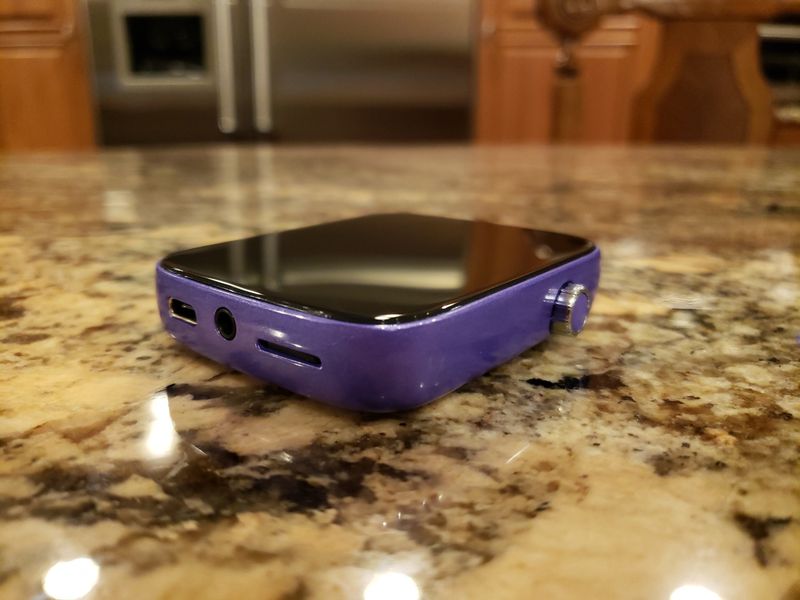
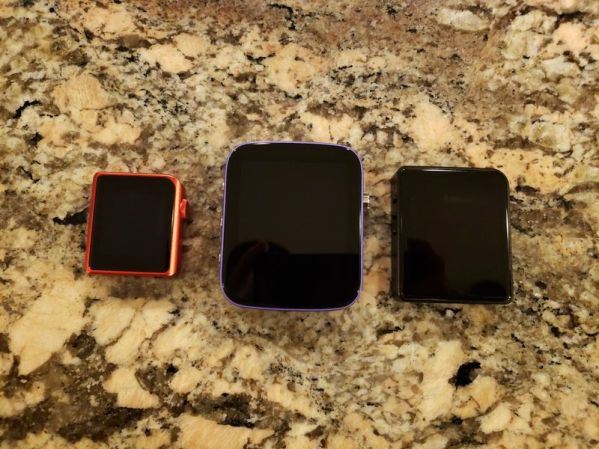
M0 vs Q1 vs M1
Other Wired/Wireless connections.
In this section of the review I will go over various wired and wireless connections I tested and verified with Q1.
USB DAC.
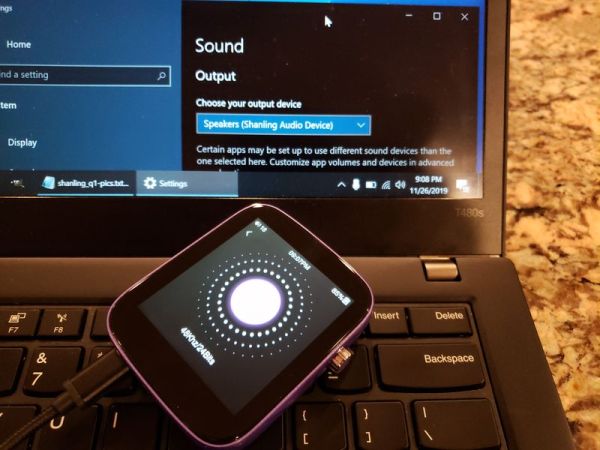
After installing Windows driver from Shanling website, Q1 was recognized without a problem and worked OK on my T480s (Win 10 Pro). Volume could be controlled from both laptop and Q1. The sound is nearly the same playing from a local Q1 storage vs using Q1 as usb dac.
Wireless Bluetooth.
I teste Q1 wireless performance with B&W P7W. Bluetooth connection was solid, 50ft away from Q1 in open space. Q1 paired up with P7W using aptX, the highest supported codec of P7W, and I was able to control volume, play/pause, and skip tracks from P7W remotely without a problem. The sound was rich, dynamic, U-shaped – a typical sound performance of P7W.


Line Out (LO).
In this test I used FiiO E12A, after switching headphone output to LO. Once in Line Out mode, the volume is set to the max, and you can control it from your amplifier. The Line Out is not a true output of the DAC which bypasses the amplification stage, but the sound was still clear and undistorted, making Q1 convenient to use with external amplifier to boost the output power or to color the sound.
Digital Audio Out.
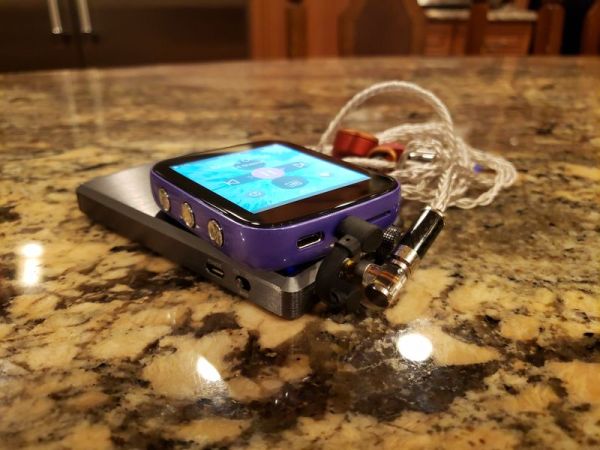
In this test I verified Q1 to work OK with micro iDSD, connected to USB-C port, where the volume could be controlled from either Q1 or micro iDSD and the sound has a typical micro iDSD signature. I also tested Q1 with iBasso DC01 – recognized without a problem and without issues controlling the volume from Q1, giving a full dynamic range of volume adjustment. This USB Audio Out option could be configured with Fixed or Variable volume in settings.


Conclusion.
While most of the latest Shanling M-series DAPs have a similar uniformed scaled up/down look with a low profile volume/power wheel and hardware playback controls on the left side (except for M0), this new Q1 takes a totally different approach with a more fashionable sense to appeal to consumers who value the “looks” as much as the sound. Actually, M0 was the first to set that trend with its unique micro-design that captured attention of many consumers, but due to a very small touch screen and lack of physical playback buttons it wasn’t as practical for some audiophiles.
Q1 takes M0 to a new level with a bigger and more user-friendly touch screen, physical playback buttons, easier to grip volume wheel, bolder colors, bigger longer lasting battery, and improvements in sound performance. With all these changes, even picky audiophiles will be pleased, especially due to improved sound dynamics and soundstage width expansion. Q1 is heavier due to a new chassis material and bigger battery, but the benefits of more unique colors and extended battery life outweigh it. If you are a fan of M0 or want something smaller than M2x, Q1 will be right up your valley with its cool looks, design, and the sound.

 Twister6 Reviews
Do you think the Q1 has enough power to drive the Sennheiser HD650? The Sennheiser is not terribly demanding compared to Planars but still has a 300 ohm impedance. Thanks.
LikeLike
I get this question asked a lot, after many dap reviews. One of these days I might have to buy a used pair of HD650 just for review testing… I can’t answer this question without trying this pair up. But my gut feeling tells me it won’t pair up well in this case.
LikeLike
Thanks for your answer. I guess because many people own a pair of HD650 (or Drop HD6xx) or at least are familiar with its tuning and capabilities so its a good reference headphone that people can immediately associate with. haha
LikeLike
Hi Twister6. I would know if the sound of Q1 is better with iBasso Dc01 or not. Thanks. Chiara.
LikeLike
Based on the sound quality alone, they are very close. Based on functionality, Q1 is a standalone dap with a lot more features.
LikeLike
Thans . I think that could be interesting give a balanced output to Q1 with iBasso Dc01, but I know that Q1 is better than Dc01. And what do you think about Q1 + Iem Fiio f9 pro ? Thank you for your replay !
LikeLike
sorry, no experience with fiio iems.
LikeLike
if you compare the sound only with Cowon Plenue D2 which do you advise me
LikeLike
Sorry, never heard D2
LikeLike
Alex, great review. I can’t tell you how many times I’ve come back to it for reference.
If I may, the D2 is higher quality in every way SQ-wise on a test bench, but of course, you must pay a lot more for it. It is also more powerful. That said, at the ear, with the right filter, I see no appreciable difference between the D2 and the Q1. The difference is 3dB at the top end, where the Q1 tops out at 118dB or 117dB and the D2 tops out over 120 for dynamic range and noise.
LikeLike
@ohm thanks for adding your answer. I seriously doubt between the D2 and Q1 .
I do have M0 for now and Cowon iAudio X5. I prefer the sound of the latter, it’s more natural comparing to M0, but the X5 battery dies, I’m not that handy to fix that.
LikeLike
How does q1 compare to shanling up2 or up4 (unbalanced) when used just as a bluetooth receiver?
LikeLike
Sorry, I don’t have Up2/4 for comparison. But wouldn’t be surprised if the sound is close enough.
LikeLike
Any guess how would that sound with Andros?
LikeLike
should have a good wide soundstage, and more balanced natural tonality. A little on a smoother side in mids, not the most technical, but a very pleasant tonality, similar to M0.
LikeLike
Cheers, thank you!
LikeLike
Hello, how would the sound quality compare to a Fiio BTR5 or BTR3 or any other Bluetooth dac you have?
Thanks,
Sev
LikeLike
I don’t have any fiio Bluetooth dac wireless adapters, only a few from Hiby (w3 and W5), and Q1 sounds better.
LikeLike
Hi, very helpful review!
This is my first time buying a DAP so I am going to get this one. Have been hearing a lot of good things about them. Can I ask a big favor? I am ordering from this website ( http://www.headphonezone.in ) because I am from India. Could you suggest me a good pair of IEM and over the ear Headphones that matches nicely with the Q1?
I’ll be eternally grateful!💕🌌💕
LikeLike
There are literally hundreds of IEMs out there, and often it comes down to your sound preference and budget. A few of my favorite iems are in $2k-$3k USD price range which I use with $1k-$2k USD cables. But I have a feeling, that is not what you are looking for to use with your first dap. Another problem, you might find some you think you like but it won’t be your cup of tea when you get them and you will be stuck. So, talk to the local guys at headphone zone, I heard good things about that store. Figure out and tell them your preferred sound sig, type of music you listen to, and most importantly the budget. Narrow it down to a few choices, and if you are still stuck making the final decision – comment here again.
LikeLike
I got a great deal at 47$ for TFZ MyLove edition and made a friend along the way!
Thanks for taking time to reply 🥰🌸
LikeLike