
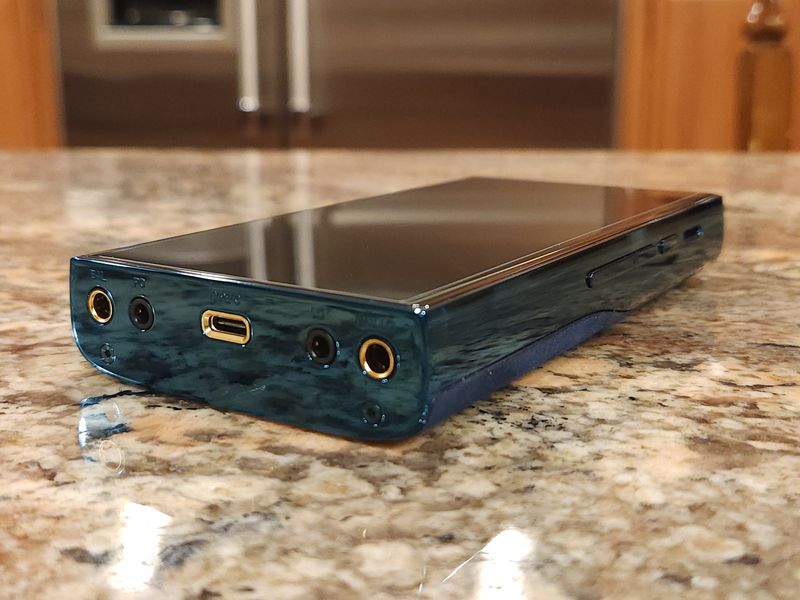
Pair up.
Here is how R8ii pairs up with some IEMs and headphones. In each pair up I noted the volume (V) setting. All were connected using 4.4mm BAL, Turbo on, and tested in high-gain with Headphones and mid-gain with IEMs. High gain and Turbo were definitely necessary for headphones.
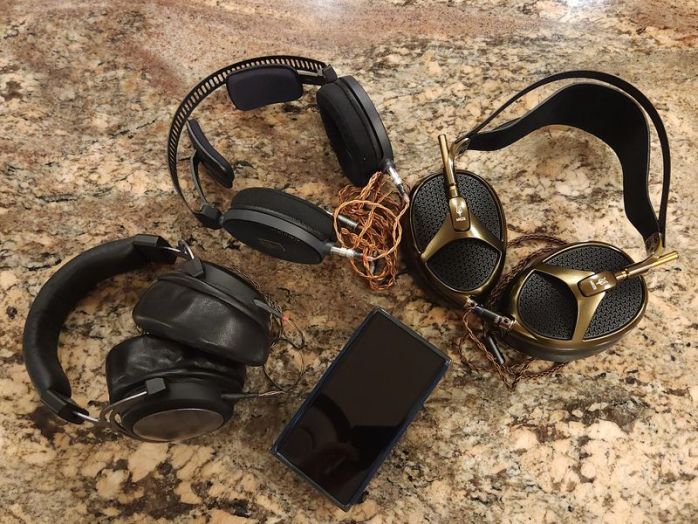
Headphones.
Audio-Technica ATH-R70x (V55) – These 470ohm open back cans are usually not as easy to drive, but I had no issue even at 55 with plenty of overhead volume. The soundstage is pretty wide and the sound is very open, but I do hear more depth/height in comparison to width, though imaging is still on 3D holographic level. Sound signature is balanced, and tonality is very natural, organic, and quite resolving at the same time. I was a bit surprised since many pair ups with R70x yield a warmer or more neutral tonality, while here it was more naturally-revealing with an excellent retrieval of details. The bass performance is good, with a textured sub-bass rumble and tight mid-bass punch. Mids are natural, detailed, quite resolving, and have a bit more forward presentation. Treble is also clear and detailed, with plenty of sparkle and airiness, and still very natural. I noticed that turning the Turbo off made mids/vocals a bit smoother.
MEZE Audio Empyrean (V40) – I hear a wide-open soundstage with an excellent holographic imaging, with the sound extending further out, more out of my head. The soundstage has more depth/height than width. Sound signature is closer to balanced, and the tonality is natural and very detailed. Bass has a deeper sub-bass rumble and rounded mid-bass punch. The weight of the bass notes comes mostly from sub-bass, mid-bass is there, packs a good punch, but with a slower attack. Lower mids are a bit north of neutral, adding more body to the sound, while upper mids are natural, smooth, with a slightly pulled back presentation. Treble is clear and detailed, has a little extra crunch but nothing harsh or splashy. The treble is airy and extended. With deeper sub-bass and extra crunch in treble while upper-mids are pulled slightly back, the overall balanced sound sig is leaning a bit toward U-shaped tuning here.
Beyerdynamic T5p 2nd (V37) – Excellent soundstage expansion in all 3 directions, along with 3D holographic imaging. The sound is relatively balanced, very natural, and actually a bit more revealing here. The tonality is leaning more toward natural-revealing side with less coloring. Bass has a deep textured sub-bass rumble and tight punchy mid-bass. The weight of bass notes is distributed evenly and not as elevated. Lower mids are closer to neutral, maybe just a touch north of it, and have a natural amount of body, while upper mids have more clarity, transparency, still natural, but more revealing in comparison to other pair ups. Vocals came out clear, detailed. Treble also has plenty of clarity, details, and natural sparkle with a good airy extension.
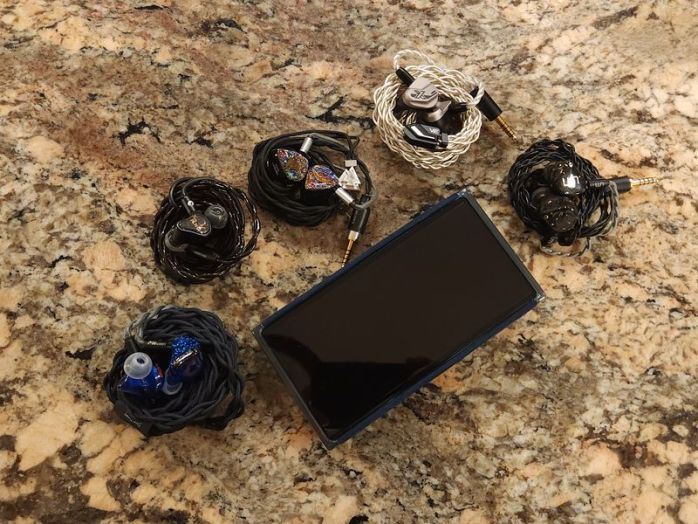
IEMs.
Aroma Jewel w/FT (V35) – The soundstage has a round proportionally expanded shape with a very precise imaging. Sound signature is balanced, with a natural resolving tonality and more forward presentation of the sound in upper mids. Bass is pretty deep, has a textured sub-bass rumble and a punchy mid-bass; the bass is tight and articulate, with R8ii helping it to gain a bit of extra weight. Lower mids are a bit north of neutral, adding a bit of extra body to the sound. Upper mids are natural-resolving, not too bright, but with plenty of clarity and excellent retrieval of details. Treble is crisp and detailed, still natural and with a rather good airy extension.
Empire Ears Odin (V30) – I can confirm a pitch-black background with zero hissing even at high gain in Turbo mode. The soundstage here is huge, and the imaging is holographic. Bass extends deep with a textured rumble (adding a bit of extra weight) and mid-bass has a strong tight punch. Lower mids are neutral, maybe a bit toward the leaner side, while upper mids are natural, revealing, very detailed, nicely layered, being slightly more extended out of my head. Treble is crisp, clear, detailed, natural-revealing and yet, without any sign of splashiness. The overall sound is leaner and more revealing, but still maintains a natural revealing tonality.
FirAudio RN6 (V31) – A big holographic soundstage expansion, actually quite wide though I feel there is a bit more depth/height with the sound projecting more out of my head. Unlike other sources paired up with RN6, this one has a more balanced signature with a powerful speaker like analog bass, thanks to its kinetic bass drivers, natural detailed mids and vocals which don’t feel recessed, and crisp natural treble. I’m always on the fence describing sound sig of RN6 due to its powerful bass. Here, the sound does feel balanced with an elevated bass which doesn’t overpower mids, and doesn’t push it toward L-shaped tuning. Really enjoyed this pair up.
UM Mest MKII (V35) – Wide soundstage expansion. As expected, I found U-shaped sound signature, even leaning more toward balanced, with a deep analog quality dynamic bass where I hear more emphasis on sub-bass rumble which adds extra weight to the low end. But mid-bass also had a nice tight punch. Lower mids are neutral, just with a touch of extra body, but overall, they are neutral which brings more attention to revealing upper mids. Mids are pushed back, one of the contributing factors of this U-shaped tuning. Treble is bright, crisp, airy. Actually, I found treble to have just a bit too much energy. So, I played with setting, switched to Class A, turned off Turbo, and selected Darwin NOS filter which brought mids more forward, took an edge off the treble, and created a more natural presentation of the sound.
Vision Ears VE10 (V22) – With VE10 being one of my more sensitive IEMs (Campfire IEMs are currently on loan to another reviewer), I do have to mention there is mild waterfall hissing for a few seconds when idling (until amp section turns off) and in quiet passages of songs (like the intro of The Curse). VE10 has a balanced sound signature with a fuller body natural detailed tonality. Sub-bass rumble here has a little more weight and lower treble peak is a bit more accentuated, giving treble more crunch and improving the overall resolution of the sound. Due to a mild waterfall hissing, I preferred VE10/R8ii pair up with busier tracks like EDM/Pop/Rock, and not as much with instrumental or less layered tracks.
Wired and wireless connections.
Besides being a portable DAP, you can expand R8ii functionality as a transport to drive external DAC/amp, to use external AMP, or to turn the DAP into wired/wireless usb DAC. And of course, you don’t have to be limited to wired headphones, and can take advantage of Wireless Bluetooth connection.
Wireless/Bluetooth
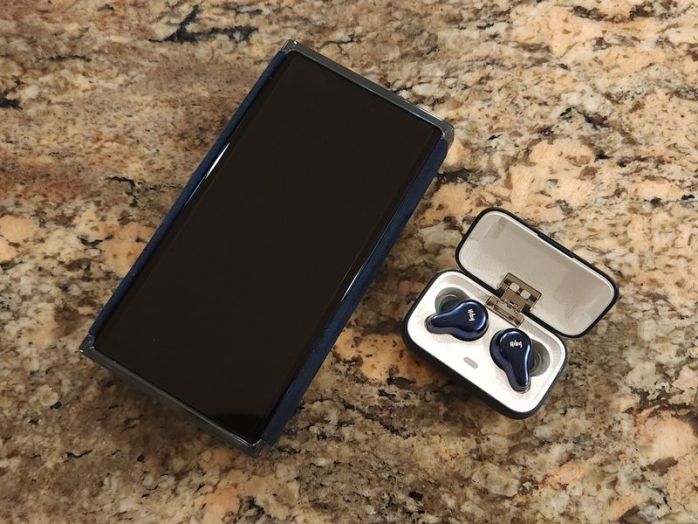
I tested R8ii BT Tx with Hiby WH2 TWS, confirmed operation within 30ft. UAT codec support was recognized and I was able to pair up using it as default hi-res codec. Also, confirmed full remote control of the playback from WH2. The stability of the connection and the sound quality were no different than using my Galaxy S22 phone, though with my S22 I get closer to 40ft of open space coverage.
R8ii also has BT Receiver mode which turns this DAP into a wireless DAC/amp. Simply go to Bluetooth menu of R8ii, click on Bluetooth Audio Input, and then search for R8ii from your smartphone. When paired up, make sure in BT setting of your phone to click on gear setting icon next to R8ii and select LDAC.
USB Audio Out
I tested and verified this one with various popular USB DAC dongles, such as RU7, W4, and DC Elite, and found it to work without a problem. Similar to how I have it configured in HibyMusic with my Galaxy S22, I had Exclusive HQ USB audio access enabled and selected USB Audio Performance mode. The sound quality was no different than when connecting these dongles to my Galaxy S22 phone.
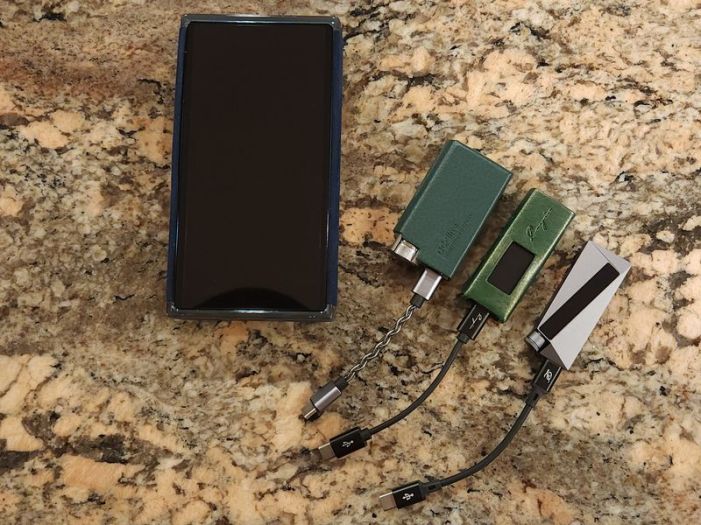
USB DAC
I verified this functionality using my ThinkPad T480s laptop running Win10 Pro. Once connected, swipe down Notification bar on R8ii and tap on USB Preferences, then select either Audio in (enable usb charging) or Audio in (disable usb charging) to enter USB DAC mode. From USB DAC screen you have access to change audio settings and to enable Bluetooth. No drivers required, Win10 recognized the DAP without a problem, and R8ii was selectable in Windows Audio Setting. Volume could be adjusted from Laptop and from R8ii. Sound is the same either playing directly from R8ii or playing the same song from laptop with R8ii connected as USB DAC.
Coax out
With an optional usb-c to coax cable (for Hiby and Cayin daps), you can turn R8ii into an audio source/transport. Just plug it in, connect to external DAC/amp, and it works right away. I was using iFi micro iDSD BL and everything was recognized without a problem or the need to enable anything in Settings. Volume was only adjustable from micro iDSD, not R8ii. And actually, with micro iDSD BL the sound was even better with Coax than digital out.
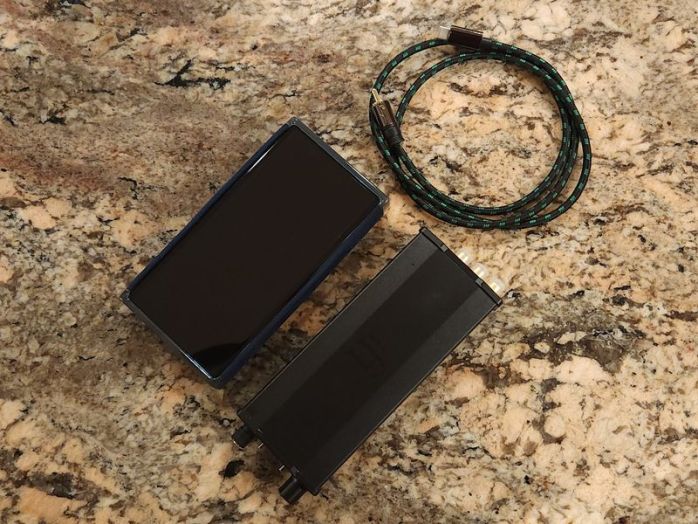
Line Out
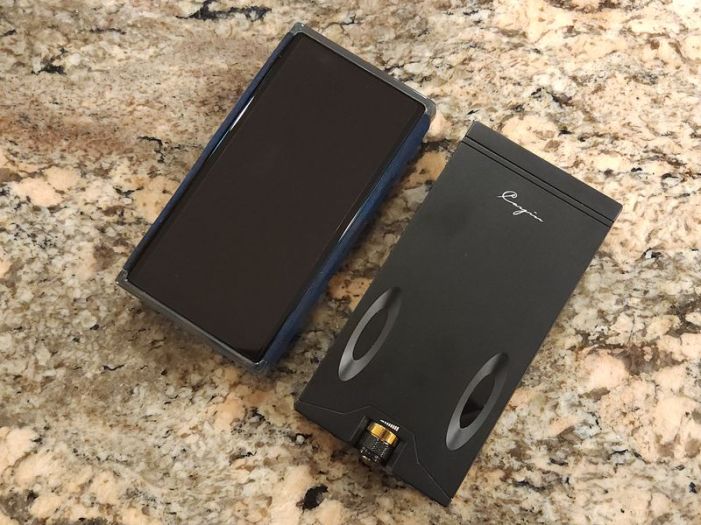
R8ii has automatic detection when Line Out is connected (icon in notification bar), then sets the R8ii volume to a fixed max level so you can only adjust the volume from external amplifier. I think the initial fw of R8ii has a bug since the volume value can be adjusted on display without actually changing the output. I did my testing with Cayin C9 amp. If you need more power or want to expand your soundstage and add more air to the treble, or make mids smoother (like RS8) then pairing up of R8ii with C9 is a great way to get there. The sound remained natural and organic, and you can select NuTube for more analog texture. Switching to NuTubes on C9 widened the soundstage expansion, also quite noticeable.
Conclusion.
As soon as I started testing and analyzing R8ii, I tried to figure out where does it fit in Hiby’s DAP portfolio relative to RS8. There is a noticeable price gap, considering RS8 is priced at $3.2k while R8ii is $2k. But there is also so much overlap in the spec and the performance that you can’t call R8ii anything but a co-flagship relative to RS8. And the overlap goes beyond just a fast open Android performance with the same processor, RAM, and internal storage, or the same large capacity battery with a phenomenal battery life even from balanced output with Turbo mode enabled, or being able to switch between Class A and AB amp modes and having a similar max output power.
There is also an overlap in flexible Darwin architecture design, with R8ii Darwin-MPA sharing many features of RS8 Darwin-R2R. There is even an overlap in tuning, with both having a natural analog tonality, though they still have their own distinct sound characteristics with a smoother R-2R performance of RS8 vs a more resolving transparent Delta-Sigma performance of R8ii. But the most important thing here is Hiby being in full control of the sound processing and tuning through a custom FPGA and D/A implementation in addition to no longer being at the mercy of DAC chip manufacturers.
Of course, the final selection of the source still comes down to a pair up synergy and specific user requirements. But with such rich selection of features and the flagship level of performance at a cheaper price in comparison to their RS8 TOTL flagship release, R8ii deserves a very serious consideration.

 Twister6 Reviews
Thank you very much for a thorough brain massage for a whole 3 pages, I gotta go lay down…
LikeLike
Hi Alex,
Can you compare the sound of R8ii to that of LPGT? They are both considered neutral sounding, and they are at about the same price point (when LPGT is on sale), so this could be of common interests.
In particular, I’m very interested in this comparison for the pairing with RN6.
Thank you,
Lean
LikeLike
With Turbo on and Class AB, I definitely prefer the pair up with R8ii because of the sound sig of RN6 being more balanced in comparison to L-shaped with LPGT. And relative to this change, RN6 mids are more forward, clear, detailed…
LikeLike
How does it compare sonically to the AK se300? Similar price, both r2r and class A/AB.
Thank you
LikeLike
Sorry, I don’t have SE300, only borrowed it a year ago for review, and I can’t compare it by memory. Also, R8II is not R2R, a completely different modulation/dac architecture.
LikeLike
Hello, is it possible to compare this device – HiBy R8 II with such outstanding devices as Chord Electronics Hugo 1,2 or even Chord Electronics Hugo TT2. And if possible, in your subjective opinion, which device would you prefer in terms of sound?
LikeLike
Sorry, don’t have access to any of the Chord products. But from talking to some other reviewers and some of my readers, they always refer to Hugo as under powered and having a more neutral/sterile tonality. Can’t judge it myself, but if that is the case, R8II will add more natural coloring to the sound in comparison to Hugo.
LikeLike